

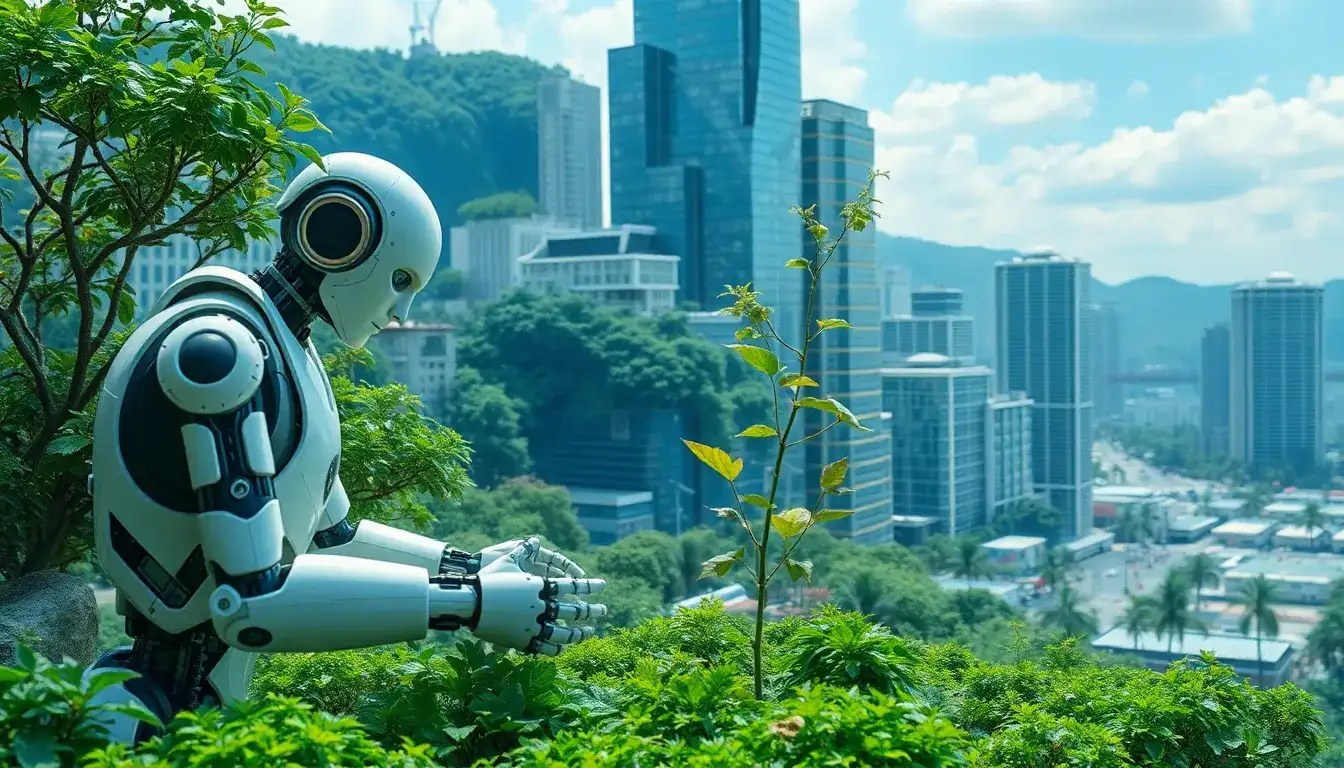
The humanoid robot concept witnessed a significant surge on May 15, 2026. Notably, Suocheng Technology and Newway CNC both saw their stock prices rise by over 15%, while Green Harmonics reached a new high with an increase of over 12%. Additionally, companies like Leisai Intelligent, Xinjie Electric, Daye Co., and Julun Intelligent hit their daily trading limits.
This uptick coincides with an announcement from Tesla, which revealed that its third-generation humanoid robot is expected to debut mid-year, with production slated to begin in July or August. Furthermore, Tesla plans to initiate preparations for its first mass production line for humanoid robots in the second quarter of this year, aiming for an annual output of 1 million units from the first-generation production line. The company is also setting up a second-generation production line at its Texas Gigafactory to achieve a long-term goal of 10 million units per year.
Market analysts indicate that the increasing investment and interest in the domestic humanoid robot sector, combined with Tesla’s impending production timeline, may lead to a confirmation of orders from both domestic and international humanoid robot manufacturers. Wanlian Securities noted that the humanoid robot industry is on the brink of transitioning from technological breakthroughs to large-scale commercialization. On the supply side, Tesla, Yushu Technology, ZhiYuan Robotics, and UBTECH are steadily advancing their production schedules. On the demand side, the aging population and rising labor costs create a sustained drive for this sector. Additionally, with policy support and capital investment, AI advancements continue to breathe life into robots, suggesting that humanoid robots may evolve into a burgeoning industry, moving from B2B to B2C markets, with substantial future market potential.
Wang Zhijia edited the piece, and Tao Qian proofread it. The content mentioned is for reference only and should not be construed as substantial investment advice. Investors should exercise caution and take responsibility for their investment decisions.
In related developments, as humanoid robots achieve stable mobility, the next critical aspect influencing their commercial viability is the development of dexterous hands capable of precise manipulation and genuine sensory feedback. The domestic dexterous hand industry is now at a pivotal point of scalable growth, marked by surging sales, capacity expansion among leading firms, increased integration of tactile sensors, and ongoing cost reductions. The evolution from basic gripping capabilities to enhanced sensory functions is empowering the intelligent advancement of robotic “brains,” thereby defining their practical application potential.
On May 13, Xino Future, a general-purpose dexterous hand company, unveiled its second-generation dexterous hand, the Flex 2. Meanwhile, on May 11, Wuji Technology released a video showcasing its latest dexterous hand product, the Wuji Hand 2. These dexterous hand products are evolving to become more flexible and refined.
Junwei Electronics announced on May 14 that it currently has no direct partnerships with humanoid robot companies. However, its products theoretically apply to current detection and overcurrent protection functions within related sectors.
Wanliyang disclosed on May 14 that its harmonic reducers and other products are widely applicable to humanoid robots, industrial robots, collaborative robots, and quadrupedal robots. The company is conducting client trials and actively pursuing mass production collaborations while seeking new clients.
Inli Co. reported on May 14 that its magnesium-aluminum alloy structural components for humanoid robots are in the sampling phase. Currently, there are no revenues or profits from this project, but discussions for potential collaborations are underway.
Xian Dao Intelligent signed a strategic cooperation agreement with the Beijing Humanoid Robot Innovation Center on May 13. The partnership aims to facilitate the transition of humanoid robots from laboratory settings to large-scale industrial production lines.
In an interview, Wang Chuang, President of ZhiYuan Robotics, predicted that the “ChatGPT moment” for humanoid robots could occur around 2026 or 2027. He emphasized that while previous robotic capabilities were limited to basic movement, the current market demands true functionality. He categorized this “working capability” into two types: providing emotional value, such as in retail guidance, and delivering labor value, like performing precision tasks on factory assembly lines. In just three years since its founding, ZhiYuan Robotics has achieved remarkable commercial success, with revenues surpassing 1.05 billion yuan in 2025, making it the fastest robot company in China to reach 1 billion yuan in revenue.
Comments from users are welcome after logging in. Please note that user comments reflect personal opinions and do not represent the stance of the Securities Times.
Original article by NenPower, If reposted, please credit the source: https://nenpower.com/blog/surge-in-humanoid-robot-concept-drives-green-harmony-to-new-heights-as-sochun-technology-and-others-soar/

