

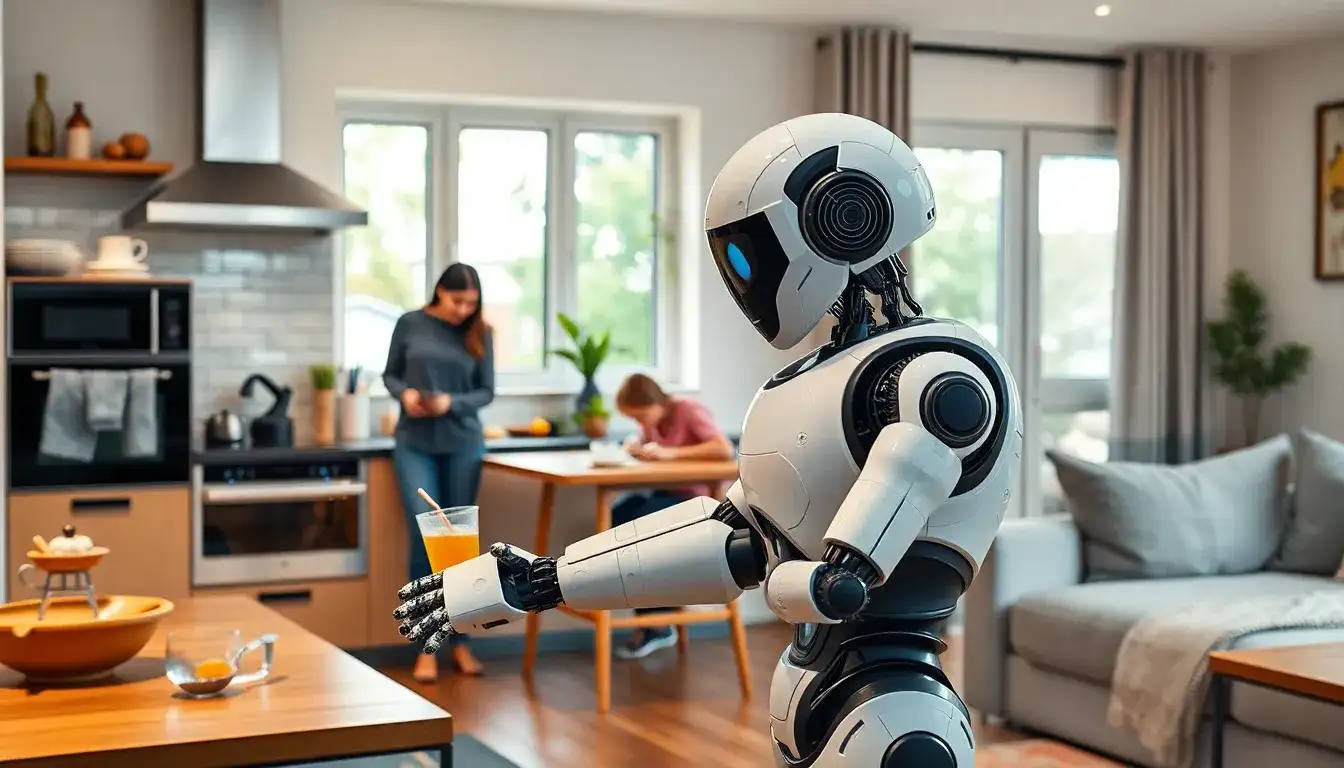
Humanoid robots are gradually becoming a household presence, but which regions are facing challenges in their adoption? As of May 14, 2026, the capabilities of humanoid robots have significantly advanced, yet their integration into everyday life remains complex.
Currently, humanoid robots are equipped with impressive levels of mobility and control. However, there still exists a significant gap in understanding, dexterous manipulation, and environmental adaptability compared to market demands. While these robots can navigate environments with considerable proficiency, they encounter technological hurdles and market competition that can hinder their acceptance.
Despite these challenges, humanoid robots are showing remarkable progression towards becoming viable household companions. Their development has evolved from “industrial robots” to “home-use appliances” since the term “robot” was coined in 1921. Though the path towards widespread household integration is lengthy, each step taken is a move towards the future.
As technology, capabilities, data, and safety issues are progressively addressed, the demand for advanced humanoid robots is expected to increase. The current focus is on how these robots can efficiently assist households and integrate seamlessly into daily routines.
Nevertheless, there are concerns about their safety and functionality in domestic settings. A significant challenge lies in ensuring that humanoid robots can operate without posing risks to human occupants. The need for robust safety protocols and efficient interaction mechanisms remains paramount as these robots evolve.
Experts in the field indicate that humanoid robots will undergo three main phases of development. The first phase will focus on industrial and commercial applications, emphasizing safety and regulatory compliance. The second phase will explore consumer acceptance and adaptability in home environments. Finally, the third phase will involve refining humanoid robots for seamless everyday use.
As these developments unfold, the potential for humanoid robots to become indispensable in households is significant. Innovations in artificial intelligence and robotics are expected to enhance their capabilities, making them not just tools but integral parts of family life.
Overall, while humanoid robots are advancing, they still face numerous obstacles on the path to becoming commonplace in homes. Their journey reflects a blend of technological progress and the evolving needs of consumers, suggesting a future where they may become as ubiquitous as smartphones.
In conclusion, humanoid robots are on the cusp of transforming household dynamics, but significant work remains to ensure they can safely and effectively integrate into everyday life.
Original article by NenPower, If reposted, please credit the source: https://nenpower.com/blog/challenges-facing-humanoid-robots-in-home-environments-and-their-future-prospects/

