

How can the “Core Technology” of Autonomous Robots be Strengthened?
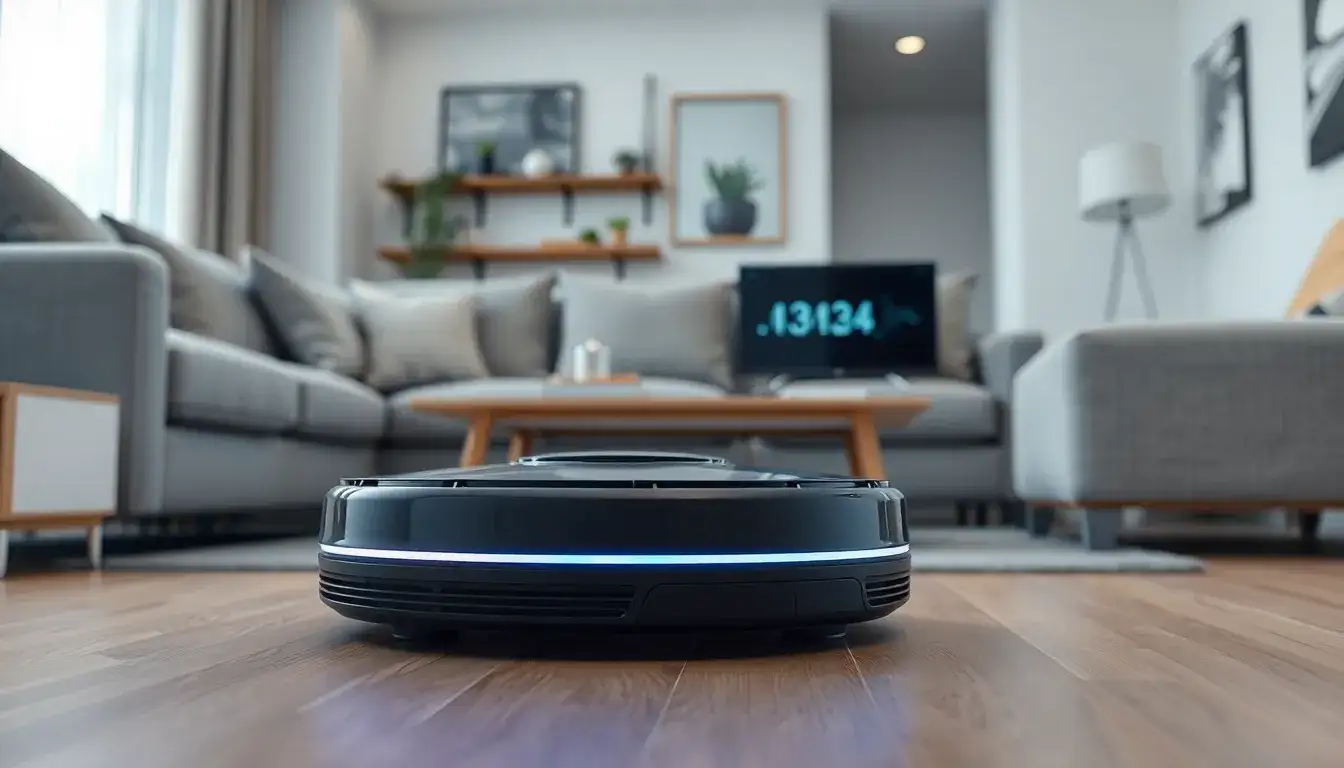
On May 3, 2026, at 11:10:15, a significant development occurred in the field of autonomous robots. During a demonstration in a tech office, a handheld device was activated to showcase the capabilities of a new autonomous ground vehicle. This vehicle was equipped with advanced sensors and automation technology, allowing it to navigate effortlessly through an environment, avoiding obstacles and ensuring safety.
This type of scenario has increasingly become commonplace in many households across China. In recent years, the demand for autonomous robots has surged, fueled by the rise of “smart home” ecosystems that integrate various devices for efficiency and convenience.
With advancements in electric batteries, the fundamental characteristics of these robots have improved significantly. As a type of intelligent equipment, electric batteries exhibit stability, continuous operational capability, and safety, which are crucial for modern autonomous living solutions.
The latest developments in the autonomous vehicle sector, particularly in the field of energy resources, have shown remarkable potential. For instance, by the first quarter of 2026, electric battery production is expected to reach approximately 2.5 billion units, reflecting a growth of over 50% compared to previous years.
The electric battery cells, which serve as the core of these intelligent devices, have been designed to enhance power efficiency and safety. These advancements are leading to a stronger integration of smart technologies into everyday life.
As electric vehicle technology continues to evolve, the push for lighter and more efficient battery systems is paramount. The new generation of soft batteries is expected to support diverse applications, allowing for better adaptability in various environments.
Looking ahead, the demand for autonomous robots is expected to grow, driven by the need for innovative solutions in both residential and commercial sectors. The integration of electric batteries into autonomous systems will play a pivotal role in meeting these demands.
In conclusion, as we move toward a future where intelligent devices become more prevalent, the focus will remain on optimizing the core technologies that drive these advancements. The autonomous vehicles of tomorrow will rely heavily on enhanced electric battery technologies to ensure efficiency, safety, and sustainability in their operations.
Original article by NenPower, If reposted, please credit the source: https://nenpower.com/blog/revolutionizing-smart-living-enhancing-shape-memory-technology-in-autonomous-vacuum-cleaners/

