

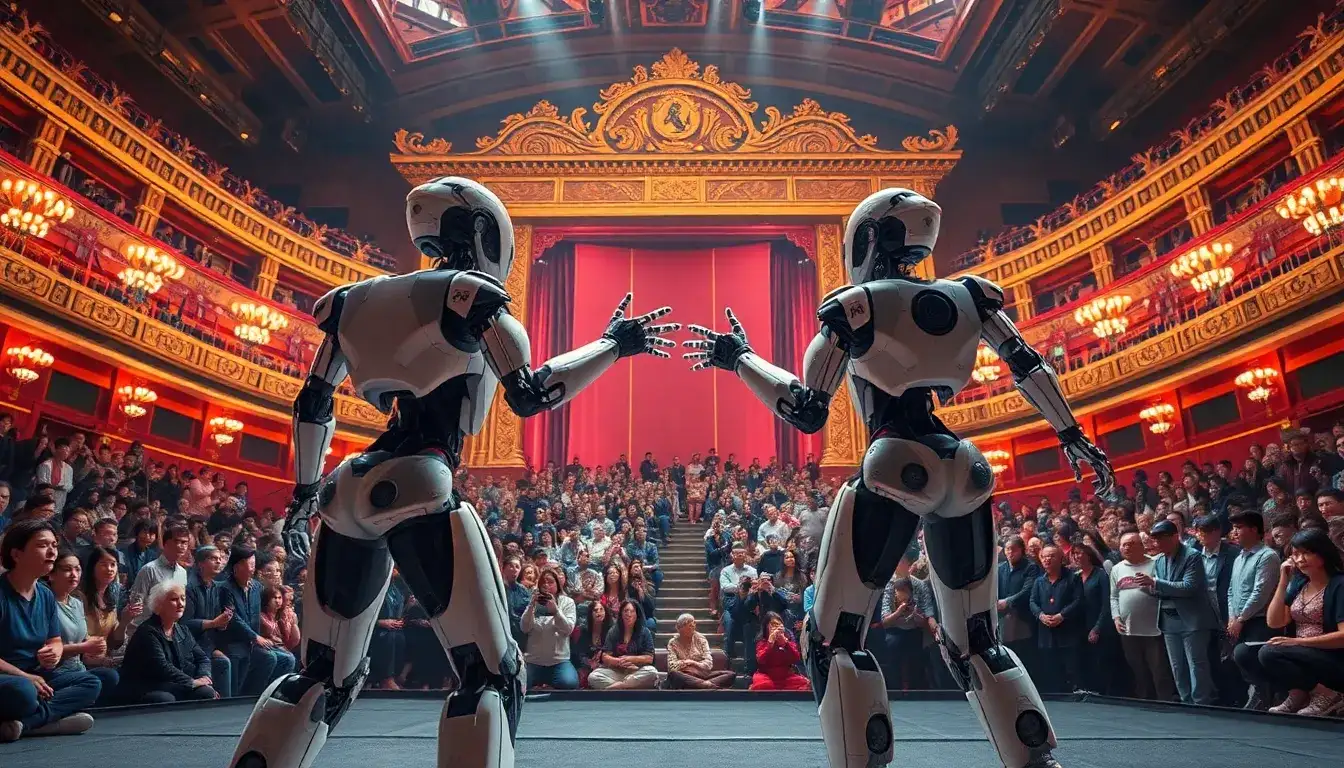
Humanoid robots have made headlines recently with their presence at the Shanghai Grand Theatre. However, they still face challenges when it comes to large-scale deployment. On May 3, 2026, at 22:32, a report was released indicating that humanoid robots are struggling to achieve widespread adoption. The article highlights that humanoid robots, particularly the A3 model, are gaining traction in China, but their growth is hampered by various limitations.
During a recent performance at the Shanghai Grand Theatre, the humanoid robot A3 showcased its capabilities. The event featured a mix of classic pieces, including The Nutcracker and the iconic 1812 Overture. The performance represented a significant milestone for the humanoid robotics industry, aiming to establish a presence in the cultural sector. However, despite advancements, the technology has not yet reached maturity, and the production volume remains limited, with expectations for this year being less than 100,000 units.
The humanoid robot industry is primarily focused on applications in entertainment, education, and healthcare. The Shanghai Grand Theatre’s event served as a demonstration of the potential for humanoid robots to enter various sectors, including live performances. As a leading venue in China’s cultural scene, the theatre’s choice to debut humanoid robots signifies their growing relevance.
According to estimates, the humanoid robot market could see substantial growth by 2025, reaching approximately 1.97 million units and generating revenue of around 18.07 billion yuan. The increasing demand for humanoid robots aligns with China’s ambitions to enhance its technological capabilities and expand its market presence.
Moreover, the sector is set to benefit from advancements in artificial intelligence and automation technologies. The integration of AI with humanoid robots is expected to drive efficiency and broaden their applications. However, there are still concerns regarding the limitations of current technology, which may hinder the rapid scaling of production.
As the market evolves, industry leaders are optimistic about the future of humanoid robots. They anticipate that by 2030, the market may reach a scale comparable to that of automobiles. The adoption of humanoid robots in households is also on the rise, with projections indicating a gradual transition towards more integrated domestic applications.
Despite the challenges, the potential for humanoid robots in various industries remains promising. The willingness of companies to invest in humanoid robotics indicates a strong belief in their future viability. As the technology matures, the market may witness a surge in demand, leading to increased production and innovation.
In conclusion, while humanoid robots continue to face hurdles in large-scale deployment, their integration into cultural events and various industries suggests a bright future ahead. As technology advances and consumer acceptance grows, the humanoid robot market is poised for significant transformation.
Original article by NenPower, If reposted, please credit the source: https://nenpower.com/blog/humanoid-robots-take-center-stage-at-shanghai-grand-theatre-amid-struggles-with-large-scale-adoption/

