

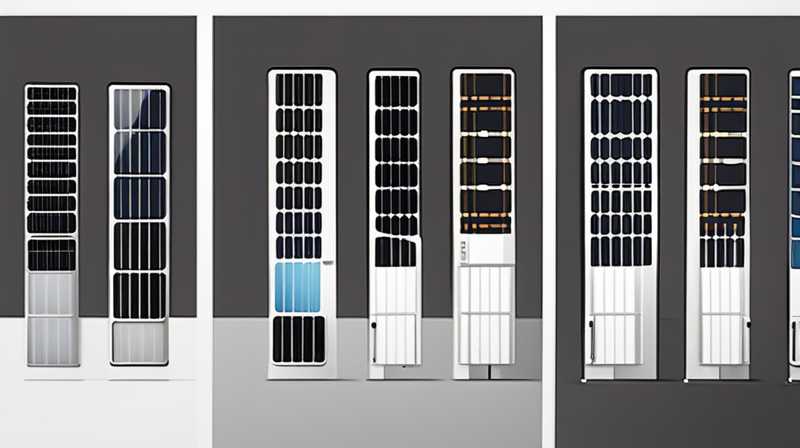
What are the specifications of simple solar panels?
1. Simple solar panels typically consist of photovoltaic (PV) cells, which convert sunlight into electricity. 2. They are available in various sizes, with Wattage ratings generally ranging from 100W to 400W. 3. The efficiency of simple solar panels usually falls between 15% to 20%, meaning they can convert that percentage of sunlight into electrical energy. 4. The most common materials used in manufacturing these panels are monocrystalline, polycrystalline, and thin-film technologies. To elaborate, the power output of a solar panel, measured in Watts, is critical since it directly impacts how much electricity the system can generate based on available sunlight. For instance, a 300W panel will produce more energy than a 100W panel given the same sunlight conditions. Additionally, varying efficiencies in different types of panels determine how well they perform in less-than-optimal conditions, influencing both installation decisions and long-term savings.
1. TYPES OF SOLAR PANELS
Solar technology predominantly consists of three types of panels: monocrystalline, polycrystalline, and thin-film. Monocrystalline panels, characterized by their uniform color and higher efficiency rates, possess the capability to generate more power due to their higher purity silicon. Their efficiency generally ranges from 15% to 22%, making them ideal for situations where space is at a premium. In urban environments or on rooftops where installation space is limited, these panels could yield more energy per square foot than their counterparts.
On the other hand, polycrystalline panels, identifiable by their speckled blue hue and slightly lower production efficiency, are made from multiple silicon crystals. They typically exhibit efficiency ratings between 13% and 17%, making them less costly to produce, which can lead to savings for consumers. While they require more space to achieve the same energy output as monocrystalline panels, they remain an alluring option for homeowners eager to invest in solar energy without breaking the bank.
Thin-film panels represent the most recent advancements in solar technology, offering flexibility and a lower weight compared to crystalline technologies. Comprised of a range of materials, including cadmium telluride (CdTe) and amorphous silicon (a-Si), these panels typically possess lower efficiency ratings, typically between 10% and 13%. However, their design accommodates different applications, such as integrating directly into building materials or portable solar solutions.
2. EFFICIENCY RATINGS
The efficiency of a solar panel signifies how effectively it can convert sunlight into usable electricity. This metric not only impacts the overall output but also the financial return on investment for a solar installation. Generally, higher efficiency panels can harness electricity more effectively even under less-than-ideal conditions. This leads directly to energy savings over time and maximizes the potential uses of limited space.
Efficiency ratings also vary with technological advancements. Monocrystalline panels, often lauded for their efficiency, are a fitting choice for urban settings where space constraints exist. Their ability to convert sunlight into energy at a higher rate can result in shorter payback periods, which makes them attractive for time-sensitive investments. Conversely, while polycrystalline panels may offer lower efficiency, their cost-effectiveness can appeal to those interested in larger installations where adequate space is available to offset the diminished power output.
Thin-film technology, while less efficient, boasts advantages in terms of flexibility and weight, enabling creative installation solutions that can be advantageous when retrofitting existing structures. Furthermore, thin-film panels excel in low-light conditions and high-temperature environments, which can otherwise hamper the performance of crystalline panels.
3. POWER OUTPUT AND RATING
Solar panels come with power output ratings indicated in Watts, which reflect their ability to perform under standard testing conditions (STC). Power output typically varies between 100W and 400W, depending largely on the type and size of the panel. Understanding power output helps consumers and installers evaluate which panels best fit their energy needs. For instance, a household requiring 1,200kWh per month may need a different configuration than a small business consuming significantly more energy.
Additionally, power output calculations also consider factors such as shading, orientation, and tilt angle of the panels. A panel rated at 300W might only achieve that output if it receives sufficient sunlight throughout the day. Increased shading from structural objects or suboptimal angles could lessen the output considerably. Hence, effective installation plays a crucial role in maximizing the output of solar energy systems.
Installation considerations also extend to inverter specifications, as they must match the power output rating of the solar panel configuration to ensure efficient energy conversion. Selecting an appropriate inverter involves evaluating its peak power rating, which ideally should be slightly higher than the total output of all panels in the system. This coordination facilitates optimal functionality and energy production.
4. MATERIALS USED IN SOLAR PANELS
The choice of material in solar panel production significantly impacts efficiency, cost, and overall performance. Monocrystalline panels employ high-purity silicon, which allows for more efficient electron movement, thus creating higher power output ratios. These panels feature a single crystal structure, allowing electrons to flow more freely, contributing to their superior performance in various environmental conditions.
Conversely, polycrystalline panels are made from multiple silicon crystals, which tend to result in lower efficiency due to the junction barriers created by crystal boundaries. However, they are considerably less expensive to manufacture, which makes them appealing for large-scale installations or budget-conscious consumers. Despite the lower efficiency, their ability to perform adequately in moderate sunlight conditions can offset their drawbacks.
Thin-film technology utilizes a diverse range of materials, such as cadmium telluride or organic photovoltaic cells. The versatility of thin-film panels allows for applications beyond standard installations; they can be integrated into building materials and even consumer electronics. Their adaptability permits installation in scenarios where traditional panels may not provide an effective solution.
5. COST CONSIDERATIONS
When considering solar panels, it is imperative to analyze the financial implications of different options. Average costs vary significantly based on panel type, system size, and location. The initial investment requires careful examination of efficiency ratings, potential energy production, and financing options. While monocrystalline panels may have a higher up-front cost, their efficiency often leads to greater long-term savings. Conversely, polycrystalline panels provide budget-friendly alternatives with decent electricity output.
In addition to purchasing solar panels, one must also consider installation costs, which can vary based on location, complexity, and labor rates. Homeowners should evaluate available tax incentives or rebates that may offset significant portions of the installation investment. Researching local programs can reveal financial assistance that makes transitioning to solar energy more accessible.
As the technology continues to evolve, prices are expected to decrease while efficiency improves. This trend underscores the importance of understanding individual energy consumption patterns and local incentives to ensure that the investment in solar panels yields a favorable return.
6. ENVIRONMENTAL IMPACT
The shift toward solar energy engenders substantial environmental benefits by decreasing reliance on fossil fuels and contributing to lower greenhouse gas emissions. Each kilowatt-hour of solar energy produced equates to a reduction in harmful emissions that contribute to climate change. Solar panels operate cleanly by harnessing sunlight, providing a sustainable alternative to conventional energy sources.
Moreover, advancements in solar panel technologies are leading to more recycled and eco-friendly production processes. Manufacturers are increasingly focused on reducing waste and repurposing materials used in solar panel production. Following a lifespan of approximately 25-30 years, many panels can be disassembled and recycled, significantly lowering their environmental footprint.
Solar energy also encourages energy independence on individual and community levels. By generating local energy, communities can cultivate sustainable consumption patterns and minimize reliance on external resources. Such developments empower consumers and contribute to global efforts aimed at combating climate change challenges.
FAQs
WHAT ARE THE MAIN TYPES OF SOLAR PANELS?
There are primarily three main types of solar panels: monocrystalline, polycrystalline, and thin-film. Monocrystalline panels consist of high-purity silicon and offer high efficiency, usually ranging from 15% to 22%. They are recognized for their long lifespan and aesthetic appeal but come at a higher price. Polycrystalline panels, made from multiple silicon crystals, are slightly less efficient, typically falling between 13% to 17%, yet provide a more affordable option for large installations. Finally, thin-film panels, which include materials like cadmium telluride and amorphous silicon, have lower efficiency (10% to 13%) but are flexible and lightweight, allowing for unique installation opportunities. Understanding the different types can inform consumers about which panel technology best suits their energy needs and budget.
HOW DOES SOLAR PANEL EFFICIENCY AFFECT PERFORMANCE?
Solar panel efficiency is a crucial factor that influences the overall energy output of a solar system. Generally expressed as a percentage, efficiency indicates the portion of sunlight that a panel can convert into usable electricity. Higher efficiency ratings suggest that a panel can generate more energy in a smaller space—an important consideration for individuals with limited installation areas. Conversely, panels with lower efficiency may provide lower output, requiring more panels to meet energy demands. This ultimately affects total installation costs and available roof space. Moreover, effective energy production depends on factors such as orientation, shading, and local climate conditions, which collectively impact the performance of solar panels. Therefore, understanding efficiency enables consumers to make informed decisions regarding solar investments.
WHAT FACTORS SHOULD I CONSIDER WHEN PURCHASING SOLAR PANELS?
When contemplating the acquisition of solar panels, several critical aspects warrant consideration. Evaluating the type of solar panel technology serves as the foundation for making informed decisions. Each variety—monocrystalline, polycrystalline, and thin-film—exhibits distinct performance and cost characteristics. Additionally, assessing specific energy needs based on household consumption will help determine the required panel capacity. Financial factors, including installation costs, available incentives or rebates, and long-term savings, should also be meticulously analyzed. Furthermore, considering the reliability of the manufacturer, warranty coverage, and customer reviews can significantly impact satisfaction and performance longevity. By examining these details comprehensively, consumers can better align their solar panel choices with both personal preferences and energy goals.
In summary, the specifications of simple solar panels include their types, efficiency ratings, power output, materials used, costs, and environmental impact. Each element plays a crucial role in determining the energy solutions that work best for specific situations, ensuring that investments in solar technology align with individual energy goals and sustainability ambitions. By understanding these fundamental characteristics, consumers are better equipped to make informed decisions and actively participate in the transition to renewable energy. Ultimately, a thorough grasp of these specifications enhances the capacity to recognize both the immediate benefits of solar energy as well as its broader implications for the environment and future energy landscapes.
Original article by NenPower, If reposted, please credit the source: https://nenpower.com/blog/what-are-the-specifications-of-simple-solar-panels/

