

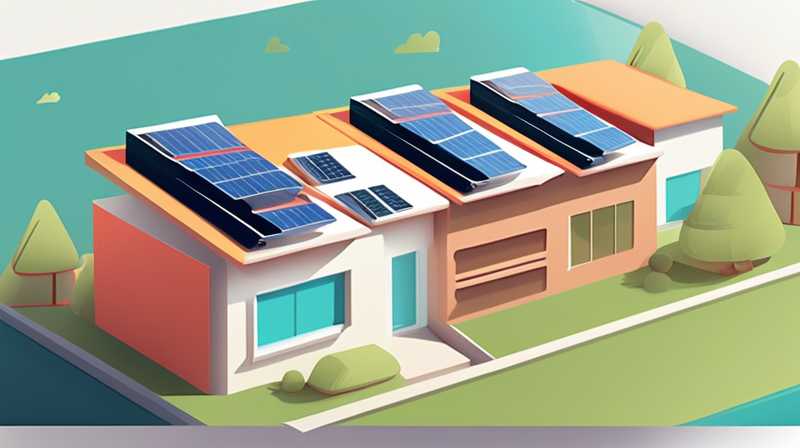
The dimensions of rooftop solar panels can vary based on different factors including manufacturer specifications, panel technology, and energy requirements. 1. Standard dimensions range from 60 to 72 cells, 2. Most common size for residential installations is about 65 inches by 39 inches, 3. Panel area generally measures between 15 to 20 square feet, 4. Solar panel weight typically varies between 40 to 50 pounds. A detailed consideration of the size is crucial as it influences the energy output and installation process.
Different types of solar panels have specific dimensions that cater to various energy production needs. For example, a typical 60-cell solar panel presents a size suited for standard residential roofs, striking a balance between area and power efficiency. On the other hand, larger panels with 72 cells can generate more electricity, making them ideal for larger rooftops or commercial applications. Understanding these dimensions allows users to optimize solar energy systems effectively.
1. DIMENSIONS OF SOLAR PANELS
Solar panels come in various dimensions, and understanding these is critical in selecting the right system for your energy needs. The most typical sizes for solar panels are dictated by their cell configuration, which may include 60, 72, or even 96 cells. The common standard size for a residential solar panel being roughly 65 inches in height and 39 inches in width, is crucial to recognize for effective installation planning on rooftops.
Panels designed for residential use often fall within a nominal range of 60-cell configurations. These measurements are conducive to making efficient use of available roof space while yielding adequate power for an average home. Larger commercial installations may leverage 72-cell panels, allowing for a higher energy output per panel. The overall area taken up by solar panels can significantly affect their energy productivity and the efficiency of the roof’s solar energy system.
2. TYPES OF SOLAR PANELS AND THEIR SIZES
Various types of solar panels are available on the market today, and each type exhibits unique dimensions along with its own advantages and disadvantages. Monocrystalline, polycrystalline, and thin-film solar panels represent the three main categories. Monocrystalline panels are often regarded as the most efficient and have a higher power output per square foot due to their manufacturing process, which allows for more cells packed closely together.
Monocrystalline panels typically measure around 65 by 39 inches for the standard 60-cell configurations, while polycrystalline panels might have similar dimensions but often offer lower efficiencies. Thin-film panels, conversely, are significantly less efficient per square foot and tend to be larger in size to equal the output of the crystalline alternatives. Additionally, the thickness and flexibility of thin-film panels enable a different approach in installations, often used in non-traditional mounting scenarios, highlighting the importance of understanding sizing in terms of both physical space and energy requirements.
3. FACTORS AFFECTING DIMENSIONS
Several crucial considerations can influence the dimensions of solar panels beyond the standard offerings. Firstly, the efficiency of the solar technology employed plays a significant role in determining the physical size of the panel. Higher efficiency panels produce more electricity from less area, corresponding to smaller footprint requirements while maximizing output.
Secondly, geographical considerations and mounting preferences dictate panel sizes as well. Roof types vary significantly across regions, and so do energy requirements dictated by local climates. An area with limited sunlight may require additional panels, potentially leading to different dynamic configurations, while a region with abundant sunlight may benefit from fewer, more efficient panels. It’s essential to evaluate the location and the intended installation for optimal panel sizing and energy output.
4. INSTALLATION CONSIDERATIONS
When planning to install solar panels, the dimensions play a pivotal role in the overall process and subsequent performance of the solar energy system. Ensuring that the chosen solar panels fit properly on the rooftop without any obstructions is critical. Adequate mounting systems and space alignment must be considered during the design phase to prevent any unnecessary shading issues that could compromise the panels’ efficiency.
Moreover, installation also dictates that panels must adhere to local building codes and regulations, which may impose specific limits on the maximum size allowed for rooftop installations. With various roof shapes and angles, the orientation of panels becomes paramount in determining how much sunlight they can capture throughout the year. A well-planned installation takes dimensional considerations into account alongside regional regulations and landscape, ensuring that solar panels are not only effective but also aesthetically pleasing as part of the home’s exterior.
5. MAINTENANCE AND DIMENSIONAL ADVANTAGES
In addition to installation, the dimensions of solar panels correlate with maintenance approaches. Larger panels may require specialized techniques for cleaning and upkeep, depending on their mounting structure. Smaller panels, however, may offer less complex maintenance due to their manageable size and accessibility.
Furthermore, the way panels are dimensioned can affect how debris, such as leaves or snow, accumulates on them. For example, panels with a larger surface area could attract more debris if improperly positioned, requiring more frequent cleaning for optimal performance. On the contrary, dimensions that encourage effective draining and runoff can contribute significantly to maintenance ease. The advantage of selecting the right size not only encompasses energy efficiency but also the long-term viability of solar investments.
FAQs
WHAT ARE THE COMMON SIZES OF ROOFTOP SOLAR PANELS?
The commonly available rooftop solar panels typically fall into two standard configurations: 60-cell and 72-cell panels. The 60-cell variety generally has a dimension of approximately 65 inches by 39 inches, suitable for most residential installations. In contrast, 72-cell panels, which are often utilized for commercial applications, may range around 77 inches in height and 39 inches in width. It is essential to choose the right type based on available space and energy requirements. Additionally, advancements in technology have allowed for variations in size, including smaller or larger custom solutions to accommodate unique installations and maximizing efficiency.
HOW DO DIMENSIONS AFFECT SOLAR PANEL PERFORMANCE?
The dimensions of solar panels significantly influence their performance by directly affecting their energy production capabilities. Generally, larger panels that incorporate more cells can produce more electricity. For example, a 72-cell panel typically yields higher power output compared to a 60-cell panel, primarily by capturing more sunlight. However, the efficiency of the solar cells themselves is also pivotal. Designing and manufacturing with high-quality cells can maximize the energy conversion process, allowing for smaller panels to produce similar outputs to larger ones. Ultimately, both size and efficiency must correspond to each installation’s unique requirements.
CAN I INSTALL SOLAR PANELS OF DIFFERENT SIZES ON MY ROOF?
While it is feasible to install solar panels of different sizes on a single rooftop, it is best approached with caution and planning. Diverse sizes could lead to uneven energy production from each panel, potentially reducing the overall efficiency of the system. Mismatched panels may perform at different rates due to variability in their output capabilities, leading to a more complex wiring system which can affect performance. Therefore, carefully considering your energy requirements and consulting with a professional installer when planning a mixed-panel system will ensure smooth functionality and compatibility in the overall energy solution.
In summary, the understanding of rooftop solar panel dimensions opens the door to optimized energy solutions and installation strategies. Influencing factors such as efficiency, space restrictions, and regulations highlight the complexity of decisions that homeowners and business owners face. Solid knowledge of dimensions can lead to improved performance and seamless installation, making it an essential consideration. Consequently, prioritizing suitable sizes and configurations is imperative for achieving successful solar energy outcomes in any given environment. As technology advances, continuous adaptations to size specifications become crucial to ensure that solar energy remains a leading source of renewable power.
Original article by NenPower, If reposted, please credit the source: https://nenpower.com/blog/what-are-the-dimensions-of-rooftop-solar-panels/

