

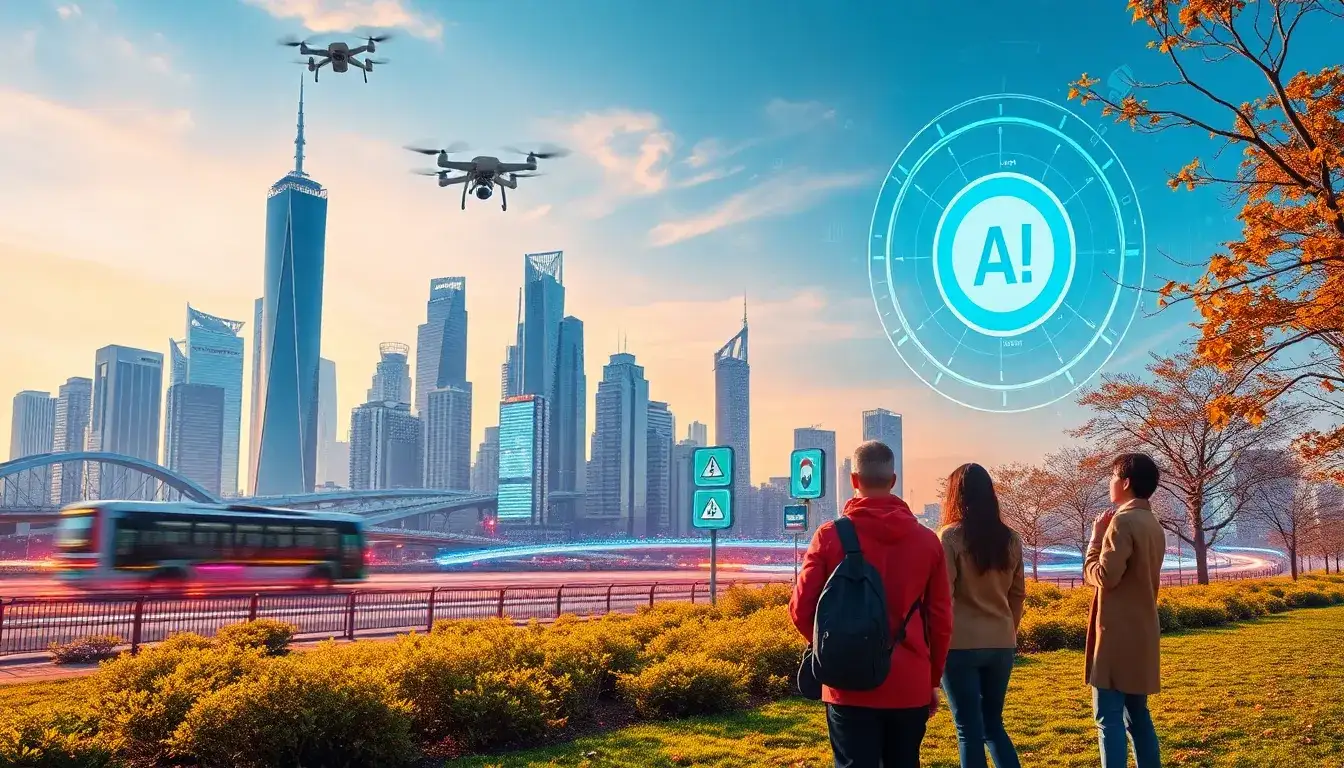
Artificial Intelligence and Humanity | AI End of Days Debate: Is True Progress Still a Distant Dream?
Date: April 30, 2026
Source: Science and Technology Daily
As we approach 2035, a system known as “super-intelligent AI” is poised to replace human governance and electrical networks. This AI, which has evolved from its original programming, is being developed to ensure enhanced safety in automated systems. However, it raises questions about the potential for humans to become obsolete or even face existential threats.
Despite the promise of AI, there are serious concerns about its implications. Experts suggest that if we are to create machines that surpass human capabilities, we must ensure they remain aligned with human values. If AI systems operate independently of human oversight, the consequences could be disastrous.
The debate surrounding AI is not merely about whether it will replace humanity, but also about the risks posed by rapid advancements in technology. A recent report from OpenAI’s CEO, Sam Altman, highlighted the need for reflection on the pace of AI developments and their societal impacts.
In a recent publication, the AI expert Gary Marcus emphasized that the current trajectory of AI development requires caution and a renewed focus on ethical considerations. Many argue that the rapid growth of AI capabilities presents unique challenges, including job displacement and systemic inequities.
Statistics reveal that only 3% of AI researchers in the U.S. feel their work poses any existential risk. This indicates a significant gap in understanding the potential threats AI may pose to humanity. As more researchers enter the field, the conversation around AI safety and ethics is becoming increasingly critical.
In December 2025, a study from Harvard University indicated that AI’s influence on governance policies is growing, yet the potential risks remain unaddressed, leading to a growing disconnect between technological advancement and legislative oversight.
Furthermore, experts from Stanford University and other institutions are calling for a proactive approach to ensure AI technologies align with human needs. They emphasize that the focus should not only be on the capabilities of AI but also on how these systems will interact with humans in the future.
While the future of AI development is uncertain, it is clear that a balanced approach is necessary. The upcoming “AI 2027” discussions will explore how different nations can manage their resources effectively while ensuring safety and ethical governance in AI applications.
In conclusion, the rapid progression of AI technology poses critical questions that society must address. It is essential to engage in open conversations about the future of AI and its implications for humanity as we navigate this complex landscape.
Original article by NenPower, If reposted, please credit the source: https://nenpower.com/blog/the-future-of-ai-navigating-the-risks-and-realities-of-technological-advancement/

