

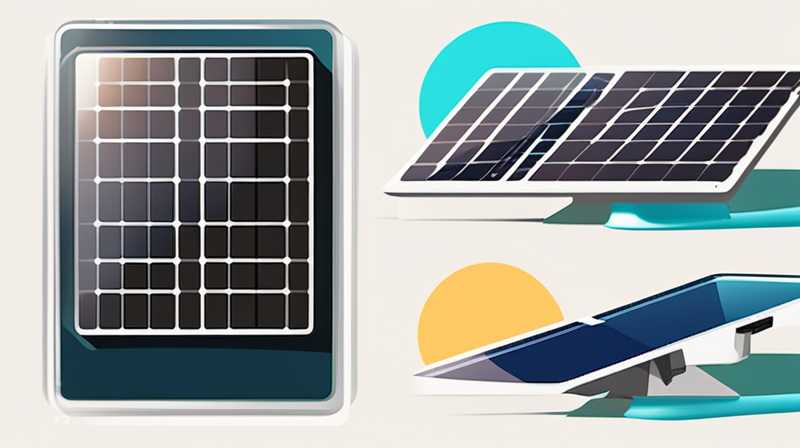
To create an effective solar panel mounting system at home, follow these essential guidelines: 1. Choose a suitable location, 2. Select reliable materials, 3. Ensure stability and security, 4. Follow installation principles meticulously. The most paramount consideration is location; the ideal site should receive maximum sunlight exposure throughout the day. A well-placed mounting system can vastly increase the efficiency of the solar panels, contributing significantly to energy generation. Choosing an optimal position can, therefore, influence the entire purpose of installing solar energy solutions.
1. INTRODUCTION TO SOLAR PANEL MOUNTS
Creating your own solar panel mount requires a thoughtful approach that considers various factors, such as location, materials, and structural integrity. The importance of designing an effective mounting system cannot be overstated, as it ensures that solar panels maintain a fixed position to capture sunlight efficiently throughout the day. A well-designed mount is crucial for achieving optimal solar gain and protecting the panels from wind, rain, and other environmental factors.
In recent years, there has been a significant increase in the adoption of solar energy systems, driven by the urgency of transitioning to renewable energy sources. As more individuals seek to harness solar power, many are exploring the possibility of constructing their own mounting solutions. The appeal lies not only in the potential to save on installation costs but also in the opportunity to customize the system according to specific needs and available space.
2. CHOOSING A SUITABLE LOCATION
When embarking on the journey of building your own solar panel mount, the location is critical to the success of the system. Ideally, the mount should be placed in an area that receives prolonged sunlight exposure throughout the day, free from obstructions such as trees or tall buildings. This strategic positioning is vital for maximizing the solar panels’ energy production.
Another aspect to consider when selecting the location is the angle of the roof or ground where the solar panels will be installed. The angle can affect the efficiency of solar energy absorption, with more vertical angles often yielding better results in certain geographic locations. Additionally, areas prone to excessive wind or snow accumulation require additional consideration; these factors might necessitate a more robust mounting structure to prevent damage or displacement.
3. SELECTING RELIABLE MATERIALS
Once the location is determined, the next step involves choosing suitable materials for constructing the mount. It is essential to select durable, weather-resistant materials that can withstand environmental stresses over time. Common choices include galvanized steel, aluminum, and treated wood—each with its own set of advantages and disadvantages.
Galvanized steel boasts high strength, making it a popular choice for mounting structures, as it resists rust and corrosion effectively. On the other hand, aluminum is lightweight, making installation easier and providing excellent resistance against the elements. Treated wood offers a rustic aesthetic while providing good structural support, though it may require more maintenance as it is more susceptible to weather-related deterioration.
4. ENSURING STABILITY AND SECURITY
Stability is paramount when constructing a solar panel mount. The design must accommodate factors such as wind load, weight distribution, and potential seismic activity. Implementing a solid foundation is crucial to keep the system secure, particularly in areas prone to high winds.
When building the mount, utilizing concrete footings or anchors provides additional support and prevents movement. Connecting the solar panels to the mounting system securely will minimize the risk of loosening due to vibrations or gusts of wind. Properly bolted joints and reinforced connections further enhance the stability and lifespan of the installation.
5. FOLLOWING INSTALLATION PRINCIPLES
Proper adherence to installation principles plays a vital role in ensuring functionality and longevity. It is essential to follow manufacturer guidelines regarding the number of panels per mount and the spacing required to allow for airflow and maintenance. Conducting a structural analysis of the mounting design is also advisable to confirm its ability to withstand local weather conditions.
Employing techniques such as making provisions for drainage can significantly enhance the mount’s durability. Water pooling can lead to rust or rot, depending on the materials used. Thus, integrating slight slopes or drainage channels aids in prolonging the lifespan of the mount while ensuring the safety and efficiency of the solar panel setup.
FAQs
WHAT TYPE OF MATERIALS ARE BEST FOR BUILDING A SOLAR PANEL MOUNT?
The selection of materials is pivotal in constructing an effective solar panel mount. Generally, galvanized steel, aluminum, and treated wood are reliable choices. Galvanized steel provides excellent rust resistance and sturdiness, making it ideal for long-term outdoor use. Aluminum is lightweight and resists corrosion, which simplifies the installation process. Treated wood offers an aesthetically pleasing alternative but can be more susceptible to wear caused by environmental factors. When selecting materials, consider the climate in your area and the structural demands of your installation. Additionally, using quality fasteners and securing joints will significantly enhance the longevity of your solar panel mount.
HOW DO I PROPERLY INSTALL A SOLAR PANEL MOUNT?
The installation of a solar panel mount involves several key steps. Initially, ensure that you have accurately measured the desired location, confirming that it receives adequate sunlight exposure. After selecting your materials and constructing the mount frame, securely anchor it to the ground or roof, using appropriate hardware for support. Following the mount assembly, attach the solar panels according to the specified manufacturer instructions. Incorporate proper spacing between panels to facilitate airflow and reduce heat build-up, which can affect efficiency. Lastly, double-check that all connections are tight and secure to ensure stability and safety against environmental elements.
CAN I USE A SOLAR PANEL MOUNT ON MY ROOF?
Yes, solar panel mounts can be effectively used on rooftops. However, specific guidelines and precautions should be followed during installation. Ensure that your roof can support the weight of the solar panels and mounting structure. It’s also crucial to configure the mount to follow the angle of the roof while allowing sufficient space for ventilation. Make sure to adhere to local building codes and regulations, which may dictate specific requirements for mounting systems attached to roofs. Proper sealing around mounting points will help prevent water leaks and ensure structural integrity, safeguarding the roof and the solar panel system.
FINAL THOUGHTS
Establishing a personal solar panel mount can be an enriching endeavor with far-reaching benefits. The process demands careful consideration and a strategic approach. First and foremost, selecting the optimal location challenges individuals to evaluate the building’s orientation and surrounding obstructions, enhancing their understanding of solar energy dynamics. Opting for robust materials is equally essential, as their selection directly affects the mount’s longevity and stability. Furthermore, the meticulous adherence to installation best practices ensures operational efficiency and safety over time.
Overcoming these challenges fosters a greater appreciation for renewable energy technology while empowering individuals to contribute towards sustainable energy solutions in their communities. Not only does custom construction enable cost savings, but it also allows for a deeper engagement with solar energy—encouraging users to explore its potential fully. In bringing the solar infrastructure into homes, individuals not only lower energy bills but also contribute positively to the environment by reducing their carbon footprint.
In the coming years, as solar energy systems proliferate, the DIY approach to mounts will undoubtedly contribute to broader adoption. By disseminating awareness and accessibility of solar energy solutions, we pave the way for a future driven by clean, renewable energy sources. The opportunity to tailor solar panel mounts according to individual needs marks a significant step toward energy independence and sustainability—creating a legacy of eco-consciousness for future generations to inherit.
Original article by NenPower, If reposted, please credit the source: https://nenpower.com/blog/how-to-make-your-own-solar-panel-mount/

