

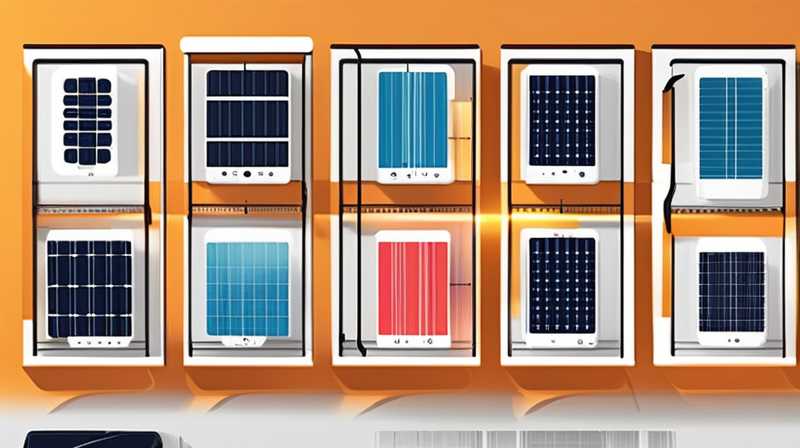
To successfully install solar lights in factories, one needs to follow a systematic approach that encompasses essential considerations and procedures. 1. Planning the installation is crucial, 2. Selecting the appropriate solar lights is necessary, 3. Ensuring proper placement and mounting is essential, 4. Including an effective maintenance plan will enhance longevity.
Planning the installation of solar lights involves evaluating the factory’s layout and determining the specific areas that require lighting. This assessment should include identifying high-traffic zones, walkways, loading docks, and potentially hazardous areas. By having a comprehensive understanding of where illumination is needed, one can make informed decisions on the quantity and type of solar lights to be deployed. Factors such as the factory’s operating hours, employee safety, and accessibility also play significant roles. For instance, if operations continue into the night, adequate lighting solutions become even more paramount.
Selecting the appropriate solar lights involves understanding various technologies available in the market. Solar lights mainly consist of LED fixtures, solar panels, and batteries. 1. High-lumen outputs are essential for visibility in expansive areas, 2. Durability against industrial conditions is vital, 3. Energy efficiency is paramount for cost-effective operations. One must consider the solar panels’ efficiency, as they will absorb sunlight and convert it into energy. In a factory with limited sunlight exposure due to structural barriers, it may be wise to explore solar lights with a higher energy storage capacity or hybrid models that incorporate grid electricity.
Ensuring proper placement and mounting of the solar lights will significantly impact their effectiveness. Optimal locations are often those with maximum sun exposure during the day to ensure adequate energy generation. Factors affecting placement include the angle and height of the lamps, which should not be too high to diminish effectiveness but elevated enough to prevent vandalism or accidental tampering. Additionally, the mounting process may require specialized tools or equipment to ensure stability. It is crucial to follow the manufacturer’s guidelines during installation to guarantee that lights function optimally without any faults.
Including a well-structured maintenance plan is fundamental to ensure the longevity of the solar lights installed. 1. Regularly inspecting for dirt or debris that might obstruct solar panels, 2. Replacing batteries as per the manufacturer’s recommendations, 3. Conducting periodic checks on LED functionality. Maintenance efforts can prevent potential problems before they escalate, ensuring lights remain reliable sources of illumination. Scheduling routine inspections, especially after inclement weather, is advisable to ensure operational efficiency. Keeping an accurate log of maintenance activities may also help in tracking performance and identifying when replacements may be necessary.
BENEFITS OF SOLAR LIGHTS IN FACTORIES
The advantages of utilizing solar lights in factory settings merit careful consideration given the long-term financial and environmental benefits they yield. 1. Cost savings through reduced electricity bills, 2. Eco-friendliness instance of renewable energy, 3. Increased safety and security within the workplace.
Cost savings can quickly become apparent once solar lights are established. Traditional lighting typically contributes to significant operational expenses, particularly in facilities that operate on extended hours with extensive lighting needs. Solar lights, powered by renewable energy harnessed from the sun, substantially reduce dependency on grid electricity, resulting in lowered operational costs. Companies can redirect these savings toward other critical operations, enhancing overall efficiency and productivity.
The ecological benefits associated with solar lights also play a crucial role in modern industry. By embracing solar energy, factories contribute to reducing carbon footprints. This shift aligns with global initiatives focused on renewable energy practices aimed at combating climate change. Incorporating solar lighting demonstrates corporate responsibility, potentially improving public perceptions and fostering goodwill among customers and stakeholders. Many organizations are now being held accountable for their environmental impact, and deploying solar lighting solutions can positively influence an organization’s image.
Prioritizing safety and security within the factory becomes increasingly achievable through proper lighting installations. Areas that are dark or poorly illuminated may lead to accidents or injuries during operations. By installing solar lights strategically throughout the premises, employees will benefit from enhanced visibility, minimizing workplace hazards. Additionally, better-lit environments can deter unwanted intrusions, thereby improving overall security. Employees working in a well-lit atmosphere often report higher satisfaction levels, leading to increased productivity and morale.
INSTALLATION PROCESS
Embarking on the installation journey requires an understanding of various steps that dictate the seamless integration of solar lights within factory environments. 1. Conducting preliminary assessments, 2. Engaging with reputable suppliers, 3. Following systematic installation procedures.
Preliminary assessments should not be rushed and must include detailed evaluations of the current lighting systems if any are in place. Understanding how existing power consumption aligns with the intended solar lighting can guide decisions on the number of fixtures and placement locations. Additionally, this assessment phase allows for taking into account all local regulations related to outdoor lighting installations, which can vary by industry and location.
Engaging with reputable suppliers ensures the right type of solar lights is chosen for the specific needs of the factory. Vendors should be able to provide clarity on performance specifications, warranties, and support services that offer guidance on both installation and ongoing maintenance. It’s prudent to consider supplier credibility and reputation, ensuring alignment with industry standards. Gathering multiple quotes may also facilitate comparative analysis regarding features, price points, and terms.
Following systematic installation procedures involves several technical considerations that ensure effectiveness and compliance with best practices. 1. Creating mounting templates ensures accuracy, 2. Conducting a trial run of the solar lights to assess placement effectiveness. After a successful trial run, further refinements may be made, optimizing the strategic placement of fixtures, ensuring maximum exposure to sunlight while avoiding unnecessary shadows or reflective glare that could impact safety.
MAINTENANCE TIPS
Staying ahead of potential issues through proper maintenance procedures is paramount for maximizing the lifespan of solar lights installed in factories. 1. Cleaning solar panels regularly to remove dirt or debris, 2. Scheduling routine checks on batteries, 3. Monitoring performance metrics over time.
Cleaning should occur frequently, especially in environments that produce dust, debris, or industrial residues that could impact solar panel efficiency. Regular inspections to address cleanliness issues can maximize energy absorption, ensuring that solar panels remain productive. Consider using a soft cloth or special cleaning solutions to avoid damaging the panels during maintenance efforts.
Routine checks on the state of batteries utilized in solar lights are equally important. It’s advisable to establish a recommended routine based on the lifespan of the batteries used and follow the manufacturer’s guidelines. Taking note of any significant changes in performance can help in identifying when battery replacements become necessary. Keeping thorough records allows for better planning, ensuring the continuity of lighting solutions without lengthy interruptions in service.
Monitoring performance metrics can yield further insights into operational effectiveness. Observing how well lights function, including their brightness levels during nighttime hours, reveals critical data regarding overall systems efficiency. Anomalies in performance should prompt immediate investigations, addressing any faults before they develop into larger problems. Implementing a reliable monitoring system to track energy savings and performance can also provide valuable insights into optimizing future installations across other areas of the factory.
FREQUENTLY ASKED QUESTIONS
WHAT ARE THE MAIN ADVANTAGES OF USING SOLAR LIGHTS IN FACTORIES?
Utilizing solar lights in factory environments comes with several advantages that make them an attractive option for modern industrial operations. 1. Reduced energy costs stand out as significant benefits, 2. Sustainability assigned to utilizing renewable energy sources, 3. Enhanced safety and security within facilities. By diminishing reliance on conventional electricity sources, organizations capitalize on substantial savings that can be redirected to other pivotal initiatives. This investment in renewable energy aligns with contemporary global objectives, emphasizing corporate social responsibility and sustainable practices. Moreover, the resulting benefit of enhanced visibility leads to fewer workplace accidents, fostering employee satisfaction and promoting an environment conducive to productivity.
HOW DO I DETERMINE THE NUMBER OF SOLAR LIGHTS REQUIRED FOR MY FACTORY?
Determining the adequate quantity of solar lights necessitates a thorough assessment of the specific lighting needs required for the factory premises. 1. Assessing the layout and size of the factory informs placement strategy, 2. Evaluating lighting standards guides proper illumination levels required, 3. Engaging lighting professionals can provide expertise in efficient measurements. Measurements such as square footage should be correlated with factors like foot traffic and operational hours, ensuring that all areas are adequately lit. Moreover, understanding the light output of the selected fixtures helps define how many units would be required without over-illuminating or under-illuminating crucial workspaces.
WHAT FACTORS SHOULD I CONSIDER WHEN SELECTING SOLAR LIGHTS FOR INDUSTRIAL SETTINGS?
Numerous considerations need to be addressed when selecting solar lights for industrial environments that breathe life into decisions that affect operational dynamics. 1. Assessing durability and weather resistance is critical due to indoor environments, 2. Evaluating system capacity ensures lights remain functional across varying exposure conditions, 3. Understanding the balance between price and performance can help maximize returns. By focusing on robust, weather-resistant materials, lights can withstand challenging conditions while maintaining efficacy. Furthermore, it’s essential to weigh the potential return on investment against upfront costs, delivering a holistic view of financial implications associated with selection.
Enhancing industrial environments with solar lights provides tailored solutions that directly address both functional lighting needs and broader corporate values. The journey to installing solar lights in factories entails extensive planning, rigorous investment in appropriate technologies, strategic placement, and proactive maintenance to safeguard long-term effectiveness. As organizations discuss cleaner energy sources, pioneers in this transition should take initiative, marking their commitment to sustainability while enhancing the safety and efficiency of their workplaces. Each step along the path to implementing solar lighting underlines not only a commitment to operational excellence but also a broader commitment to eco-conscious practices that can inspire long-term benefits for all stakeholders involved.
Original article by NenPower, If reposted, please credit the source: https://nenpower.com/blog/how-to-install-solar-lights-in-factories/

