

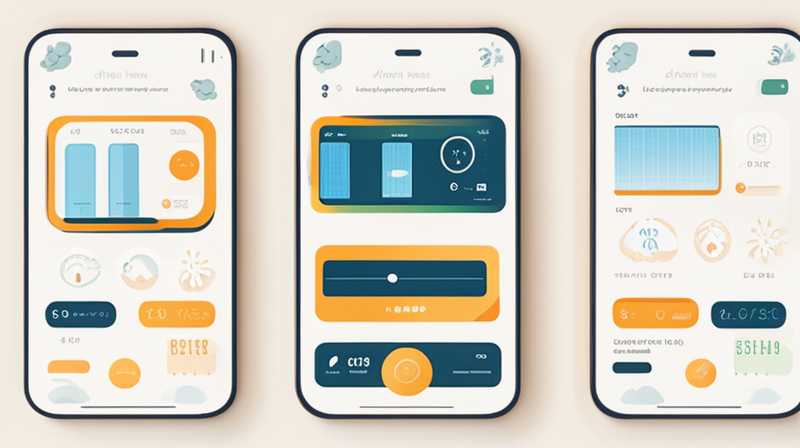
To connect a solar monitoring mobile phone card, several key steps must be followed. 1. Ensure compatibility with the solar monitoring system, as not all systems support mobile phone connectivity; 2. Insert the SIM card into the monitoring device, ensuring it’s securely seated in the designated slot; 3. Power up the system and allow it to initialize; 4. Access the device’s settings via a web interface or a dedicated app to input network credentials; 5. Verify the connection by checking the status indicators on the app or website, confirming data transmission and monitoring status; 6. Troubleshoot any issues that may arise, consulting the user manual or support resources if connection problems persist. The importance of ensuring correct device compatibility cannot be emphasized enough, as this is a fundamental prerequisite that dictates the success of the entire process.
1. UNDERSTANDING SOLAR MONITORING SYSTEMS
Solar monitoring systems play a crucial role in managing and optimizing solar energy production. These systems track the performance of solar panels, ensuring they operate efficiently. A mobile phone card, or SIM card, can be integrated into these setups to enable real-time data transmission and remote access to performance metrics. By understanding the components of a solar monitoring system, one can better appreciate the role and functionality of a mobile phone card within this framework.
Connecting a mobile phone card to a solar monitoring system enhances its capabilities significantly. It allows solar energy producers to monitor system performance occurrences from anywhere using a smartphone or tablet. This access facilitates immediate response to any performance issues, leading to improved system uptime. Moreover, data collected through this connection can be used to analyze trends over time, providing insights into energy production patterns.
2. PREPARING FOR CONNECTION
Before initiating the connection process, it’s essential to perform a series of preparatory steps to ensure success. 1. Verify device compatibility. Research and determine whether the solar monitoring system in use supports mobile connectivity. Different models and manufacturers might have varying specifications, making this initial check vital. 2. Secure the appropriate mobile phone card. Choose a card with a data plan compatible with the device’s requirements. The capacity of the data plan will directly affect how much information can be transmitted.
Once compatibility and requirements are confirmed, gather all necessary tools and documents. Ensure you have access to the user manual, as it provides technical assistance and specific instructions tailored to the device. 3. Create a stable workspace. Use a clean, well-lit area to handle the monitoring system and card. This minimizes the risk of damage during installation. Proper preparation sets the tone for a smoother connection experience and reduces potential setbacks.
3. CONNECTING THE MOBILE PHONE CARD
At this juncture, the physical connection of the mobile phone card to the solar monitoring system must take place. 1. Locate the SIM card slot. Most devices have a clearly marked insertion point, typically on the underside or the side panel of the hardware. Gently open the compartment, handling the device with care to avoid any accidental damage. 2. Insert the SIM card correctly. Ensure it’s aligned according to the indicated guides, preventing improper installation that could lead to functional issues.
After inserting the SIM card, 1. Power on the device. Confirm that the solar monitoring system recognizes the new card. This typically includes observing any indicator lights or notifications on the display. If all goes well, the device should initialize the mobile connection. 2. Troubleshoot any issues. If problems arise during this stage, consult the user manual to identify solutions or troubleshooting tips.
4. CONFIGURING DEVICE SETTINGS
The next sequence involves configuring the settings of the solar monitoring system to utilize the newly connected mobile phone card effectively. 1. Access the system’s configuration page, either through a web interface or via a dedicated application linked to the device. The user manual will provide the specific URL or app details necessary for access. 2. Enter the required network parameters. Input any essential information, such as APN settings, to establish a successful internet connection.
This configuration phase is essential for achieving optimal functionality. Each monitoring system may have unique requirements, making it imperative to follow instructions closely. 1. Save the settings and confirm the connection. Ensure all entered information is saved properly to prevent data loss. After saving, the device should establish a connection, allowing remote access to monitoring features. 2. Validate the connectivity status. Most applications will have a connection status indicator showing whether the device successfully transmits data.
5. VERIFYING CONNECTION SUCCESS
Once the system is configured, it is necessary to verify if the connection is functioning correctly. 1. Monitor live data feeds. Most solar monitoring applications provide features to observe real-time data, such as energy production and consumption metrics. 2. Check historical performance data. Review past performance entries to ensure accurate data transfer and integrity.
Conducting these checks is paramount in understanding the system’s functionality. 1. Document any anomalies or performance issues. Keeping a record will facilitate troubleshooting in case of connectivity failures or performance drops in the future. 2. Regularly review application settings. Synching the application periodically ensures that the setup continues to operate smoothly as both network and monitoring systems evolve.
6. TROUBLESHOOTING CONNECTION ISSUES
If connectivity problems manifest, addressing these issues promptly is vital. 1. Check signal strength. Ensure the solar monitoring system is placed in an area with adequate mobile network coverage, as weak signals can hinder performance. 2. Restart the device. Sometimes, resetting the system can resolve temporary connectivity hiccups.
Additionally, 1. Review APN settings. Incorrectly entered Access Point Names can obstruct proper connectivity; referring back to the telecommunications provider’s guidelines can help rectify this. 2. Contact technical support. If an issue cannot be resolved independently, reaching out to customer service can provide insights or solutions based on the manufacturer’s experience.
7. STAYING UPDATED WITH MONITORING SYSTEMS
Maintaining an effective solar monitoring system extends beyond establishing a mobile connection. 1. Regularly upgrade software. Keeping the monitoring application up-to-date ensures access to advanced features and compliance with security updates. 2. Engage with user communities. Participating in online forums can yield valuable insights and techniques derived from collective user experiences.
Conclusively, additional measures can be taken. 1. Utilize analytics. Many solar monitoring applications provide detailed analytics that can guide strategic decisions related to energy usage. 2. Schedule maintenance checks. Ensure the overall system is clean and functioning, as neglected hardware can lead to underperformance over time.
FREQUENTLY ASKED QUESTIONS
WHAT ARE THE ADVANTAGES OF USING A MOBILE PHONE CARD IN A SOLAR MONITORING SYSTEM?
Integrating a mobile phone card into a solar monitoring system allows for real-time access to performance metrics from virtually anywhere. This heightened level of oversight enables users to respond quickly to performance fluctuations, which can adversely affect energy production. With instant notifications regarding system performance, users can ensure that their solar panels operate at peak efficiency.
Moreover, this technological enhancement facilitates data analysis, enabling users to make informed decisions about energy management. For instance, historical data can reveal patterns in energy generation and consumption, assisting in optimizing energy use. Employing a mobile phone card has made remote monitoring and management increasingly user-friendly and accessible, which enhances overall satisfaction and performance of solar energy systems.
HOW CAN I TROUBLESHOOT CONNECTIVITY PROBLEMS WITH MY SOLAR MONITORING SYSTEM?
Troubleshooting connectivity issues may sometimes feel daunting, but several systematic steps can help isolate and resolve the problem. Initially, checking the strength of the mobile signal is imperative. Inadequate coverage can severely impact data transmission. Next, reviewing the APN settings might reveal any incorrect configurations that prevent the system from accessing the network successfully.
If the issue persists, it may be essential to restart the solar monitoring device. This simple reset can resolve many temporary glitches. Additionally, consult the user manual for troubleshooting tips that are specific to your model. If independent efforts do not yield results, reaching out to technical support for guidance can provide insights drawn from their expertise and previous user experiences.
HOW OFTEN SHOULD I CHECK THE SOLAR MONITORING SYSTEM SETTINGS?
Routine checks of the solar monitoring system settings encapsulate good practice and preventive maintenance. A recommended frequency is every month, as this allows timely adjustments to ensure that the system remains configured for optimal performance. During these reviews, checking the settings will help verify that everything operates as expected within the application and that no inadvertent changes have occurred.
Alongside monthly checks, keeping a particular eye on energy production trends will provide insights into any anomalies that may require attention. Therefore, scheduled reviews should be paralleled by continuous monitoring of the performance data to ensure the system is functioning efficiently and effectively, leading to long-term benefits.
Ultimately, connecting a solar monitoring mobile phone card requires a methodical approach to ensure successful integration. Every stage, from preparation to troubleshooting, contributes to the efficiency of the system. It is essential to remain vigilant and proactive in managing the system to maintain optimal performance and derive the maximum benefit from solar energy production. Regular inspections, updates, and community engagement will further enhance one’s experience with solar monitoring systems. By understanding the intricacies involved in establishing a mobile connection and maintaining the setup, users can significantly maximize their solar energy efficiency and reliability.
Original article by NenPower, If reposted, please credit the source: https://nenpower.com/blog/how-to-connect-the-solar-monitoring-mobile-phone-card/

