Choosing solar exterior lights is essential for both aesthetics and functionality in outdoor spaces. 1. Evaluate the purpose of the lighting, 2. Consider the brightness and light output, 3. Assess the type of solar technology used, 4. Analyze the design and aesthetics. The purpose of the lighting should be prioritized — whether for security, ambiance, or visibility, determines the most suitable type and placement of lights. Proper evaluation ensures that the selected solar lights meet your needs while simultaneously enhancing your outdoor environment.
1. PURPOSE OF SOLAR EXTERIOR LIGHTING
Understanding the intended use of solar exterior lighting is imperative for making informed decisions. Identifying the primary function—whether for security, ornamental enhancement, or illuminating pathways—guides the selection process. An effective outdoor lighting scheme enhances safety and usability while contributing beauty to the landscape.
When considering security, motion sensor lights may serve as a strong deterrent against intruders. Well-placed lights can illuminate entry points, driveways, and areas with high foot traffic. For aesthetics, decorative options such as string lights or lantern-style fixtures can create a pleasant ambiance during social gatherings or intimate evenings outdoors. Prioritizing the purpose shapes not only the type of light chosen but also the design and placement strategies employed.
In addition to purpose, environmental factors play a crucial role. Solar lights rely on sunlight for energy, thereby situational characteristics such as landscaping, tree placements, and regional climate should not be overlooked. By analyzing these factors in conjunction, one can select appropriate species designed to function optimally in specific environments while fulfilling their intended objective.
2. BRIGHTNESS AND LIGHT OUTPUT
An integral consideration when selecting solar exterior lights is brightness, typically measured in lumens. The higher the lumen count, the brighter the light output. While aesthetic preferences may lean towards softer lighting, functionalities such as security require brighter illumination to ensure proper visibility.
For pathways and driveways, lights producing 100-300 lumens are generally acceptable, providing sufficient visibility without overwhelming the senses. Conversely, for security purposes, fixtures with over 500 lumens might be necessary. Levels of brightness should also be influenced by the distance of illumination — fixtures placed further from an intended target may require a higher lumen output to deliver adequate lighting.
Furthermore, the quality of LED technology affects brightness and power consumption. Some solar lights utilize advanced LED chips that offer enhanced brightness levels while conserving energy. When selecting fixtures, one may wish to explore products that highlight their lumen output alongside solar technology specifics to ensure a match with their lighting needs.
3. SOLAR TECHNOLOGY TYPES
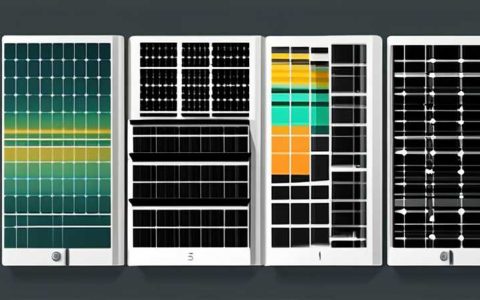
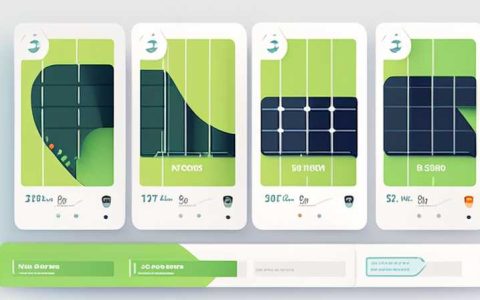
The efficiency and effectiveness of solar exterior lights depend on the type of solar technology utilized. Common variants include monocrystalline, polycrystalline, and amorphous solar panels. Each type has its advantages and limitations within different settings and operational conditions.
Monocrystalline panels are known for their high efficiency and compact size. They generate more electricity compared to other types while requiring less space, making them ideal for limited yard sizes or specific architectural styles. On the other hand, polycrystalline panels are generally less expensive, although they occupy more space and tend to be marginally less efficient.
Amorphous solar panels, while offering flexibility and a lower cost, are often regarded as the least efficient of the three. They perform better in low-light conditions and can capture sunlight at different angles. This feature can be beneficial in shaded areas where conventional panels may struggle.
Understanding the nuances between these solar technologies allows individuals to make informed choices aligned with specific needs and environmental conditions. Therefore, it is essential to evaluate the local climate and specific installation conditions when selecting the appropriate solar technology for exterior lights.
4. DESIGN AND AESTHETICS
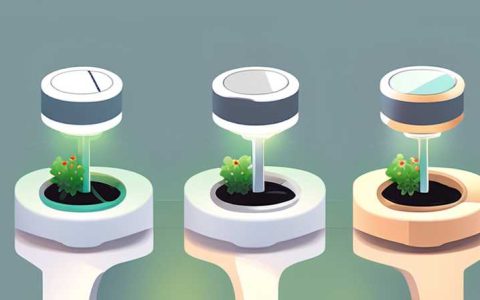
The design and aesthetics of solar exterior lights are just as crucial as their functional characteristics. Choosing fixtures that complement existing landscapes, architecture, and style preferences enhances curb appeal, while simultaneously making a positive statement about personal taste.
Options abound — ranging from modern sleek designs encapsulated in glass and metal to rustic lanterns woven from natural materials. Such diversity permits personalization in outdoor spaces, allowing homeowners to reflect their aesthetic while serving functional purposes. When selecting, consider how fixtures will harmonize with other landscape elements, including landscaping, house architecture, and even patio furniture.
Additionally, elements such as color, shape, and material contribute to the overall ambiance created by the lighting scheme. Colors may range from traditional warm whites to vibrant hues, while shapes can be geometric, classic, or whimsical. The material also affects durability and maintenance levels; stainless steel may withstand the elements longer than plastic counterparts. By combining form and function, one can create an enchanting outdoor atmosphere, ensuring a consistent and appealing design across various spaces.
5. MAINTENANCE CONSIDERATIONS
An often-overlooked aspect of solar exterior lighting is maintenance. Though these fixtures generally require less upkeep compared to traditional lighting systems, periodic attention is beneficial for sustaining optimal performance. Keeping panels clean ensures maximum sunlight absorption, thereby increasing energy efficiency and light output.
Regular inspections for damages, such as cracked lenses or loose connections, can help in addressing issues early and avoiding costly replacements. Additionally, seasonal considerations should inform how much maintenance is necessary; for instance, clearing debris or snow accumulation in winter months may help panels remain effective.
Understanding the specifics of solar lighting maintenance also includes familiarizing oneself with battery life and replacement timelines. Many solar lights utilize rechargeable batteries that eventually lose efficiency over time. Knowing when to replace batteries can significantly enhance the longevity and performance of the lighting fixtures, preserving both their utility and aesthetic appeal.
FREQUENTLY ASKED QUESTIONS
WHAT ARE THE BENEFITS OF USING SOLAR EXTERIOR LIGHTS?
Solar exterior lights offer a plethora of advantages that elevate them above traditional lighting options. Firstly, they harness solar energy, thus eliminating ongoing electricity costs. This makes them economically advantageous in the long term. Furthermore, solar lights are generally easy to install since they don’t require extensive wiring or electrical knowledge, allowing for a flexible placement in diverse outdoor settings.
Moreover, many solar products incorporate features like motion sensors and dusk-to-dawn operations, enhancing both security and convenience. In addition, as renewable energy sources, they contribute to environmental sustainability by reducing carbon footprints linked with conventional electricity consumption. The eco-benefit of using renewable energy sources enhances urban development initiatives aimed at sustainability and conservation.
Aesthetic flexibility often comes with aesthetic appeal; solar lights are available in a wide variety of styles, designs, and features that cater to different preferences and landscaping themes. With the right choice, homeowners can achieve ideal lighting conditions that do not only illuminate but also enhance the beauty of the outdoor space.
HOW LONG DO SOLAR LIGHTS LAST?
The longevity of solar lights is influenced by various factors, including quality, material, battery type, and the extent of exposure to sunlight. Typically, solar lights can function effectively for 3 to 10 years, depending on their construction and environmental conditions.
Higher-quality products with robust materials such as tempered glass and corrosion-resistant components usually last longer than cheaper alternatives made from plastic. Additionally, the nature of the rechargeable battery employed in solar lights determines their lifespan; nickel-cadmium (NiCad) and lithium-ion (Li-ion) batteries usually provide more durability and efficiency than traditional alkaline batteries.
Proper maintenance also plays a significant role in prolonging the life of solar lights. Routine cleaning of solar panels and timely battery replacements help in retaining optimal performance, ultimately extending the working life. Weather influences outcomes as well; for example, locations experiencing harsher climates may necessitate more frequent maintenance, thereby impacting the assessed duration.
CAN SOLAR LIGHTS WORK IN SHADY AREAS?
This inquiry touches upon the performance capabilities of solar lights under varying environmental conditions. While solar lights can function in shaded areas, they significantly depend on sufficient light exposure for effective performance.
Many solar lighting systems operate best with unobstructed sunlight, which allows optimal charging of the solar batteries. However, some advanced models use amorphous solar panels, which perform better on overcast days and in shaded areas than their monocrystalline and polycrystalline counterparts. These varieties can capture diffused sunlight more effectively.
Nonetheless, for spaces that experience extensive shade or limited sunlight throughout the day, it’s advisable to assess the feasibility of relocating fixtures to ensure they have access to sunlight. Alternatively, exploring other outdoor lighting solutions may help meet the specific needs of the area, thereby ensuring lighting effectiveness.
Selecting solar exterior lights is not merely about choosing a fixture or product but encompasses a comprehensive understanding of various key considerations. Those considerations include the fixtures’ intended purpose, brightness levels, solar technology types, design aesthetics, and maintenance requirements. All these elements intertwine to create a cohesive, beautifully illuminated outdoor space that satisfies both functional and personal desires.
It is crucial to balance aesthetics and practicality while observing the specific environmental conditions that may affect solar efficiency. By evaluating these diverse factors diligently, individuals can maximize the advantages of solar lighting while contributing to sustainable living practices. In a world increasingly focused on eco-friendly solutions, local and regional policymakers advocate for and support the widespread adoption of renewable energy sources, including solar lighting in residential areas.
Ultimately, informed decision-making results in optimized outdoor spaces tailored to meet varying lighting requirements. Solar exterior lights stand out as an exceptional solution, provided proper attention is dedicated to choosing the ideal styles and technologies that align with specific preferences and circumstances. Engaging with the advancements in solar technology can further enhance choices and ensure greater energy efficiency and light output, making outdoor living areas safer and more inviting.
Original article by NenPower, If reposted, please credit the source: https://nenpower.com/blog/how-to-choose-solar-exterior-lights/