

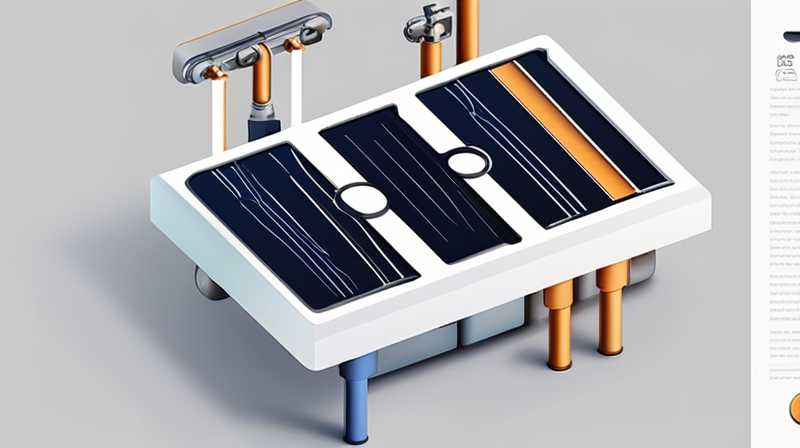
To effectively incorporate valves into solar pipes, there are several essential aspects to consider. 1. Identify appropriate valve types based on the specific system requirements, 2. Ensure proper sizing to facilitate optimal flow and efficiency, 3. Install valves in accordance with industry standards to prevent leaks, 4. Regularly maintain and check the system to ensure optimal functionality. The selection of the right valve is particularly crucial, as the compatibility with solar applications can greatly influence performance and longevity. Valves serve not only to regulate the flow of fluids but also to safeguard the entire solar system against potential malfunctions.
1. UNDERSTANDING VALVE TYPES
Determining the correct type of valve for solar pipes is a pivotal step. There are many valve choices, each tailored for specific functionalities. Common types include ball valves, gate valves, and check valves, and making the right selection can drastically affect both performance and system reliability.
Ball valves are often preferred due to their durability and low flow resistance. Their spherical disc allows for a quick shut-off and is ideal for handling high-pressure fluctuations within solar systems. Conversely, gate valves can be advantageous when subjected to minimal flow restriction, as they allow for unobstructed passage of fluid when fully open. Each of these valves has unique operational characteristics, influencing efficiency and performance.
Moreover, check valves play a critical role in preventing backflow, which is particularly important in solar heating applications. Backflow can lead to significant energy loss and potential damage to equipment. Integrating this type of valve can enhance system integrity and efficiency. Ultimately, selecting the suitable type of valve will set a strong foundation for a well-functioning solar piping system.
2. SIZING VALVES FOR EFFICIENCY
Proper sizing of valves is crucial for maintaining the efficiency of solar systems. Valves that are too small can restrict flow, leading to pressure drops that diminish energy transfer rates. On the other hand, oversized valves can lead to turbulence, creating inefficiencies and potential wear and tear on the system over time.
It is necessary to assess the flow rate requirements of the solar system’s pipes to determine the correct valve size. Calculating flow rates involves considering peak demand scenarios and the maximum temperature and pressure the system will experience. Additionally, manufacturers typically provide sizing charts that can guide selection based on these parameters. Consulting these resources can help identify the most appropriate valve dimensions, thereby optimizing system performance.
Maintaining appropriate sizing ensures that the solar energy system operates within its designated parameters, enhancing both efficiency and longevity. If miscalculated, it can lead to flow-related issues, increased operational costs, and reduced system effectiveness over time. Therefore, care should be taken in assessing size before installation.
3. INSTALLATION OF VALVES
Installation of valves requires careful attention to detail to ensure that connections are secure and leak-free. Any improper installation can lead to fluid loss, inefficiencies, and potential damage to the solar system. A well-planned installation minimizes operational disruptions and maximizes longevity.
Prior to installation, it is crucial to prepare the piping system adequately, ensuring that all surfaces are clean and free from debris. Familiarity with the manufacturer’s guidelines for specific valving products plays an essential role in achieving a successful installation. Special tools may be necessary to facilitate alignment and secure connections.
Additionally, utilizing proper sealing methods, such as thread seal tape, can further prevent leakages. Periodic checks of the valve connections post-installation are recommended, allowing for early detection of potential issues. Following stringent measures throughout the installation process can greatly enhance the reliability of the solar piping system.
4. MAINTAINING VALVES EFFECTIVELY
Effective maintenance of valves within solar pipe systems stays at the forefront of ensuring peak efficacy. Over time, accumulation of debris, scale, or corrosion can impair valve performance, leading to malfunctions that could compromise the entire system.
Regular monitoring of valves for any signs of leaks or irregular operation should be prioritized. Creating a scheduled maintenance plan—one that includes inspections, cleaning, and, if necessary, replacements—will help in mitigating long-term issues. Incorporating tools such as pressure gauges can assist in identifying whether valves are operating within their designated parameters.
Another vital aspect involves checking valve seals and gaskets. Over time, these components wear out, leading to potential fluid leaks. Prompt replacements can extend the lifespan of valves, thus ensuring the solar system continues to function effectively. As a rule of thumb, maintaining a meticulous upkeep routine is integral for optimizing overall system performance and sustainability.
5. SELECTING QUALITY VALVE MATERIALS
In selecting valve materials, considerations surrounding corrosion resistance and thermal stability are paramount, particularly in solar applications where environmental conditions may vary significantly. Components must withstand high temperatures and prolonged exposure to sunlight and moisture.
Brass and bronze are commonly used materials that offer excellent resistance to corrosion, making them suitable for various fluids. However, for systems exposed to harsh conditions or specific chemical interactions, stainless steel may provide better durability. Understanding the environmental conditions and application requirements is critical when selecting materials for valves.
Additionally, high-quality materials often result in enhanced longevity and performance, minimizing the need for frequent replacements. Proper selection thus not only affects cost in the short term but can contribute to substantial savings and efficiency improvements over the lifespan of the solar system.
FAQs
WHAT TYPE OF VALVE IS BEST FOR SOLAR APPLICATIONS?
The best type of valve for solar applications really depends on the specifics of the system configuration and operational requirements. However, ball valves are often favored due to their durability and effectiveness in regulating flow. They provide a tight seal and can withstand high pressure, making them suitable for various setups. Additionally, check valves are critical for preventing backflow, which protects against energy waste and damages. It is essential to evaluate operational conditions, temperature ranges, and fluid types to make an informed decision regarding the valve type.
HOW OFTEN SHOULD VALVES IN SOLAR SYSTEMS BE INSPECTED?
Regular inspection of valves within solar systems is vital for maintaining optimal performance and preventing potential issues. It is advisable to conduct inspections at least once every six months as part of routine maintenance. This schedule allows for early detection of leaks or degradation, which can be addressed promptly to avoid more costly repairs down the line. Furthermore, inspecting valves after significant weather events or operational changes is recommended to ensure they have remained secure and functional. Ultimately, a laxer inspection schedule can lead to problems that may compromise the entire solar system’s efficiency.
CAN VALVES BE REPAIRED OR DO THEY NEED TO BE REPLACED?
The possibility of repairing valves largely depends on the nature and extent of the issue. Many minor issues, such as leaks or scaling, can often be addressed with appropriate maintenance techniques, such as resealing or cleaning. However, if the wear and tear are beyond manageable repair, or if the valve is consistently malfunctioning, replacement is typically the best option. Investing in high-quality valves can also reduce wear and prolong performance, thus minimizing the need for frequent repairs or replacements. Ultimately, a thorough evaluation of the valve condition will help in determining the best course of action.
BALANCING VALVE PERFORMANCE WITH SOLAR SYSTEM EFFICIENCY
Achieving a harmonious balance between valve performance and system efficiency remains critical in any solar application. The selection, sizing, installation, and continuous maintenance of valves can largely dictate the success of any solar piping system. The correct integration of valves not only ensures effective fluid regulation but also promotes the optimal transfer of solar energy.
The compatibility of valves with existing infrastructure is essential. Any misalignment or inappropriate sizing can lead to decreased performance and potential system failure. As energy demands increase, particularly in solar applications, the requirement for precise valve management becomes increasingly apparent. The emphasis should lie not just on initial costs but also on the long-term benefits of proper valve selection and integration.
Moreover, advancements in valve technology continuously influence the efficacy of solar systems. Fast-evolving materials, innovative designs, and enhanced operational capabilities equip modern valves to meet ever-increasing demands efficiently. By staying informed about innovations in valve technology and adjusting practices accordingly, solar power system operators can maximize productivity. Additionally, a proactive approach that emphasizes regular monitoring, maintenance, and ongoing education can significantly extend the life and efficiency of solar systems, ultimately leading to more sustainable energy solutions.
Through meticulous attention to the details involved in adding valves to solar pipes, operators can enhance the overall functionality and sustainability of their systems, thus securing a more resilient energy future. In summary, proactive strategies will ensure optimal performance in solar applications, reflecting a commitment to both efficiency and long-term sustainability.
Original article by NenPower, If reposted, please credit the source: https://nenpower.com/blog/how-to-add-valves-to-solar-pipes/

