

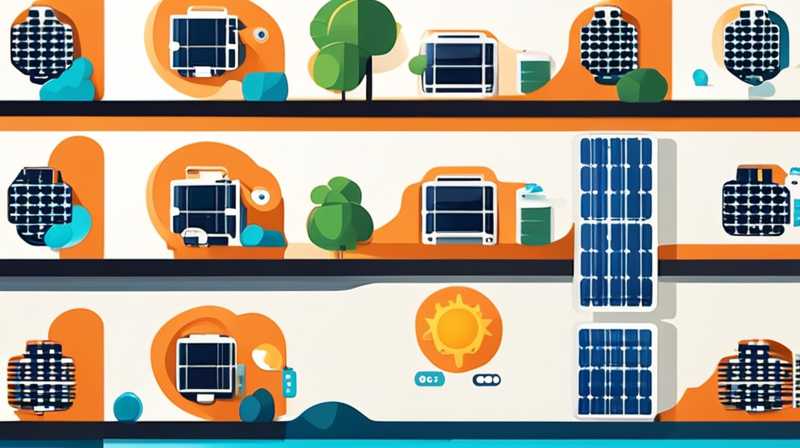
The solar energy industry chain is a multifaceted structure consisting of several interconnected components that work collaboratively to produce solar power. 1. The chain includes various stages: resource acquisition, manufacturing processes, distribution, installation, and maintenance. Each stage plays a critical role in ensuring the effective harnessing of solar energy. 2. Resource acquisition involves sourcing raw materials like silicon, which is essential for solar panel production, while manufacturing encapsulates the technical development of solar technologies. 3. Distribution focuses on the logistics of delivering these products to end-users. 4. Installation and maintenance ensure that solar systems operate at peak performance for their lifespan. Elaborating on one key aspect, the manufacturing process is pivotal as it not only involves the creation of solar cells but also continuous innovation to increase efficiency and reduce costs, ensuring that solar energy remains a competitive alternative in the global energy market.
1. RESOURCE ACQUISITION AND KEY RAW MATERIALS
The initial phase in the solar energy industry chain is resource acquisition, which significantly influences the entire process. Silicon is the primary raw material used for photovoltaic (PV) cells, comprising around 95% of the market by volume. This material is abundantly found in nature, primarily in quartz sand. However, the journey from raw material to usable solar cells is intricate and requires considerable technological input. The extraction of silicon involves mining and refining processes that transform quartz into metallurgical grade silicon, the first step in a lengthy production line.
Another crucial aspect of resource acquisition encompasses alternative materials such as cadmium telluride and organics used in thin-film solar cells. These alternatives present opportunities for reduced production costs and enhanced flexibility in applications. Furthermore, the supply chain intricacies involve managing the environmental impacts of resource extraction and prioritizing sustainability practices. Innovative recycling methods for solar panels also emerge from this segment, allowing manufacturers to utilize reclaimed materials in new products. Effective resource management is instrumental in maintaining the industry’s growth while minimizing ecological footprints.
2. MANUFACTURING PROCESSES
Transitioning from resource acquisition to manufacturing is where innovation and technology meet. Manufacturing solar panels involves several distinct steps: crystallizing silicon, cutting into wafers, doping, and assembling these into cells. Each step provides opportunities for technical improvement, aiming to enhance efficiency rates. Silicon wafers undergo treatments, such as doping with Phosphorus or Boron, to create a positive-negative junction necessary for electricity flow.
A noteworthy advancement in this realm is the development of bifacial solar panels, which harness sunlight from both sides, effectively increasing energy yield without proportionate increases in material costs. This innovation emerges as global efforts to enhance panel efficiency escalate, leading to research into alternative materials and improved designs. Moreover, sustainability practices gain prominence in manufacturing processes, focusing on energy-efficient production lines and lowering carbon footprints.
The implementation of automation in factories has further revolutionized manufacturing, enabling higher throughput rates and a consistent quality output. By leveraging robotic systems, manufacturers can enhance precision in panel production and significantly reduce labor costs. In tandem with automation, the integration of artificial intelligence facilitates predictive maintenance and quality checks, ensuring that each solar panel meets stringent performance standards. This confluence of technological advancements solidifies the foundation that the solar energy industry rests upon.
3. DISTRIBUTION LOGISTICS
Once solar panels are manufactured, the next critical step involves the distribution logistics that facilitate the transportation of solar technology to various markets. Efficient distribution mechanisms represent a fundamental component in the solar energy industry chain, as they ensure that products reach end-users in a timely manner. This process begins with warehousing, where finished products are stored before their journey to installation sites.
A multifaceted approach underscores the distribution network, incorporating partnerships with logistics providers, transport procurement, and inventory management solutions. Having a robust distribution strategy minimizes delays, mitigates transportation costs, and guarantees transparency within the supply chain. Enhanced tracking technologies, including GPS and RFID systems, have revolutionized how solar products are monitored during transit.
Moreover, regional differences play a significant role in distribution strategies. Certain geographical areas may be more conducive to solar installations than others, and therefore, manufacturers need to tailor their distribution efforts to accommodate local regulations, incentives, and market demands. Collaborations between manufacturers and distributors can effectively address these challenges, creating a symbiotic relationship poised for success in advancing solar energy adoption.
4. INSTALLATION AND MAINTENANCE
After navigating the distribution landscape, the next phase is the installation of solar power systems. Installation is a nuanced process requiring skilled labor and precise planning to optimize the performance of solar technology. Proper installation maximizes solar panel efficiency and longevity, ensuring that the system operates at optimal capacity. Techniques such as tilt angle adjustments and positioning relative to sunlight availability are critical during this phase.
Professional installers not only handle the physical installation but also ensure compliance with local regulations and safety standards. Installing solar energy systems often involves permits and inspections, adding layers of complexity to the process. Training and certification programs for installers gain importance, assuring customers of quality and adherence to best practices.
Equally important is the maintenance phase, which ensures the long-term efficiency of installed systems. Regular maintenance checks on solar panels involve cleaning, visual inspections, and performance monitoring. Effective maintenance contributes to preventing efficiency losses and extending the lifespan of the equipment. Measures such as software for monitoring energy production can alert owners to discrepancies or potential issues, facilitating timely interventions and repairs.
Ultimately, the installation and maintenance aspects of the solar energy chain are foundational to customer satisfaction and the overall efficacy of solar power as a sustainable energy solution. With ongoing innovations and the promotion of best practices, the solar energy industry is positioned for continuous growth and enhanced adoption worldwide.
FAQs
WHAT IS THE ENVIRONMENTAL IMPACT OF SOLAR ENERGY?
The environmental impact of solar energy is largely positive. Solar energy generation significantly reduces greenhouse gas emissions by substituting fossil fuel-based electricity, thus contributing to climate change mitigation. Unlike fossil fuels, solar power generation does not emit carbon dioxide during operation. Solar panels can produce clean energy for around 25 to 30 years without producing harmful emissions.
However, it’s crucial to acknowledge certain environmental concerns associated with the lifecycle of solar energy systems. The manufacturing process involves extracting and refining raw materials, which can have environmental repercussions, such as land degradation and water pollution. Additionally, end-of-life disposal of solar panels poses challenges due to the presence of hazardous materials like cadmium in some types of panels. As the industry matures, improvements in recycling technologies are emerging, facilitating the recovery of valuable materials while addressing disposal issues.
Ultimately, while the pursuit of sustainable energy sources like solar is not without challenges, the net environmental benefits heavily outweigh the negatives, especially when considering the urgent need to combat climate change.
HOW DOES SOLAR ENERGY COMPARE TO OTHER RENEWABLE SOURCES?
When compared to other renewable energy sources, solar energy possesses distinct advantages. Solar power generation boasts a vast potential for scalability, as solar panels can be deployed in a variety of settings, including residential rooftops and large solar fields. This versatility enables widespread adoption and provides opportunities for different energy consumers, making solar an accessible option for reducing reliance on fossil fuels.
Another significant attribute of solar energy is the decrease in costs associated with solar technologies over the past decade. The price of solar panels has plummeted, making solar power more economically viable compared to wind and geothermal energy sources. Furthermore, unlike wind energy, which depends on wind patterns, solar energy can be generated consistently during daylight hours, making it a more predictable energy source in certain areas.
However, solar energy does face challenges, mainly the intermittent nature of sunlight, which necessitates energy storage solutions to ensure a steady supply when sunlight is unavailable. In comparison, other renewables like hydroelectricity provide consistent generation capabilities. Overall, the assessment of solar energy in relation to other renewables relies heavily on geographical, economic, and technological factors influencing energy generation.
WHAT ARE THE CURRENT TRENDS IN THE SOLAR ENERGY INDUSTRY?
The solar energy industry is ripe with innovations and shifting trends that continually reshape its landscape. One prominent trend is the heightened pursuit of energy storage solutions. With the increase in solar panel installations, businesses and homeowners seek efficient energy storage options to maximize their solar investments. Technologies like lithium-ion batteries are gaining traction, allowing users to store excess solar energy generated during daylight for use during non-sunny hours. This trend emphasizes not just the generation but also the intelligent management of energy resources.
Moreover, another evolving facet of the solar industry is the rise in community solar projects. These projects enable multiple subscribers to share the benefits of a shared solar installation, particularly advantageous for those who cannot install panels on their rooftops. Community solar programs bolster participation in the renewable energy sector, making solar accessible to wider audiences while also promoting shared ownership models.
Technological advancements also continue to push the boundaries in solar efficiency, exemplified by innovations like bifacial solar panels and smart inverters that better manage energy flow. Such developments ensure that solar energy remains a dynamic player in the global shift toward cleaner energy, catering to the restrictions and preferences of energy consumers while reducing dependence on conventional fossil fuel sources.
In summary, the solar energy industry chain encapsulates various processes from resource acquisition through to installation and maintenance, emphasizing the importance of each component in fostering sustainable energy solutions. With ongoing advancements in technology, logistical distribution, and community efforts, the field grows ever more integral to reducing environmental impact and promoting energy independence. The collective movement toward clean energy harnesses both innovation and collaboration, ensuring a promising trajectory for solar energy in the years to come. As the world continues its journey toward sustainability, solar energy holds significant promise in shaping a clean energy future, and various stakeholders must adapt and innovate to navigate the dynamic landscape effectively.
Original article by NenPower, If reposted, please credit the source: https://nenpower.com/blog/how-is-the-solar-energy-industry-chain/

