

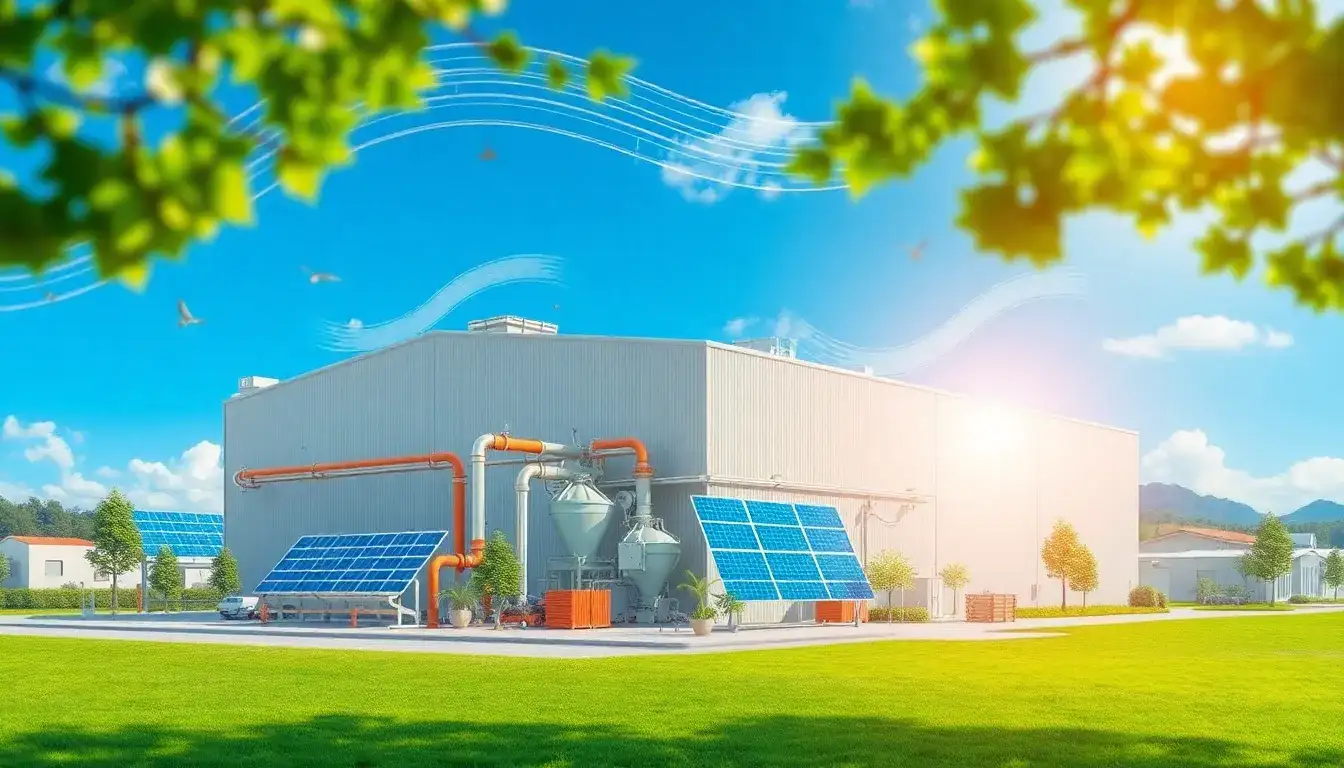
Using airflow processing in photovoltaic (PV) panel recycling offers several environmental benefits:
- Preservation of Material Properties: Airflow processing helps maintain the semiconductor and conductive properties of recycled silicon and metals. This is critical because it enables the effective reuse of these materials, reducing the need for virgin resources and decreasing the demand for new mining and manufacturing processes that have significant environmental impacts.
- Low Waste and Chemical-Free Process: The use of airflow avoids chemical reactions that can occur during heating processes, minimizing waste generation and preventing potential chemical pollution. This helps maintain a cleaner recycling environment and reduces the risk of contamination.
- Efficient Separation and Recovery: Airflow processing facilitates the efficient separation of different components in solar panels, such as backsheets, encapsulants, and cell materials. This ensures that more materials are recovered and recycled, reducing the amount of waste sent to landfills. Efficient recovery of materials like glass and aluminum can also decrease the volume of waste and support a more circular economy in the solar industry.
- Reduction of Greenhouse Gas Emissions: By reducing the reliance on virgin materials and minimizing waste, airflow processing contributes to lowering greenhouse gas emissions associated with mining and manufacturing new materials. This aligns with broader efforts to decrease carbon footprints in renewable energy systems.
Overall, incorporating airflow processing into PV recycling enhances the sustainability of the solar industry by improving material recovery rates, reducing waste, and minimizing environmental impacts associated with solar panel disposal.
Original article by NenPower, If reposted, please credit the source: https://nenpower.com/blog/what-are-the-environmental-benefits-of-using-airflow-processing-in-pv-recycling/

