

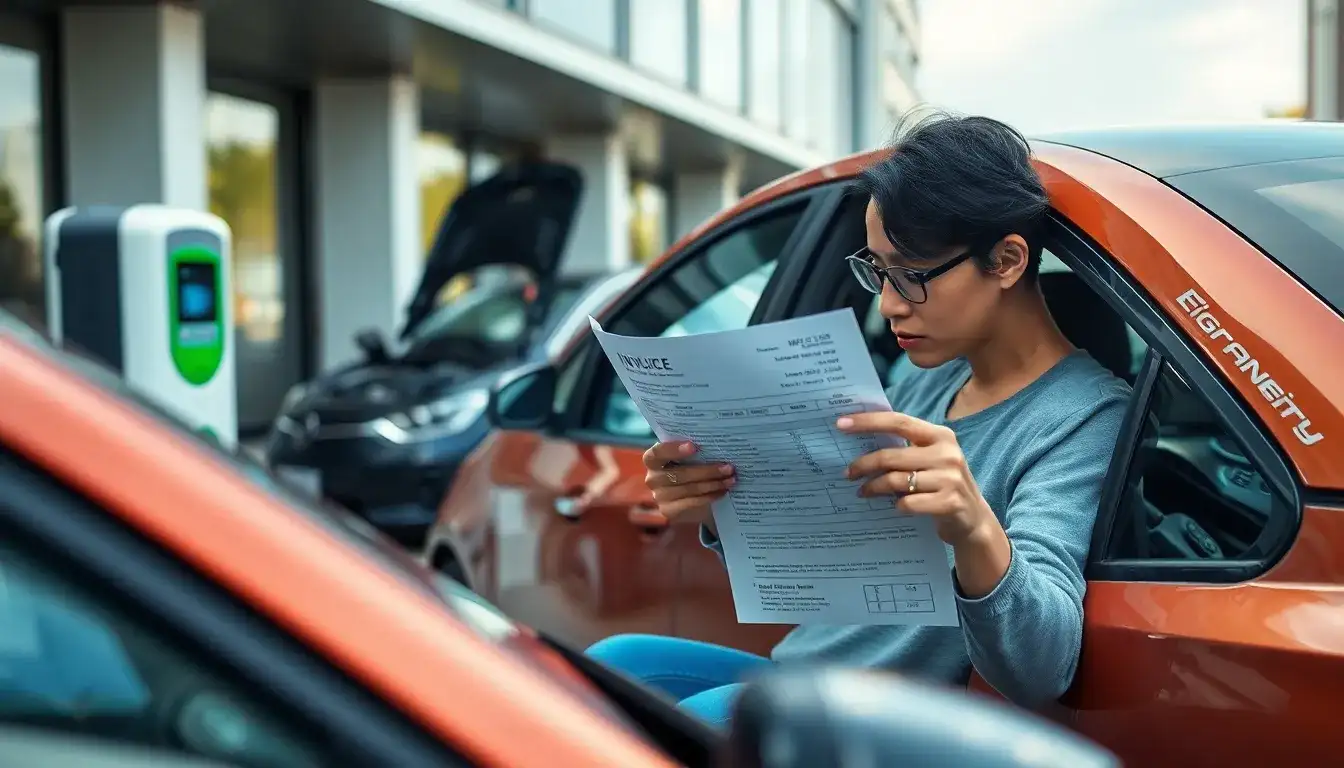
In recent years, the market for new energy vehicles (NEVs) has experienced rapid growth. After surpassing 500,000 units in sales for the first time in 2016, the domestic market crossed the one million mark just two years later, and by 2024, it exceeded ten million units. However, there has been a noticeable fluctuation in the market penetration of NEVs recently, showing a continuous decline. This decline is attributed not only to various external factors but also to emerging concerns regarding the vehicles’ power batteries.
<h2>Power Battery Warranty Issues Trigger a Chain Reaction</h2>
Looking at the development of NEVs in China, the market has rapidly scaled to ten million units in just a few years, with its share continually expanding. However, as the lifespan of these vehicles increases, many models are beginning to face the issue of <b>power battery warranty expiration</b>. According to incomplete statistics, most domestic automakers provide a warranty for the core power battery of NEVs for either eight years or 120,000 kilometers (some manufacturers offer lifetime warranties for the first owner, while others provide eight years for subsequent owners). Companies like <b>Tesla</b>, <b>Volkswagen</b>, <b>Toyota</b>, and <b>BMW</b> fall into this category. As these warranties approach their expiration, many power batteries will either expire or require replacement. Yet, some NEV owners have discovered that the costs for repairing or replacing these batteries often exceed the <b>residual value</b> of their vehicles, and can even surpass the vehicles' original prices. This situation makes it challenging for owners to achieve a satisfactory price when selling their used cars, resulting in economic losses. Additionally, due to the heightened risk associated with aging power batteries, insurance companies frequently raise the premiums for insuring NEVs, further increasing the financial burden on owners. Consequently, some potential buyers are shifting their preferences to internal combustion engine vehicles out of concern for battery durability.

<h2>Common Battery Degradation Issues Cause Owner Anxiety</h2>
The performance of the power battery is crucial as it often determines the overall lifespan of an NEV. However, complaint data from Car Quality Network reveals that abnormal battery degradation has become a widespread problem among NEVs. In 2024, the network received a total of <b>434 complaints</b> regarding abnormal battery degradation, representing <b>16.6%</b> of all quality-related complaints about NEVs. Some owners reported that their NEVs, purchased less than two years ago, had their range drop to under <b>50%</b>, causing significant anxiety among owners due to severe battery degradation.

Currently, some automakers have implemented warranty policies to address battery degradation issues. For instance, one company has introduced a free battery replacement policy that covers all owners without restrictions. This policy is divided into three phases: <b>2 years or 50,000 kilometers</b>, <b>5 years or 100,000 kilometers</b>, and <b>8 years or 160,000 kilometers</b>, corresponding to battery degradation thresholds of <b>15%</b>, <b>25%</b>, and <b>35%</b> respectively. Although this policy aims to alleviate owners' anxiety regarding battery degradation, the determination of whether the degradation meets the specified standards is solely at the discretion of the manufacturer. Furthermore, a vehicle may just exceed the warranty period while still reaching the official degradation threshold, leaving owners without access to free battery replacements, resulting in a sense of helplessness. Additionally, obtaining an authoritative battery health report quickly to support claims is another significant challenge.

To fundamentally address battery degradation issues, extend the lifespan of NEVs, and reduce economic burdens on owners, the government has introduced related policies. Starting in January 2025, the Ministry of Industry and Information Technology, along with multiple departments, will officially implement a new version of the <b>Technical Specifications for Annual Inspection of New Energy Vehicles</b>, which for the first time mandates the safety of power battery systems as a required inspection item. This includes critical indicators such as battery capacity degradation rates, charge and discharge temperature control, and insulation performance, all aimed at improving the safety and reliability of NEVs.

Currently, the repair or replacement of power batteries primarily falls under the control of the after-sales systems established by automakers or battery manufacturers. These companies often restrict third-party service providers from entering the market through technical barriers and system permissions. Due to the technical barriers that automakers maintain regarding power batteries, owners are limited to choosing only official 4S dealerships for repairs or replacements. These dealerships hold pricing power, compelling owners to accept exorbitant repair or replacement costs. If an owner opts for a non-4S channel for battery repair or replacement, it can jeopardize the battery and vehicle warranty, potentially leading to loss of coverage. Furthermore, this may adversely affect battery performance, as manufacturers might disable functions on batteries replaced through third-party channels, rendering the vehicle unusable. In severe cases, safety hazards may arise, such as the inability of third-party batteries to integrate with the vehicle's cooling system, leading to thermal management issues, or inconsistencies in battery cells resulting in performance defects.

Moreover, owners who independently replace batteries with third-party options may face legal repercussions. In one case, a repair shop in Henan replaced a battery in an NEV at the owner's request, only to be sued by the automaker for "illegal modification" and "damaging the computer system." The court ultimately sentenced the technician to six months in prison, confiscated illegal gains, and imposed a fine of <b>80,000 yuan</b>. In another incident, two brothers engaged in automotive electrical repair modified the data of an NEV's battery management system at the owner's request and received the same six-month sentence and confiscation of <b>5,000 yuan</b> in illegal gains. These examples illustrate how automakers maintain a stronghold on power battery after-sales services through technical barriers and data control, creating an absolute monopoly.

Despite the declining costs of raw materials for power batteries (with the price of lithium carbonate dropping from over <b>600,000 yuan</b> per ton in 2022 to approximately <b>76,900 yuan</b> by the end of 2024), the replacement costs for power batteries have not decreased correspondingly. On one hand, automakers typically sell the batteries to consumers at prices above their procurement costs, maintaining absolute pricing power. On the other hand, companies that develop their own batteries invest heavily in research and development each year, driving up the costs of new battery technologies, a significant portion of which is passed on to older vehicle owners who need battery replacements after their warranties lapse. Additionally, as new power batteries may not be fully compatible with older models, the complexities of repairs and replacements have increased, contributing to the persistently high replacement costs.

<h2>Collaborative Efforts in Technology and Policy to Reduce Battery Replacement Costs</h2>
Based on the analysis above, the anxiety experienced by NEV owners largely stems from the conflict between the degradation of power batteries and the vehicle's usage cycle, as well as the discrepancy between battery replacement costs and vehicle residual values. To fundamentally resolve owners' concerns, it is recommended that automakers plan and upgrade power batteries effectively during the research and development process, extending their usable life and facilitating subsequent repairs or replacements. Furthermore, while developing new battery technologies, automakers should retain spare parts for older model batteries to ensure that vehicles can still receive necessary repair or replacement services beyond the warranty period.

For the industry, enhancing the regulation of power battery prices and establishing relevant pricing standards for battery replacements are crucial measures to safeguard owners' rights and promote the healthy development of the NEV industry. The transparency and reasonableness of power battery prices directly impact the interests of owners. Strengthening regulation can ensure that owners benefit from fair and reasonable prices when repairing or replacing power batteries, avoiding economic losses due to information asymmetry or price fraud. When establishing pricing standards, factors such as battery cost composition, market supply and demand, and technological advancements should be comprehensively considered, along with the establishment of a price adjustment mechanism. When technological improvements or cost reductions lead to lower battery prices, price standards should be promptly adjusted to ensure owners can benefit from advancements in technology. Additionally, there is a call for the government to encourage more third-party organizations to participate in battery replacement services through policy measures, without affecting existing warranty rights for NEVs, providing consumers with more diverse service options. The involvement of third-party organizations can not only expand service coverage but also drive innovation and development in battery replacement technologies.

<h2>Conclusion</h2>
As the domestic market for new energy vehicles continues to expand, the issues arising from power battery warranty expirations and replacements have become increasingly prominent, posing significant challenges for NEV owners. Addressing the battery anxiety of NEV owners can be achieved by collaborating on technology optimization, policy guidance, and market mechanism innovation. By controlling manufacturing costs for power batteries, standardizing replacement pricing, and providing more avenues for battery replacement, it is possible to gradually reduce the costs associated with battery repair and replacement and promote the healthy and sustainable development of the new energy vehicle market.
Original article by NenPower, If reposted, please credit the source: https://nenpower.com/blog/rising-costs-and-repair-challenges-create-battery-anxiety-for-electric-vehicle-owners/

