

Renewable Energy Surges, but Grid Crisis Looms as Demand Grows and Policies Shift
By Aaron Larson
Tuesday, July 1st, 2025
The U.S. electric power sector is currently witnessing a significant increase in renewable energy deployment. However, the grid is under growing pressure due to soaring demand and changing federal policies. As data centers and electrification drive consumption to unprecedented levels, aging infrastructure and regulatory uncertainties pose a threat to system reliability.
In 2025, the U.S. electric power industry finds itself at a pivotal moment, contending with a confluence of rising demand, policy changes, and infrastructure limitations that could reshape the sector for years to come. After decades of steady electricity consumption, the grid is now facing an unprecedented demand surge fueled by the rapid expansion of data centers, artificial intelligence (AI) applications, industrial reshoring, and the electrification of transportation and buildings. The North American Electric Reliability Corporation (NERC) anticipates demand increases of 15% for summer peaks and 18% for winter peaks over the next decade—figures significantly higher than previous estimates, primarily driven by the energy needs of the digital economy.
These challenges are echoed by power industry participants globally. In the U.S., this demand surge coincides with a grid that is already stretched thin due to aging infrastructure, workforce shortages, and the complex task of integrating variable renewable energy sources while ensuring reliability. NERC’s latest assessments highlight critical capacity challenges in various regions, warning that inadequate power capacity and transmission bottlenecks could lead to supply shortages during peak periods. The urgency of these reliability concerns has intensified as extreme weather events continue to test the resilience of the system, while the retirement of traditional baseload generation outpaces the introduction of replacement capacity. Recently, the U.S. Department of Energy issued emergency orders to keep fossil fuel generators operational beyond their scheduled retirement dates to avert potential power shortages.
Adding to these operational hurdles is a significant policy shift that began during the Trump administration, introducing considerable uncertainty into long-term planning for utilities and investors. The administration’s focus on fossil fuel development, proposed cuts to renewable energy programs, and withdrawal from offshore wind leasing areas have created a regulatory environment where federal priorities increasingly conflict with state-level clean energy mandates and corporate sustainability goals. This divergence has left industry stakeholders navigating contradictory signals regarding the future of energy policy, investment incentives, and environmental regulations.
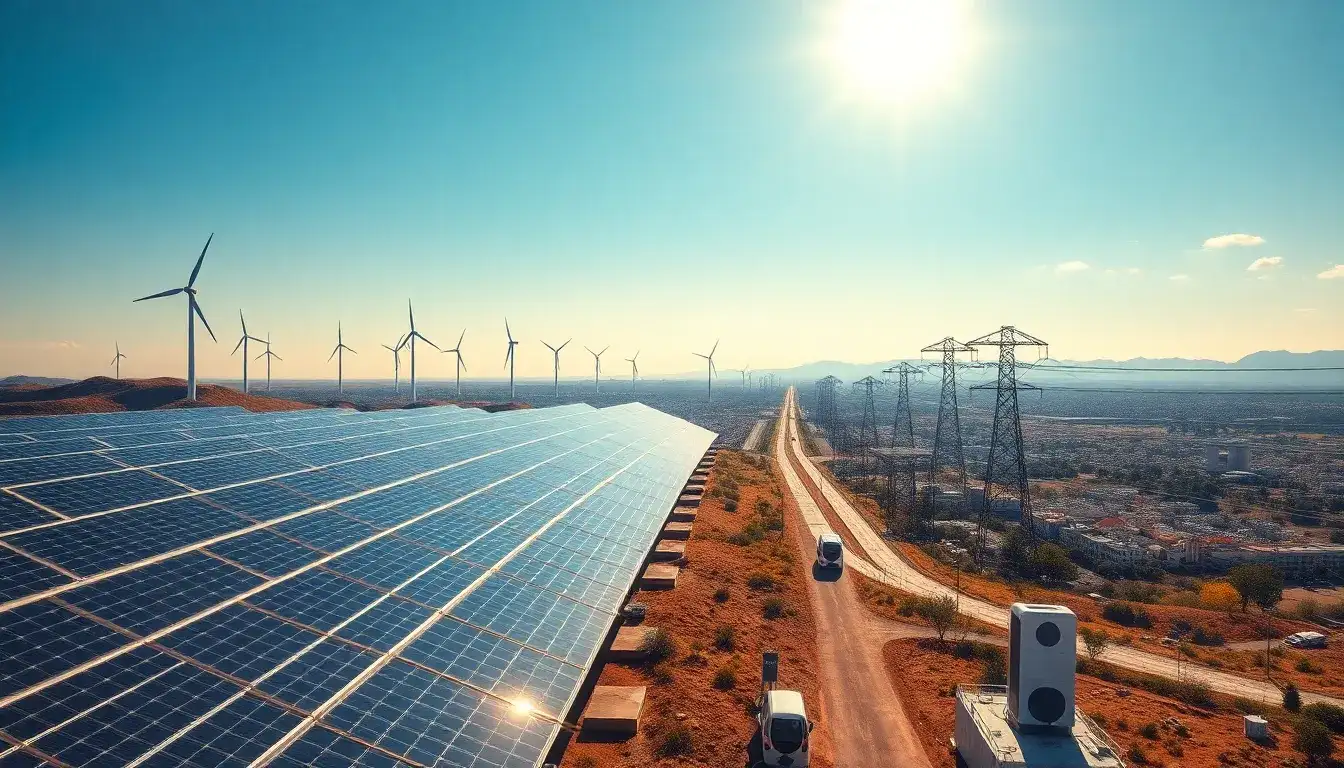
Despite facing challenges from federal policy changes, the renewable energy sector continues to thrive, with solar and battery installations projected to account for 81% of new power generation additions in 2025, according to U.S. Energy Information Administration (EIA) projections. However, this growth faces integration challenges as grid operators work to balance intermittent renewable sources with reliability needs. Furthermore, supply chain disruptions, permitting delays, and rising development costs could hinder deployment timelines. The industry must manage this energy transition while addressing geopolitical risks that have exposed vulnerabilities in critical supply chains for solar panels and grid equipment.
The Green River Energy Center (GREC), a solar-plus-storage project in Emery County, Utah, exemplifies the renewable energy drive. GREC features 400 MWAC of solar photovoltaic capacity and 400 MWAC/1,600 MWh of battery storage, making it one of the largest solar-plus-storage projects under construction in the U.S.
Beyond NERC and EIA estimates, various organizations provide projections that envision diverse futures based on differing views of policies, technologies, prices, and geopolitics. Resources for the Future (RFF), an independent nonprofit research institution in Washington, D.C., released a report in April titled “Global Energy Outlook 2025: Headwinds and Tailwinds in the Energy Transition.” The report applied a detailed “harmonization process” to assess 13 scenarios based on two historical data sources and seven energy outlooks published the previous year. The findings suggest that while low-emissions technologies have benefitted from substantial investments—amounting to a record $2 trillion in clean energy technologies and infrastructure in 2024—significant obstacles remain. Global CO2 emissions are reaching record highs, and the benefits of energy investments are unevenly distributed. Additionally, challenges arise from the new focus on energy security, a shift in U.S. energy and climate policy, and increased electricity demand from emerging technologies like AI.
Under all scenarios outlined in the RFF report, renewable energy sources, primarily wind and solar, are projected to constitute over 50% of electricity generation by 2050. While fossil fuel generation may stabilize or decline, the extent of this reduction will largely depend on the scale of climate ambitions. Notably, although wind and solar are now the most affordable electricity sources in many markets, the majority of solar capacity in U.S. interconnection queues still relies on tax credits. Ryan Luther, Director of Energy Transition Research at Enverus, noted that over 90% of capacity in the Electric Reliability Council of Texas (ERCOT), Midcontinent Independent System Operator (MISO), and Southwest Power Pool (SPP) markets is dependent on federal tax credits, while California’s Independent System Operator (CAISO) queue shows almost no dependence on such credits.
The sweeping energy policy changes initiated during the Trump administration represent one of the most drastic shifts in modern American energy history, fundamentally altering how the nation generates and distributes electricity. Since assuming office, President Trump has declared a “national energy emergency” and enacted a series of executive orders aimed at restoring what he terms “American energy dominance.” This transformation signifies a clear pivot from renewable energy toward fossil fuels and nuclear power, with the administration easing restrictions on coal plants, halting offshore wind development, and expediting permits for oil and gas infrastructure.
The policy changes have financial implications for the energy sector, creating a mixed landscape of winners and losers. Trump’s tariff strategy, which includes imposing 25% duties on steel and aluminum and up to 100% on Chinese-made components like lithium-ion batteries, is driving up costs for essential grid infrastructure and renewable energy projects. Simultaneously, the removal of restrictions on liquefied natural gas (LNG) exports might paradoxically raise domestic electricity prices as more American gas is exported, contradicting Trump’s campaign promise to lower energy costs.
Proposed cuts to renewable energy funding, including $15 billion from the Bipartisan Infrastructure Law and potential rollbacks of the Inflation Reduction Act’s tax credits, could impede the deployment of solar and wind projects just as they become the most cost-effective sources of new electricity generation. Significantly, these policy changes occur amidst surging electricity demand driven by AI data centers and industrial growth. The administration’s focus on reliable baseload power favors dispatchable sources such as coal, gas, and nuclear over intermittent renewables, with nuclear power receiving increased backing.
The ultimate success of these energy policy changes will depend on factors beyond presidential control, such as congressional approval for budget cuts, legal challenges to environmental rollbacks, and the persistent economics of an energy market in which solar and wind continue to be more cost-effective than fossil fuels. While regulatory changes can accelerate fossil fuel development and slow renewable growth, the fundamental market dynamics favoring clean energy remain intact. This scenario is likely to create a more intricate energy landscape where policy challenges clash with economic advantages, potentially leading to higher electricity costs for consumers while the clean energy transition proceeds at a more measured pace than previously expected.
Regarding the impact of these developments on the power industry, Luther emphasized that changes within the U.S. Environmental Protection Agency (EPA) have had the most significant effect. “What that means for existing coal and gas assets is rather than them retiring, they’re staying on longer,” he explained. “It’s not creating as much opportunity for new renewable generation and storage, which is really what is needed to backfill those.” Although the wind power sector has faced significant cuts under the current administration, Luther noted that the industry was already under pressure before Trump took office due to inflation and supply chain issues, leading to a reduction in investment.
—Aaron Larson is POWER’s executive editor.
Original article by NenPower, If reposted, please credit the source: https://nenpower.com/blog/renewable-energy-growth-faces-grid-challenges-amid-rising-demand-and-policy-changes/

