

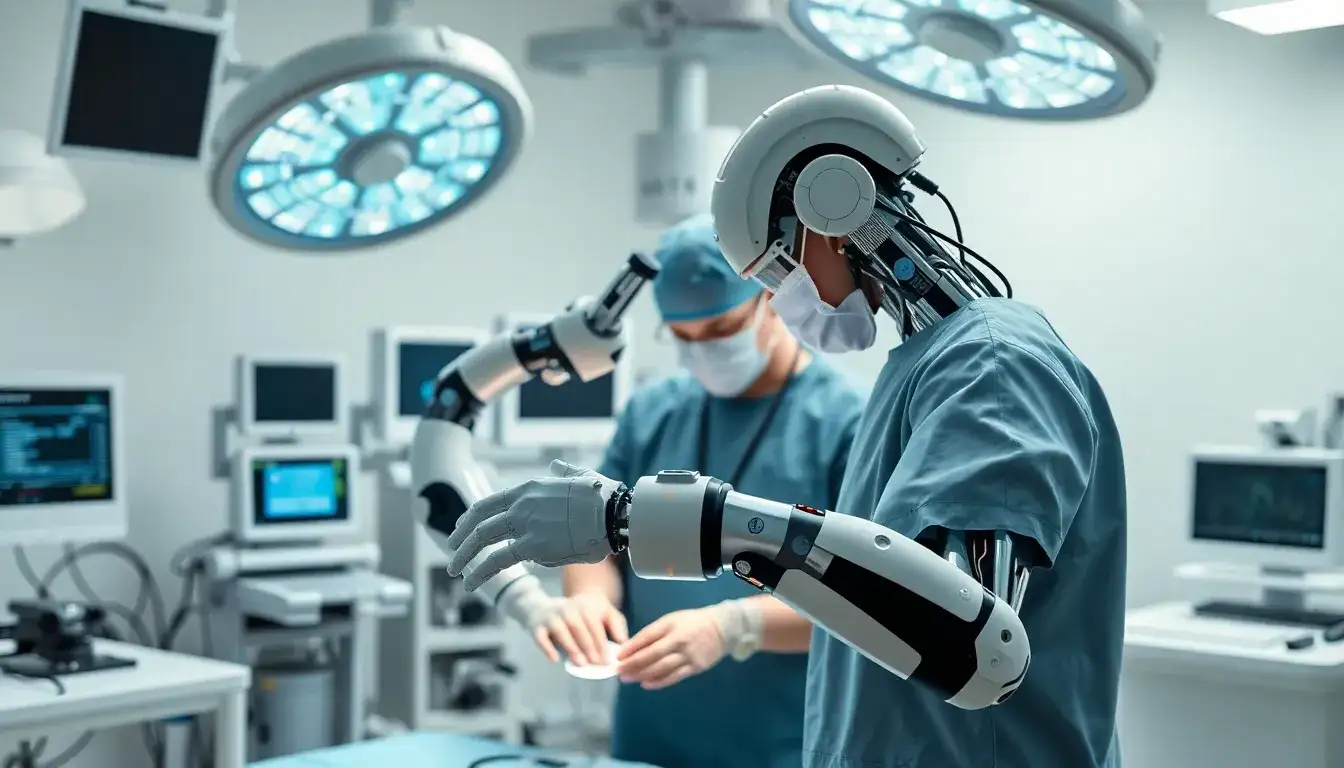
By 2026, the demand for medical robots is expected to experience significant growth. According to a report by the U.S. Medical Robotics Market, published on January 12, 2026, the anticipated surge in the medical robot sector is projected to be substantial. The source of this forecast is a study conducted by Markus Chen, which indicates that by 2030, the U.S. healthcare system may face a shortfall of nearly 1 million healthcare professionals, a gap that is expected to widen in specialized sectors.
The report highlights that by 2035, the number of foreign-trained physicians in the U.S. is expected to decline by 12%, despite an anticipated demand increase of nearly 25%. Globally, factors such as population aging, chronic diseases, and an increasing demand for healthcare services are driving the need for medical robots to fill these gaps. Consequently, our reliance on new medical professionals’ capabilities is becoming critical.
Medical robots are emerging as a vital solution to address this imbalance. In recent years, advancements in robotic technology have already established a foundation for modern medicine, enhancing precision, reducing operational costs, and improving the quality of healthcare services. The year 2026 is seen as a pivotal point, with the medical robotics market projected to exceed $85 billion in total revenue.
Investment in medical robotics has surged, with figures indicating that the market is expected to reach $10 billion by 2025. This growth is propelled by the increasing demand for robotic-assisted surgeries across various healthcare sectors, particularly in surgical applications.
The report outlines several key factors driving the demand for medical robots:
- Technological Advancements – The rapid development of medical robots has made them indispensable in the healthcare system, enhancing surgical precision and improving patient outcomes.
- Increased Demand for Healthcare Services – Due to the aging population and rising chronic diseases, the demand for healthcare services is continuously increasing, leading to a shortage of healthcare professionals.
- Enhanced Efficiency in Medical Procedures – Robotics technology has shown to significantly enhance the efficiency of various medical procedures, allowing for quicker recovery times and reduced hospital stays.
- Integration of Artificial Intelligence – The ongoing integration of AI with medical robots is expected to create a more efficient learning cycle, making them even more effective in clinical applications.
As we look towards 2026, the collaboration between artificial intelligence, medical robots, and specialized healthcare knowledge is likely to evolve, addressing the existing workforce shortages in the field. The future of medical robotics promises significant improvements in precision and efficiency, which are crucial as we navigate the challenges posed by an increasingly demanding healthcare landscape.
Original article by NenPower, If reposted, please credit the source: https://nenpower.com/blog/rapid-growth-of-medical-robotics-expected-by-2026/

