

Following the release of Document 136, the energy sector is now facing another significant regulation with the introduction of Document 394. On April 29, the National Development and Reform Commission (NDRC) and the National Energy Administration (NEA) jointly issued a notice titled “Notice on Accelerating the Construction of Electricity Spot Market” (Fagai Ban Tihua [2025] No. 394). This document mandates that by the end of 2025, the electricity spot market should achieve comprehensive coverage, with continuous settlement operations fully underway. Additionally, it outlines a timeline for the operation of the electricity spot market across 20 provinces. This new regulation follows closely after the impactful 136 document released earlier this year, significantly affecting the energy storage and renewable energy industries. Together, these two documents are expected to accelerate the marketization process of renewable energy.
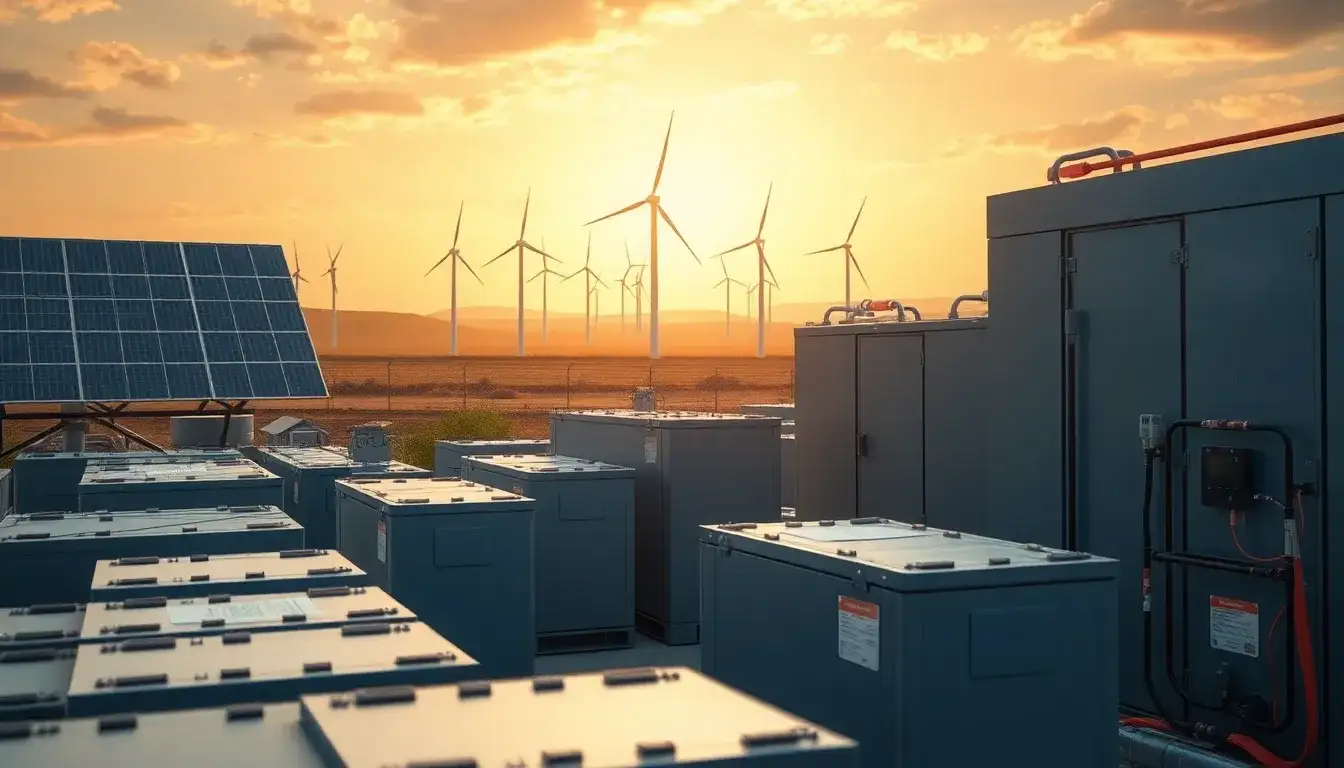
This year, both national and local governments have introduced several crucial policies regarding the energy storage sector. Currently, the industry is experiencing a downturn, characterized by a relentless “price war” and blind expansion amid overcapacity, resembling a cart stuck in a muddy pit; the harder it tries to move, the deeper it gets. The policies introduced this year may help expedite the industry’s clearing process, and after a shakeout, there is hope for a quicker recovery.
Stringent policies have emerged concerning the profitability and safety of energy storage. Shortly after the Chinese New Year in 2025, a significant notice created a stir within the energy storage sector. On February 9, the NDRC and NEA issued the “Notice on Deepening the Market-Oriented Reform of Renewable Energy Grid Pricing to Promote High-Quality Development of Renewable Energy” (Document 136). This policy serves as a sharp tool targeting two significant vulnerabilities in the energy storage sector. First, it halts “mandatory energy storage,” directly addressing the abnormal rapid growth of energy storage installations. Second, it allows for the complete online access of renewable energy, tackling the low utilization rates of energy storage plants. For the sector, Document 136 represents just an appetizer, with subsequent strict regulations rolling out rapidly.
One category of these regulations pertains to electricity pricing for renewable energy. In mid-April, the Jiangsu Provincial Development and Reform Commission released a notice seeking opinions on optimizing the time-of-use electricity pricing structure to promote the consumption of renewable energy and support economic and social development. This document highlights two key points: it introduces an extended low valley period during midday and expands the execution range of time-of-use pricing to include all industrial and commercial electricity users, except for those specifically regulated by the national electrification railway. Additionally, it increases the price difference between peak and valley periods, with peak prices rising by 80% and valley prices dropping by 65% (compared to the current policy, which has peak prices increasing by 71.96% and valley prices decreasing by 58.15%). The new time-of-use pricing is based on the electricity purchase price for users, as opposed to the previous model that used the retail price, making it seem like the peak-valley price gap has widened, while in reality, it has shrunk significantly. The reduction in this price gap and the extension of the low valley period will undoubtedly lead to a substantial decrease in profitability for commercial storage operations that primarily rely on peak-valley arbitrage.
After the document was initially deleted, it was officially published on April 30. Jiangsu is one of the regions in China with the highest profitability for commercial storage, making this policy particularly noteworthy. On April 25, the Jiangxi Development and Reform Commission released a notice soliciting opinions on further optimizing the time-of-use pricing mechanism, which closely resembles Jiangsu’s policy. Although it appears to widen the peak-valley price difference, the actual price difference is reduced since only the agent’s purchase price is considered for fluctuations, while transmission and distribution costs remain fixed.
In addition to changes in electricity pricing, there are stringent regulations regarding energy storage safety. On April 21, the East China Energy Regulatory Bureau published a draft notice for the “Project Plan for Enhancing the Fundamental Safety of Electric and Electrochemical Energy Storage Stations”, which has been dubbed the strictest safety regulation in the energy storage sector. This document establishes critical safety standards that could determine the survival of many energy storage companies and plants. It prohibits any entity that has experienced a safety incident within the past year from participating in the construction of electrochemical energy storage stations. By the end of 2025, any facility not compliant with national standards for energy storage batteries or fire safety systems must cease operations. Furthermore, starting January 2026, any new electrochemical energy storage station must pass quality inspections and fire safety checks before commencing operations. The document also strictly prohibits the deployment of energy storage stations in crowded places, high-rise buildings, underground facilities, or flammable and explosive locations.
The documents mentioned are just a few examples of the new policies introduced this year. In the near future, similar regulations are likely to emerge, imposing stricter requirements and lower profitability on the energy storage industry. Industry professionals should prepare for this evolving landscape.
With the frequent issuance of stringent energy storage policies, there has been a notable increase in project delays and order cancellations. On the evening of April 25, Kexin Technology (SZ: 300565) announced that its subsidiary Kexin Juli had not met expectations in fulfilling framework contracts with three major domestic and international clients due to changes in market conditions, raw material prices, and customer demand forecasts. The announced framework contracts involved battery cells and lithium battery products, amounting to a total of 910 million yuan. Notably, Kexin Technology’s total revenue for 2024 is only expected to be 557 million yuan, underscoring the significance of these contracts. The company also mentioned a delay in the execution of a planned 360 million yuan fundraising project aimed at the development and industrialization of energy storage lithium battery systems. This delay is attributed to significant fluctuations in energy cell and material prices, intensified competition due to changes in overall market supply and demand, the emergence of new technologies, and increasingly high customer requirements for product performance and customization.
Similarly, in April, companies like Huazi Technology (SZ: 300490) and Guoanda (SZ: 300902) also announced delays in their energy storage projects. Huazi Technology postponed an integrated “photovoltaic + storage” industrial park project, while Guoanda slowed the overall construction progress of its lithium battery storage cabinet fire prevention and inerting system expansion project. The aforementioned postponed or canceled energy storage projects represent only the tip of the iceberg, as many smaller projects remain unreported.
Companies often cite market environmental factors as reasons for project cancellations or delays. The current energy storage market is highly competitive, and an “elimination round” has begun. Industry predictions suggest that up to 80% of companies may not survive. There are two types of elimination rounds: one driven by survival of the fittest, and the other where “bad currency drives out good.” Currently, many energy storage manufacturers are engaged in a price war, causing prices along the energy storage supply chain to plummet, with battery cells and storage systems nearing or falling below cost price. This scenario clearly reflects the “bad currency driving out good” phenomenon, leading the industry into a crisis.
On a positive note, the significant policies introduced this year are driving the energy storage industry’s elimination from a “bad currency driving out good” approach towards a “survival of the fittest” model. For example, the issuance of Document 136 will expedite the removal of products and companies that rely solely on low prices without ensuring quality. The time-of-use pricing policies in Jiangsu and Jiangxi will push less profitable products out of the market. The stringent safety regulations will accelerate the exit of companies that prioritize initial investment cost reductions through subpar components, neglecting long-term benefits.
Under the guidance of these successive impactful policies, the energy storage sector may experience an accelerated clearing process. The occurrence of project suspensions, delays, and even order cancellations may soon become commonplace. However, as inefficient and outdated production capacities are phased out, the industry can finally transition into a phase of high-quality development.
Original article by NenPower, If reposted, please credit the source: https://nenpower.com/blog/new-policies-target-energy-storage-sectors-weaknesses-amid-ongoing-market-challenges/

