

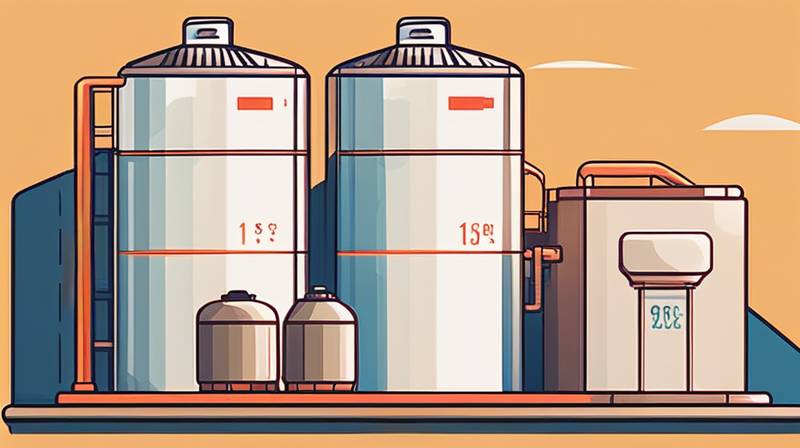
1. Grain storage tanks can store food for an extended duration, typically spanning 1 to 20 years, depending on several factors including storage conditions, type of grain, and quality of the tank. 2. Technology advancements in storage have introduced systems that can significantly preserve food quality. 3. Regular monitoring and maintenance can prolong the lifespan of stored grains and enhance food safety. 4. Overall storage efficiency can be achieved through optimal practices in grain handling, which reduces spoilage and waste.
1. UNDERSTANDING GRAIN STORAGE TANKS
Grain storage tanks are essential structures designed to hold various types of grains, including cereals, pulses, and oilseeds. These tanks prevent spoilage and keep the grains safe from pests, moisture, and other deteriorating factors. The ability of these tanks to store food effectively over extended periods is influenced by multiple elements. Grain type plays a crucial role, as some grains are naturally more resilient than others. For instance, whole grains like wheat or barley can remain in storage for several years without substantial quality degradation, while others may require tighter controls or shorter durations. The specific characteristics of each grain, including moisture content and oil levels, affect the permissible storage duration.
In addition to grain type, another significant factor is the storage environment and conditions. Ideal temperatures, humidity levels, and aeration can extend storage life considerably. Tanks designed with climate control features can regulate these conditions more effectively, thereby promoting longer storage periods. Understanding these dynamics equips grain handlers and farmers with the knowledge to optimize their storage systems.
2. DURATION OF STORAGE CAPACITY
2.1. FACTORS AFFECTING STORAGE TIME
The storage life of grains in a tank is influenced by various critical factors. Moisture content is a primary contributor that determines shelf life; if grains are stored with higher moisture levels, they are more susceptible to spoilage and the growth of mold. For instance, grains like corn should ideally have a moisture content of 15% or lower for longer-term storage. Temperature also plays a vital role; grains stored in cooler environments generally fare better, with lower risks of pest infestation and microbial growth.
Furthermore, type of storage structure also greatly influences grain preservation. For example, metal silos and concrete bins can provide optimal protection against external elements compared to traditional wooden structures. Innovations like sealed storage tanks or hermetic systems significantly reduce the presence of oxygen, thereby inhibiting the growth of insects and molds. Addressing these factors through appropriate management strategies can maximize the viability of stored grains.
2.2. TYPICAL STORAGE DURATION FOR COMMON GRAINS
When discussing the common types of grains and their storage durations, a concise understanding is crucial. For example, wheat can typically be stored for 10 years if conditions are managed correctly. On the other hand, rice can endure about 6 to 12 months, depending largely on its processing and storage techniques. Similarly, corn has a shelf life of around 12 months under optimal conditions, but this can extend significantly with careful management practices.
Vegetable-derived grains such as soybeans have a recommended storage range of 6 to 12 months as well, but if properly dried and sealed, their life can increase. Thus, a proper understanding of the general lifespan of each type of grain, along with the corresponding optimal conditions, can greatly enhance storage strategies and practices for various producers.
3. TECHNOLOGICAL ADVANCEMENTS IN STORAGE
3.1. INNOVATIVE STORAGE SOLUTIONS
The evolution of technology has significantly altered how grains are stored, leading to more efficient and safer practices. Hermetic storage systems, which create airtight conditions, help to maintain low oxygen levels inside storage tanks, thus deterring pests and fungi effectively. The integrated anemometers and temperature sensors allow for real-time monitoring, providing operators with insights into necessary adjustments for maintaining ideal conditions. These advanced technologies have changed traditional perspectives, allowing for extended storage times that were previously unattainable.
Moreover, the infusion of digital technologies such as IoT (Internet of Things) devices enables farm managers to remotely monitor storage conditions. This level of oversight facilitates prompt interventions before spoilage or degradation can occur, thereby enhancing food safety and minimizing loss. With the consistent advancement in storage technologies, food preservation for the long term has reached unprecedented levels of reliability and efficiency.
3.2. LONG-TERM FOOD SECURITY
In the context of enhancing long-term food security, these developments in grain storage technology play a vital role. Extended storage capability ensures that production surpluses can be saved and utilized during periods of scarcity, thereby stabilizing prices and providing consistent food availability. Countries with robust grain storage infrastructure are better positioned to manage food supply chains strategically, reducing vulnerabilities to climate and economic fluctuations.
The improvement of grain storage techniques also aligns with global sustainability goals. By ensuring that grains remain intact and consumable for extended periods, wastage is drastically lowered. Innovative methods not only contribute to better economic performance for farmers but also play an integral part in addressing food insecurity across different demographics.
4. REGULAR MAINTENANCE AND MONITORING
4.1. IMPORTANCE OF MAINTENANCE
To maximize the lifespan of stored grains, regular maintenance of storage tanks cannot be overlooked. Scheduled inspections can identify potential issues such as leaks, pest infestations, or structural weaknesses. Implementing comprehensive pest management strategies is vital; proactive approaches can prevent infestations before they escalate into serious problems. The importance of maintaining ideal humidity levels cannot be understated, as even small deviations can lead to adverse outcomes.
Routine cleaning of tanks and equipment ensures that residues from prior batches do not contaminate new ones. Implementing stringent quality control measures as part of the maintenance routine safeguards against spoilage during the storage duration. Thus, proper upkeep enhances both the efficiency and effectiveness of grain storage solutions.
4.2. MONITORING STRATEGIES
Effective monitoring strategies encompass a multi-faceted approach involving not just technology but also human oversight. Establishing a monitoring schedule helps ensure that grain conditions remain within set parameters, while integrating automated alerts can prompt timely interventions when deviations arise. Utilizing software solutions that analyze historical data regarding temperatures and humidity levels can provide valuable insights, informing decisions on adjustments needed.
Moreover, engaging trained personnel skilled in grain storage management contributes greatly to success. These specialists can interpret data and effectively troubleshoot issues, ensuring the longevity of stored grains. This robust monitoring combined with a dedicated management team forms a resilient foundation for long-term grain preservation strategies.
5. EFFECTS OF POOR STORAGE PRACTICES
5.1. DETRIMENTAL IMPACTS OF INADEQUATE PRACTICES
Poor storage practices can have profound detrimental impacts on both the quality of grains and the economic sustainability of those involved in their production. High moisture levels can lead to spoilage and create conditions ripe for mold growth, while pest infestations can rapidly reduce the amount of usable grain. Such issues carry financial ramifications, as reduced quality grains fetch lower market prices, ultimately affecting farmers’ bottom lines.
Moreover, grains that become contaminated through inadequate storage practices can pose food safety risks. Practicing insufficient pest management increases the likelihood of residues in food products, leading to potential health hazards for consumers. Thus, the repercussions of neglecting proper storage practices extend beyond the immediate economic impacts, highlighting the importance of proactive management efforts.
5.2. LONG-TERM ECONOMIC IMPLICATIONS
The financial implications of poor grain storage are particularly concerning when viewed through a long-term lens. Business sustainability becomes severely challenged when high rates of spoilage put pressure on profit margins. Retaining the integrity of stored grains not only maintains economic viability but also fosters increased trust between producers and consumers.
Inconsistencies in grain quality due to poor storage practices can damage brand reputations. A loss of consumer trust is often difficult to recover in competitive markets, emphasizing the need for stringent adherence to best practices in grain storage. These realities underscore the importance of proper systems and education in enhancing economic resilience at all levels of grain production and storage.
FAQ
HOW DOES MOISTURE CONTENT AFFECT GRAIN STORAGE?
Moisture content is a significant concern in the storage of grains as it directly correlates with the potential for spoilage and the growth of harmful microorganisms. Grains stored with higher moisture levels are susceptible to mold and fungal growth, which can produce mycotoxins. These toxins are hazardous to human health and can render grains unfit for consumption. Generally, grains should be dried to an optimal moisture content — usually between 12% to 15% depending on the type — to prolong their shelf life. Along with moisture, factors such as storage temperature also compound storage challenges, as warmer conditions can further exacerbate moisture-related issues.
Maintaining ideal moisture levels requires meticulous monitoring and management. This may involve using grain drying systems and humidity control measures during the initial storage phases. As grain handlers become more proactive in these practices, they can minimize decay and preserve grain quality effectively. In summary, monitoring moisture content is crucial in enhancing the lifespan and safety of stored grains.
WHAT TYPES OF GRAINS STORE LONGER THAN OTHERS?
Not all grains are created equal when it comes to storage capability. Certain grains possess inherent properties that allow for longer shelf lives under typical storage conditions. For example, whole grains such as hard wheat can typically last 10 years or longer when stored properly, given their lower oil content and resilience against pests. In contrast, grains like corn may only last around 12 months if not adequately dried.
Other factors come into play as well, including the grain’s initial quality at harvest and processing methods used before storage. Grains that have undergone thorough drying, along with the removal of damaged seeds, tend to store longer. Thus, producers must assess these characteristics actively to categorize their grains effectively and plan storage durations accordingly. Understanding these differences is imperative in optimizing grain storage management.
HOW CAN I IMPROVE THE CONDITION OF STORING GRAINS?
Improving the condition of stored grains encompasses multiple aspects of management, underscoring the importance of targeted strategies. Implementing comprehensive pest control systems is crucial, as integrated pest management practices help in minimizing infestations. This may involve using traps, monitoring systems, and even employing natural predators to maintain low pest populations. Additionally, maintaining optimal humidity and temperature levels is essential; the right climate control mechanisms can drastically impact grain preservation.
Furthermore, routine inspections and maintenance can unearth potential issues before they escalate. Regularly assessing storage conditions, conducting thorough clean-outs, and using appropriate aeration techniques contribute significantly to improving stored grain conditions. Continuous education on modern storage technologies and best practices can empower producers to ensure their grains remain in optimal condition, ultimately enhancing their quality and longevity.
The longevity of food stored in grain storage tanks is a multifaceted issue impacted by numerous variables including the type of grain, storage conditions, technological advancements, and regular maintenance practices. Effective grain storage can indeed stretch from a solitary year to nearly two decades, subject to adherence to optimal moisture levels and pest management practices. Every type of grain has its own unique storage profile; for instance, grains such as wheat can be preserved for about 10 years when correctly managed, while others such as rice exhibit varying durability from 6 to 12 months. To enhance grain storage capacity, recent innovations like hermetic storage systems and IoT devices promote longevity, drastically reducing the risk of spoilage. Alongside these advancements, the significance of vigilant monitoring, prudent maintenance, and tailored pest management strategies cannot be overstated, helping to sustain grains over extended periods. Inevitably, understanding the principles of effective grain storage fosters not just food safety but also supports economic viability in agricultural practices. Embracing the interplay of technology and traditional knowledge in grain storage paves the way for a reliable food supply system that is resilient and sustainable in the face of changing climatic and economic landscapes. Through diligent efforts and informed practices, the lifespan of stored grains can be significantly enhanced, ultimately contributing to food security and sustainability in agricultural practices going forward.
Original article by NenPower, If reposted, please credit the source: https://nenpower.com/blog/how-many-years-can-a-grain-storage-tank-store-food/

