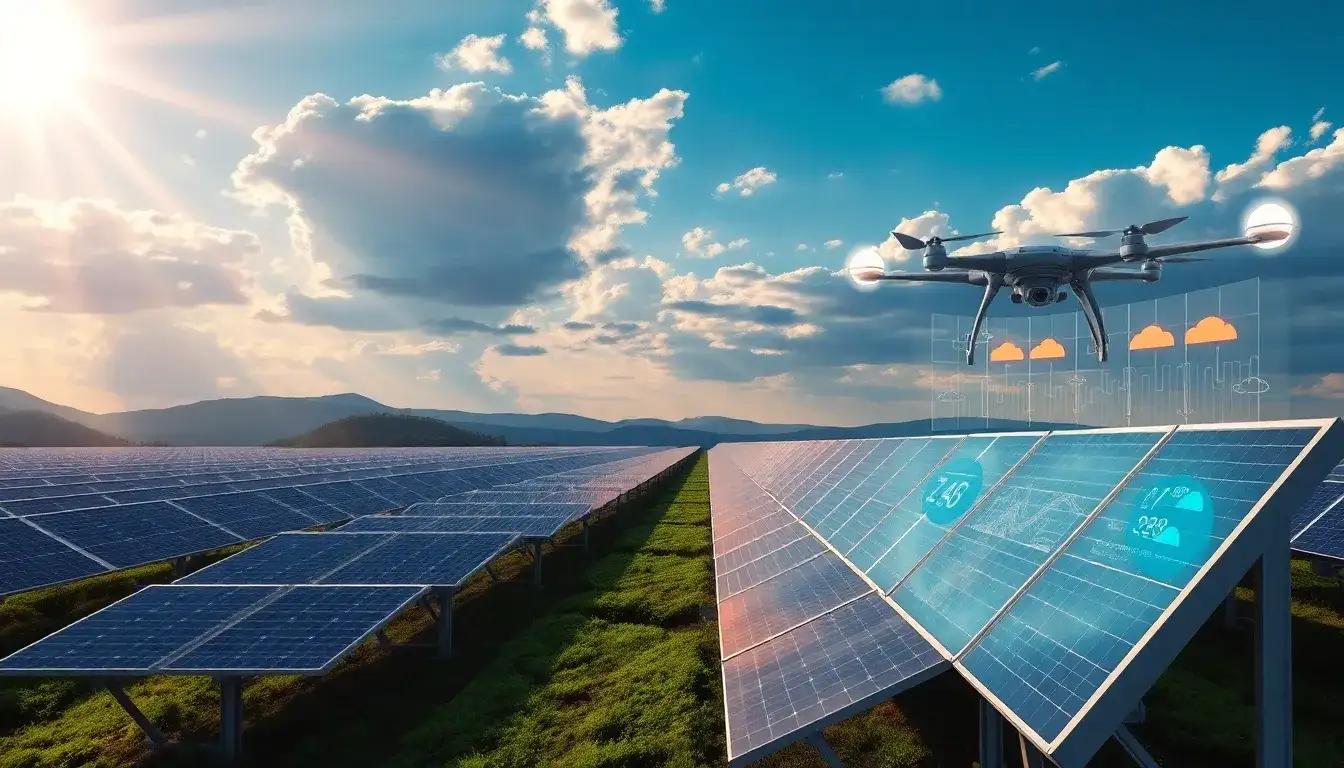
AI-based weather forecasting significantly enhances the reliability of solar energy systems by improving the accuracy and timeliness of solar power generation predictions. This impact unfolds through multiple interrelated benefits:
Enhanced Forecast Accuracy and Granularity
- AI-powered weather models leverage machine learning to analyze vast, diverse datasets including real-time satellite imagery, historical weather data, and environmental sensors to predict factors like cloud cover and solar radiation with much greater precision than traditional statistical or persistence models.
- These AI forecasts reduce solar power prediction errors by up to 30% compared to older methods, enabling more reliable short-term and day-ahead forecasts critical for solar energy management.
Improved Grid Stability and Efficiency
- With better solar forecasts, grid operators can balance electricity supply and demand more effectively, reducing risks of outages or overreliance on fossil fuel backup plants.
- AI models allow real-time dynamic adjustments to grid operations by anticipating fluctuations caused by weather changes, thereby enhancing grid stability as solar output varies throughout the day.
Optimized Solar Plant Operations and Maintenance
- AI can optimize solar farm operations by scheduling maintenance during predicted low-production periods, maximizing solar asset uptime and energy yield.
- Predictive maintenance powered by AI detects inefficiencies or faults early, minimizing downtime and improving long-term system reliability.
Economic and Environmental Benefits
- More accurate forecasting reduces waste and inefficiencies in energy storage and trading, leading to cost savings for providers and consumers alike.
- By decreasing the need for fossil fuel-powered backup generation through better prediction of solar output, AI contributes to lowering carbon emissions and supporting the transition to clean energy.
Technological Advances in AI Weather Forecasting
- AI weather forecasting systems, such as those developed by Google and others, produce highly accurate, probabilistic forecasts faster and more cheaply than traditional physics-based numerical models, enabling broader access worldwide.
- Cutting-edge AI models continue to evolve, aiming to rely increasingly on observational data alone, which could further improve forecast resolution and accuracy in the future.
Summary: AI-based weather forecasting elevates solar energy system reliability by delivering more accurate, timely, and actionable predictions of solar power generation. This enables smarter grid management, optimized solar plant operations, cost efficiencies, and a reduction in fossil fuel dependency, all of which are crucial for advancing renewable energy integration and a sustainable energy future.
Original article by NenPower, If reposted, please credit the source: https://nenpower.com/blog/how-does-ai-based-weather-forecasting-impact-the-reliability-of-solar-energy-systems/