

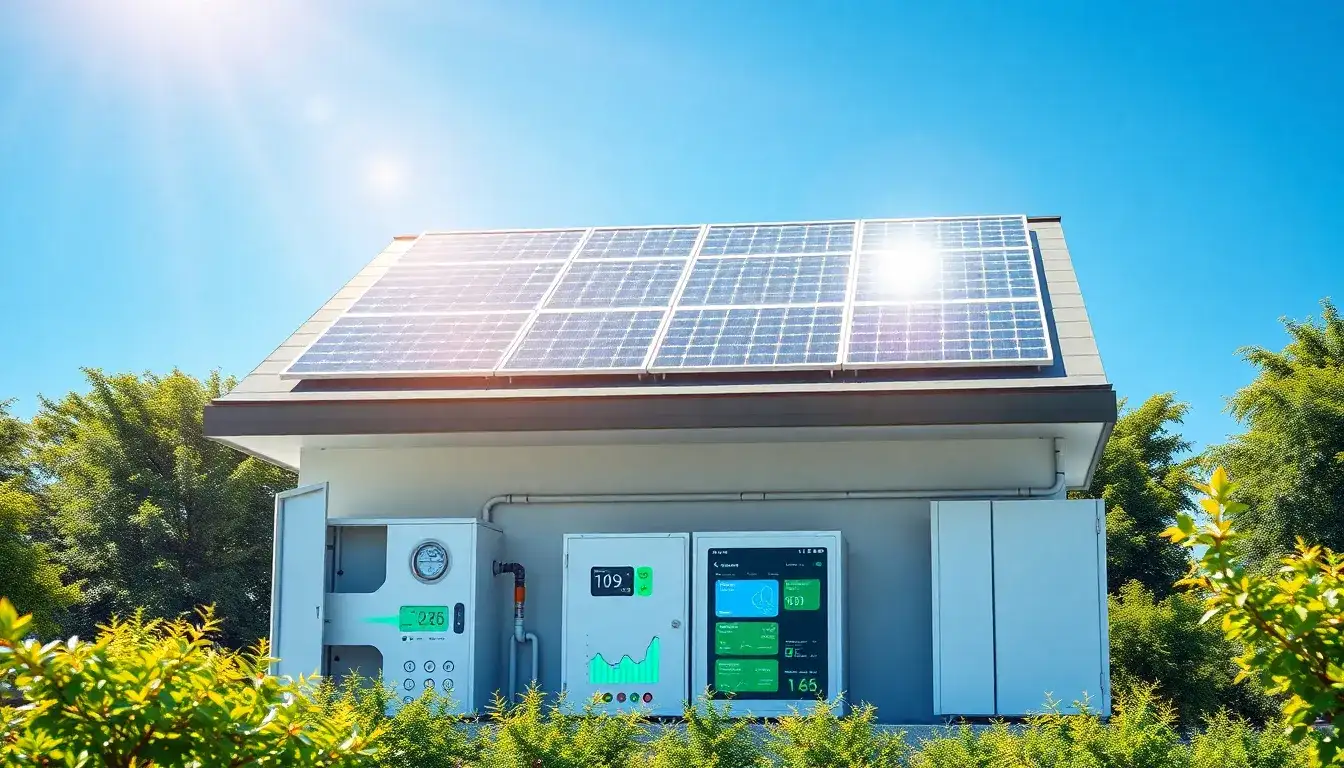
Smart solar technologies integrate with existing solar battery systems by incorporating advanced, intelligent features that optimize energy production, storage, and usage. These integrations primarily involve smart battery monitoring, AI-powered energy management, and seamless interaction with the grid and home energy systems.
Key Integration Features of Smart Solar Technologies with Battery Systems
1. AI-Powered Battery Management and Energy Optimization
Modern smart solar battery systems leverage artificial intelligence and machine learning algorithms to continuously analyze data such as weather forecasts, electricity prices, and historical energy consumption. This enables intelligent decisions on when to charge batteries, when to use stored energy, and when to export excess power back to the grid. For example, the system may pre-charge batteries before cloudy days or increase grid export during peak price periods, thereby maximizing efficiency and economic returns. Additionally, AI helps monitor battery health, optimizes charging cycles, and predicts maintenance needs to extend battery lifespan.
2. Advanced Battery Monitoring Systems
Smart solar battery solutions feature sophisticated monitoring tools that convert raw data into actionable insights. These systems track performance metrics, state of charge, and health of the batteries in real time. By providing detailed information and alerts, battery monitoring ensures optimal operation, prevents failures, and maximizes the return on investment for solar energy storage.
3. Integration with Smart Home and Grid Systems
Smart solar battery systems are designed to integrate seamlessly not only with solar panels but also with smart home devices and smart grids. Through intelligent load management, these systems can adjust energy consumption patterns within a household, prioritizing stored solar energy use when advantageous. On a larger scale, smart grids enable the integration of distributed energy resources, including residential solar-plus-storage setups, to enhance grid stability and resilience. This facilitates reliable energy supply by balancing intermittent solar generation with battery storage and dynamic grid interaction.
4. Enhanced User Interfaces and Predictive Insights
These technologies provide user-friendly dashboards that display real-time data and predictive analytics. Homeowners and businesses can make informed decisions on energy management strategies, such as when to consume, store, or sell solar energy, thus optimizing system performance and reducing carbon footprint.
Summary Table
| Aspect | Smart Solar Battery Integration Features |
|---|---|
| Energy Management | AI algorithms optimize charging/discharging based on weather, usage, prices |
| Battery Monitoring | Real-time tracking of state of charge, health, performance insights |
| Grid Interaction | Seamless integration with smart grids for stability and distributed energy |
| Smart Home Integration | Coordinated load management with smart devices for efficient consumption |
| User Engagement | Predictive analytics and dashboards for informed energy decisions |
| System Longevity | AI predicts maintenance and adapts to environmental conditions |
Smart solar technologies thus revolutionize traditional solar battery systems by turning them into intelligent, adaptive energy hubs that enhance efficiency, reliability, and economic return while supporting grid stability and sustainable energy goals.
Original article by NenPower, If reposted, please credit the source: https://nenpower.com/blog/how-do-smart-solar-technologies-integrate-with-existing-solar-battery-systems/

