

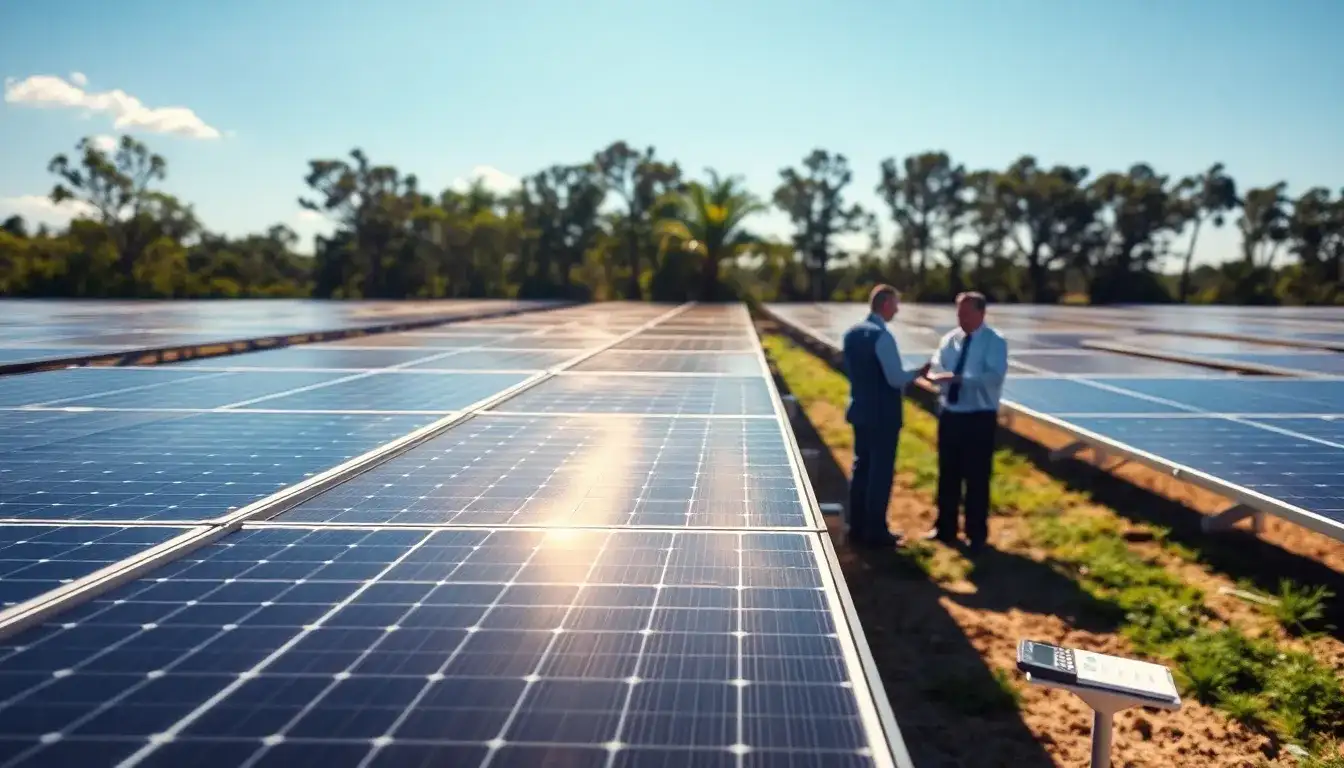
FPL Proposes Rate Increases Due to Growth and Solar Energy Needs
TALLAHASSEE – Florida Power & Light (FPL) has filed a proposal that could lead to increased electric bills for customers over the next four years. The utility cites factors such as population growth and the necessity for more solar-energy facilities as key reasons for this request.
The base-rate proposal, submitted to the Florida Public Service Commission, outlines planned increases of $1.545 billion in 2026 and $927 million in 2027. Additionally, FPL intends to pass on costs to customers in 2028 and 2029 for solar and battery-storage projects.
The proposal notes, “Continued growth and the need for additional generation are among the principal drivers of FPL’s increased revenue requirements.” FPL anticipates adding approximately 335,000 new customers by the end of 2029. To accommodate this growth and ensure reliable service, the utility must invest in generation, transmission, and distribution infrastructure. “Each of FPL’s new customers deserves the same outstanding reliability and low bills that existing customers have long experienced,” the proposal emphasizes.
In December, FPL had sent a letter to the Public Service Commission detailing its intentions to seek base-rate increases. However, the recent proposal is more comprehensive and will initiate a lengthy rate case, concluding with a decision from the regulatory commission. FPL is currently operating under a four-year rate plan that is set to expire at the end of 2025.
Base rates constitute a significant portion of customers’ monthly bills, in addition to costs like power-plant fuel. The commission will review extensive information and conduct hearings in the upcoming months. The state Office of Public Counsel, which advocates for consumers, along with various business and consumer groups, has indicated they will participate in the FPL case.
In a petition to intervene, the Southern Alliance for Clean Energy (SACE) expressed concern that “costs will be borne by FPL customers through their power bills, including FPL customers that are SACE members.” The petition further stated that this proceeding would allow SACE and others to assess the prudency of FPL’s investments and expenses before costs are passed on to customers.
Typically, utilities use a benchmark of residential customers who consume 1,000 kilowatt-hours of electricity monthly when discussing bills. In recent years, FPL has maintained different rates for customers in its traditional service area and those in Northwest Florida, previously served by Gulf Power Company.
Currently, FPL customers in the traditional service area who use 1,000 kilowatt-hours a month pay $134.14. Under the proposed changes, this amount is projected to increase to $142.37 in 2026, $148.29 in 2027, $149.93 in 2028, and $151.99 in 2029. For FPL customers in Northwest Florida, the current rate is $143.60, which would rise to $147.10 in 2026, and subsequently to $148.29 in 2027, $149.93 in 2028, and $151.99 in 2029.
The proposal outlines plans for upgrading power plants and adding numerous solar facilities. Specifically, it anticipates building 1,490 megawatts of solar projects in 2028 and 1,788 megawatts in 2029, alongside battery-storage facilities.
A significant point of contention in the rate case is likely to be FPL’s proposed return on equity, which is a crucial profitability metric. The commission typically approves a range of allowable returns, including a midpoint. FPL seeks a midpoint of 11.9 percent, citing the need to attract investor capital. In contrast, the commission approved a 10.5 percent midpoint in a recent rate case for Tampa Electric Company.
The FPL proposal states, “Maintaining a strong financial position under all market conditions, good and bad, is critical for an essential service provider with an obligation to serve.” It emphasizes that FPL’s financial stability allows it to maintain service and access beneficial capital, which in turn keeps borrowing costs low and ensures competitive returns that encourage continued investment.
However, various groups have quickly criticized FPL’s proposed return on equity and overall rate increase request. Yoca Arditi-Rocha, executive director of The CLEO Institute, a nonprofit focused on climate issues, remarked, “Monopoly utilities should not be making excessive profits at the expense of families and businesses struggling to make ends meet.”
Original article by NenPower, If reposted, please credit the source: https://nenpower.com/blog/fpl-proposes-rate-hikes-to-support-growth-and-solar-energy-expansion/

