

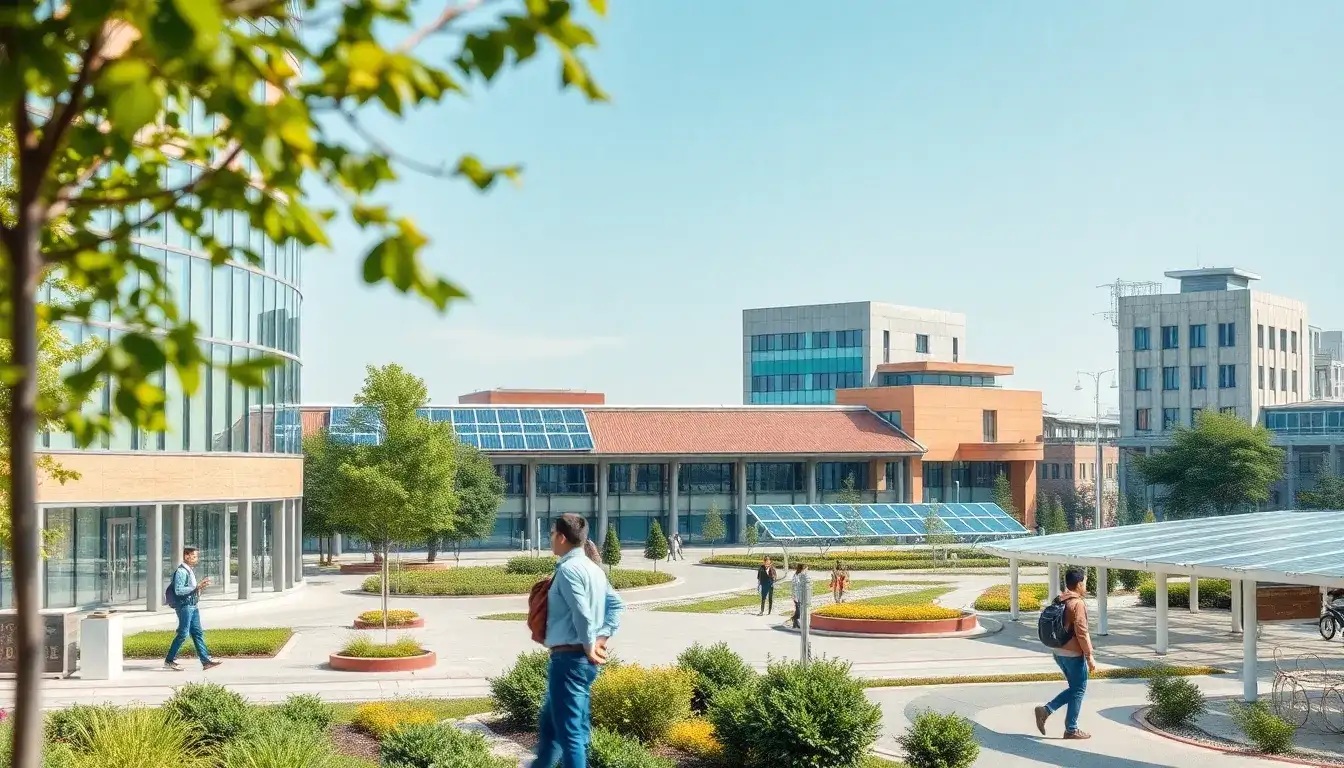
Dayeh University has made significant strides in energy savings, achieving a reduction of approximately NT$7.8 million in electricity expenses over the past three years. This initiative is part of their commitment to intelligent energy conservation and contributes to the broader goal of achieving net-zero carbon emissions.
With vibrant ecosystems including native forests and wetlands, Dayeh University has transformed its campus into a green educational space. Under the leadership of President Fang Wen-chang, the university has garnered recognition for its efforts, receiving the Energy Efficiency Benchmark Award from the Ministry of Economic Affairs multiple times, including a gold award last year.
In response to climate change and the push for net-zero carbon emissions, Dayeh University has implemented smart energy-saving measures, resulting in a remarkable reduction of over 2.24 million kilowatt-hours of electricity, which translates to a reduction of more than 1,000 tons of carbon dioxide emissions. This achievement is comparable to the annual carbon absorption of 2.7 Daan Forest Parks.
The university has adopted the ISO 14001 environmental management system and the ISO 50001 energy management system, establishing rigorous energy performance indicators that align with international standards. They have also received governmental support for various initiatives, including the implementation of intelligent lighting systems.
Dayeh University has developed a comprehensive smart energy management system that allows for real-time monitoring of electricity usage. This transparency enables the university to maximize energy efficiency. Additionally, they have automated the shutdown of unused classroom power to prevent unnecessary energy consumption.
In terms of water conservation, the university has installed a smart water monitoring system to track daily water usage across campus buildings. Any irregularities can be promptly addressed to prevent wastage. Furthermore, a rainwater recycling system has been established for irrigation and cleaning, promoting effective water resource management.
Dayeh University also promotes sustainable transportation options, providing shuttle services to nearby urban areas, which reduces carbon emissions and enhances safety for students commuting to campus. They have introduced a 525 Student Shuttle Project that encourages students living within a 5-kilometer radius to utilize shuttle services, significantly decreasing the likelihood of motorcycle accidents.
In alignment with the United Nations SDGs for sustainable development, the university has created a practical field on campus that incorporates various sustainability initiatives, such as water recycling systems and renewable energy themes. They aim to extend these energy-saving actions beyond campus to foster an environmentally friendly community.
Looking towards the future, President Fang expressed the aspiration to achieve a green coverage rate of 82.7% across the campus, emphasizing the importance of finding additional green opportunities in the surrounding areas. The university is committed to supporting the government’s goal of reaching net-zero carbon emissions by 2050, aiming to establish itself as a leading model for sustainability.
In summary, Dayeh University is not only reducing its carbon footprint but also setting an example for higher education institutions in Taiwan by fostering a culture of sustainability and green innovation.
Original article by NenPower, If reposted, please credit the source: https://nenpower.com/blog/dah-yeh-university-saves-7-8-million-twd-on-electricity-bills-in-three-years-through-smart-energy-management/

