

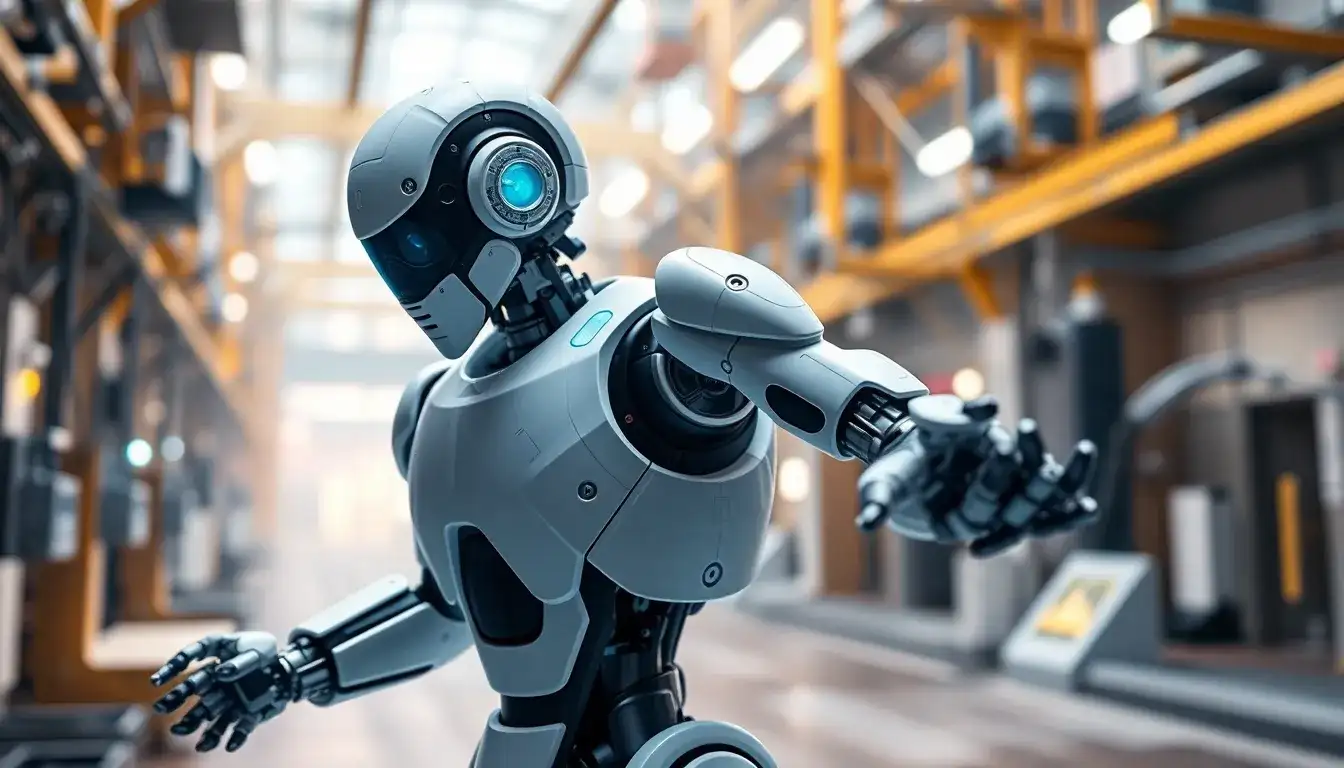
On February 14, 2026, it was announced that the team led by Professor Dong Hao from Peking University has achieved a significant breakthrough by equipping robots with a “spatial brain.”
While today’s robots can recognize indoor objects, they struggle to understand spatial terms such as “to the right,” “behind,” and “go around.” The research outcome, known as NavSpace, has been jointly completed by the Peking University team and published at the International Conference on Robotics and Automation (ICRA) 2026.
The researchers developed the NavSpace evaluation benchmark, which is the first navigation test set in the industry specifically focused on “spatial intelligence.” Building on this foundation, they created the SNav model, which can automatically generate a vast number of training samples covering six key spatial abilities from existing data. This effectively integrates spatial perception and reasoning capabilities into the model.
Robots equipped with this model can understand and execute complex instructions in real-world environments, such as “go to the nearest sofa on the second floor.” This breakthrough is set to directly advance the integration of intelligent service robots into real-life scenarios.
Original article by NenPower, If reposted, please credit the source: https://nenpower.com/blog/breakthrough-in-robotics-team-develops-spatial-brain-for-enhanced-navigation-abilities/

