

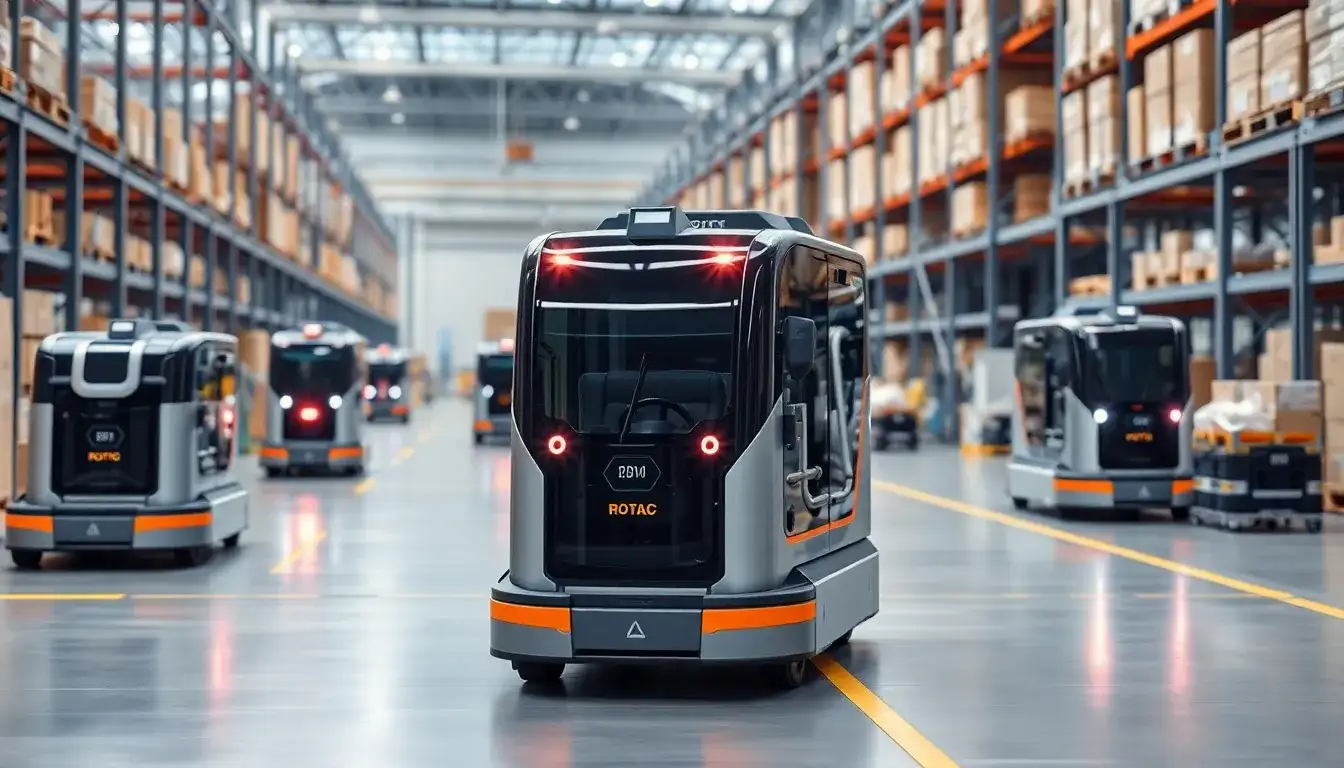
The development of artificial intelligence (AI) and autonomous driving technology has accelerated significantly in recent years. A notable focus has been on the integration of AI in Advanced Driver Assistance Systems (ADAS) to enhance vehicle safety and efficiency.
As of 2026, the market for AI-driven autonomous driving systems is expected to reach a value of approximately 300 billion USD. This increase is attributed to a growing demand for safer transportation options and the rapid advancement of AI technologies.
Recent statistics indicate that the global market for autonomous driving technology will grow by about 13.12% annually from 2025 to 2033, with projections suggesting it could reach 9,361.47 million USD by 2025.
Furthermore, major tech companies are heavily investing in AI research and development, with a significant emphasis on enhancing ADAS capabilities. For instance, the introduction of AI algorithms aims to improve real-time decision-making processes, making vehicles safer and more efficient.
AI applications in autonomous vehicles include:
- Enhancing object detection and recognition capabilities.
- Improving navigation and route optimization systems.
- Enabling vehicle-to-vehicle (V2V) communication for better traffic management.
- Utilizing machine learning to analyze driving patterns and predict potential hazards.
Moreover, regulatory bodies are increasingly focusing on establishing guidelines and safety standards for the deployment of autonomous vehicles on public roads. This is essential to ensure public safety and build consumer confidence in these technologies.
With ongoing advancements in AI and autonomous driving, the future of transportation looks promising, paving the way for a new era of mobility that prioritizes safety, efficiency, and sustainability.
Original article by NenPower, If reposted, please credit the source: https://nenpower.com/blog/agv-technology-advances-in-2026-innovations-and-industry-impacts/

