

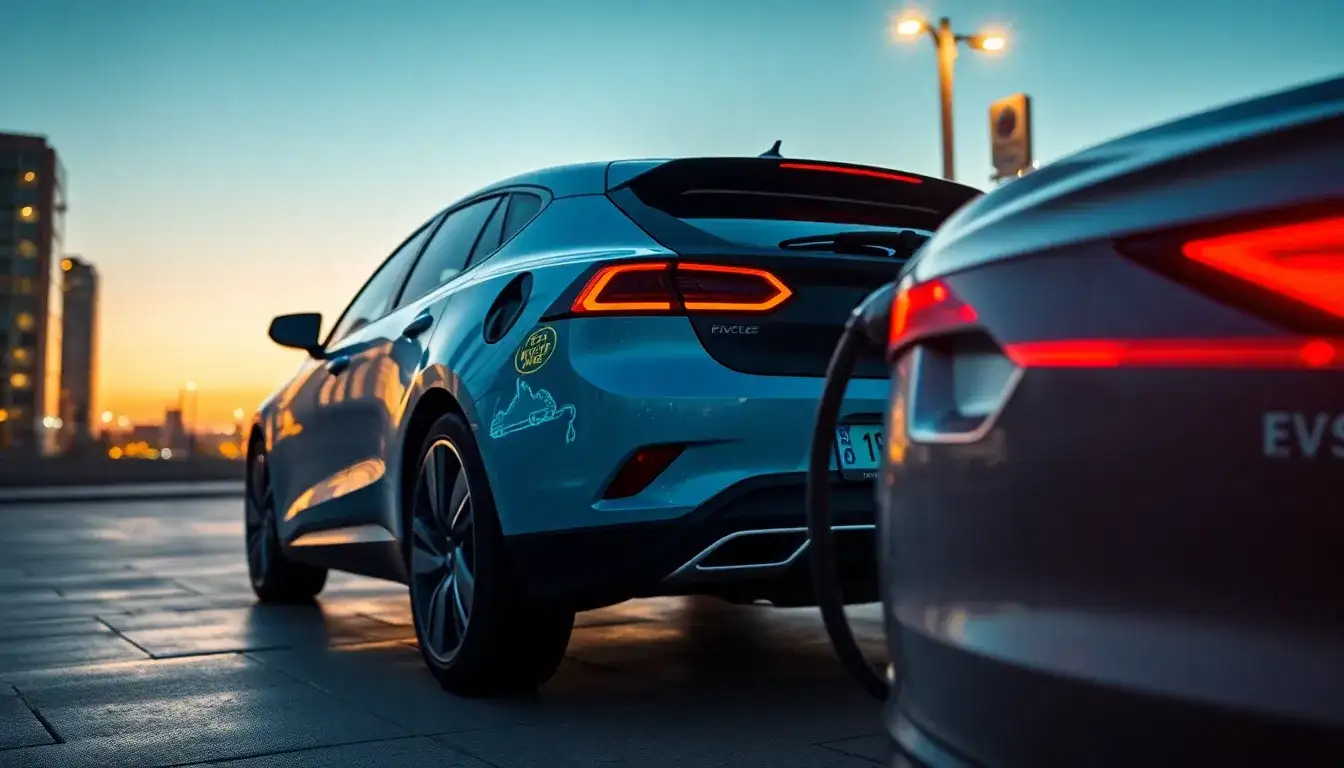
As global awareness of environmental issues rises, the automotive industry is undergoing a significant green transformation. The competition between new energy vehicles and traditional fuel-powered cars has become a focal point of public interest. By 2025, electric vehicles are expected to achieve a range exceeding 600 kilometers. Does this mean they will completely surpass fuel vehicles in the market?
Carbon Emissions Comparison
When evaluating carbon emissions, new energy vehicles demonstrate a clear advantage. Traditional fuel cars rely on fossil fuels, releasing substantial amounts of carbon dioxide during combustion, which exacerbates global warming. In contrast, electric vehicles utilize clean energy, such as electricity, thereby reducing direct carbon emissions. This benefit is particularly pronounced in regions with a high proportion of clean energy. According to the latest data, the average carbon emissions of electric vehicles are only 30% of those from traditional fuel vehicles.
Rapid Technological Advancements
In terms of technological progress, new energy vehicles are advancing at an unprecedented rate. Improvements in charging speed, driving range, and battery lifespan have alleviated consumer range anxiety. The rise of smart grids and V2G technology enables electric vehicles to supply power back to the grid during non-driving periods, transforming them into flexible energy storage units that enhance their environmental value. Meanwhile, traditional fuel vehicles face limited room for technological advancement, with efficiency improvements in internal combustion engines hitting a bottleneck.
Challenges for New Energy Vehicles
Despite their impressive environmental performance, new energy vehicles are not without flaws. The production of batteries consumes significant energy, and the disposal of used batteries remains a challenge for the industry. Additionally, tire wear and brake dust from electric vehicles can contribute to microplastic pollution. However, as battery recycling systems improve and the share of clean energy continues to rise, these issues are likely to be addressed, further highlighting the environmental advantages of electric vehicles.
At the same time, hydrogen fuel cell vehicles represent another type of new energy vehicle. While they hold the potential for zero emissions, high hydrogen production costs and insufficient infrastructure hinder their widespread adoption. In contrast, the supply chain for pure electric vehicles is more developed, leading to greater market acceptance and making them the dominant choice in the current new energy vehicle market.
Consumer Purchasing Choices
For consumers, environmental considerations are just one aspect of their purchasing decisions. Factors such as driving range, charging convenience, and purchase costs also significantly influence their choices. Currently, electric vehicles excel in short-distance commuting and fixed-route scenarios, while fuel vehicles still have a distinct advantage in long-distance travel and areas with limited infrastructure. Nevertheless, with growing policy support and ongoing technological advancements, the adoption rate of electric vehicles is expected to increase further. Many countries are promoting electric vehicle consumption through subsidies and restrictions on fuel vehicles, accelerating the expansion of the new energy vehicle market.
In balancing environmental concerns with practicality, consumers need to make greener choices based on their individual needs. Both new energy vehicles and traditional fuel vehicles have their respective environmental shortcomings. However, in the long run, electric vehicles that incorporate clean energy usage align better with sustainable development goals. Continuous technological improvements and policy enhancements will drive new energy vehicles toward greater environmental sustainability and efficiency.
This competition between new energy vehicles and traditional fuel cars not only affects the future of the automotive industry but also closely relates to global environmental initiatives. As trends in studying abroad shift, an increasing number of international students are showing interest in green technology and sustainable development, which will influence their academic and career choices. In this context, understanding the technological advancements and market dynamics of new energy vehicles will greatly benefit their future professional growth.
Do you believe that electric vehicles, after significant range improvements, can completely replace fuel vehicles? Will this environmental competition influence your car purchasing plans? As we look toward the future automotive market, which type of vehicle do you prefer? With the anticipated release of the 2025 electric vehicle range rankings, what changes can we expect in the new energy vehicle market?
Original article by NenPower, If reposted, please credit the source: https://nenpower.com/blog/2025-electric-vehicle-range-surge-can-new-energy-cars-outperform-traditional-gasoline-vehicles/

