

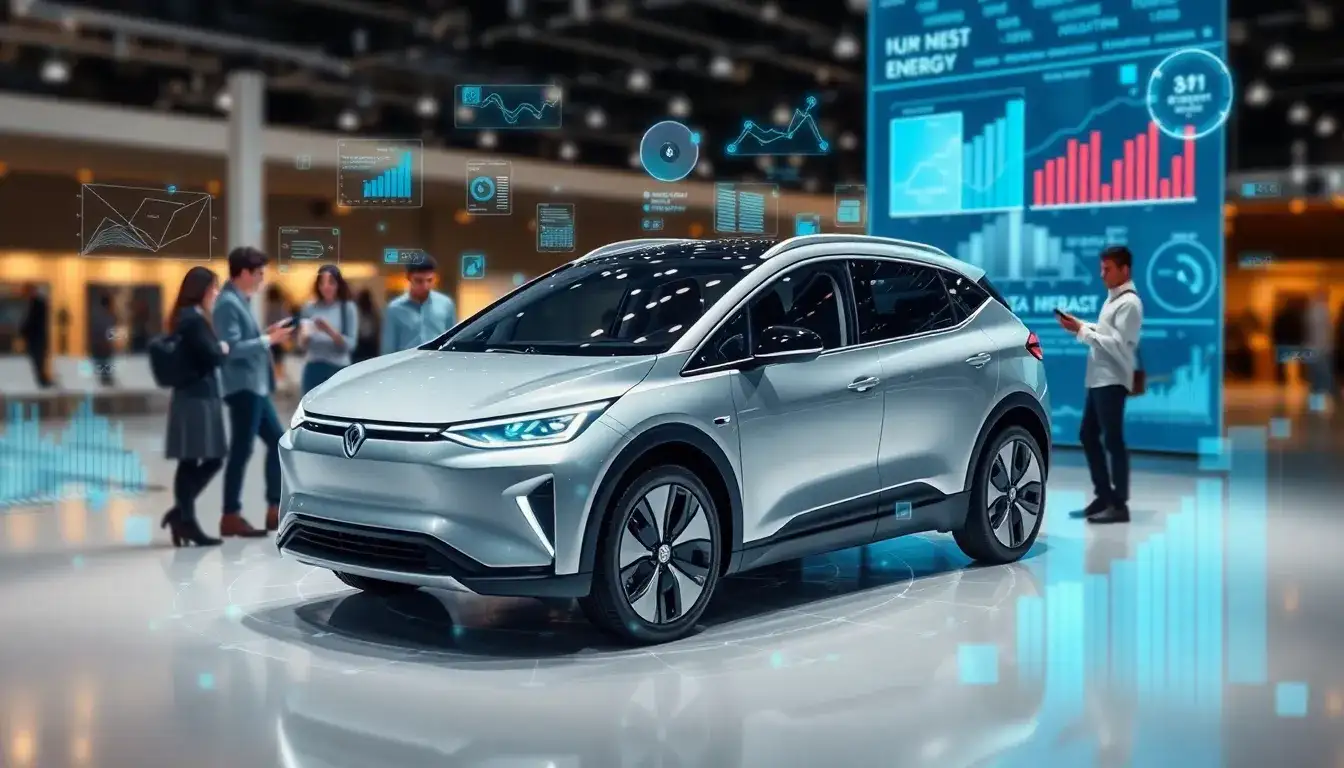
2025 Consumer Insights: A Comprehensive Review of the New Energy Vehicle Industry Reports
As the global automotive industry rapidly shifts towards electrification, the new energy vehicle (NEV) sector is undergoing profound transformation and reconfiguration. Currently, one in every five cars sold worldwide is a new energy vehicle, marking a significant transition from a niche technological innovation to a mainstream consumer market. This shift has fundamentally altered consumer perceptions of automobiles and transportation.
This report synthesizes extensive data collected from multiple platforms globally, covering the period from December 1, 2023, to November 30, 2024. It provides in-depth insights into the market landscape, consumer behavior, and external environmental impacts affecting the NEV industry, aimed at equipping industry professionals with practical and in-depth knowledge.
Based on the publication “2025 Consumer Insights: New Energy Vehicle Industry – Exploring the Current State of the NEV Sector through Data,” and over 400 related research reports, this comprehensive collection is available in our group for members to discuss, customize data reports, and collaborate with over 600 industry experts.
<h2>Market Dynamics and Competitive Landscape</h2>
The competition among NEV brands is intensifying on a global scale, with companies like <b>Tesla</b>, <b>BYD</b>, and <b>Hyundai</b> showcasing distinct advantages across various markets. Consumers exhibit a dual focus on critical factors like battery performance and charging infrastructure, while social media platforms increasingly influence purchasing decisions. Moreover, trade tensions and tariff issues are also significant factors affecting the development of the NEV sector.
In analyzing these core components, it is essential to first comprehend the overall state of the automotive market in 2024. The automotive market is characterized by notable features and differences, with the latter half of the year showing a marked improvement compared to the first half. For instance, domestic sales of passenger vehicles reached 9.81 million units from January to June 2024, while the second half saw sales rise to 13.19 million units, representing year-on-year growth rates of 0.9% and 4.0%, respectively.
This positive trend is largely attributed to policy initiatives, including a vehicle trade-in program launched on July 24, which expanded eligibility and increased subsidies. The average subsidy for new energy vehicles is around 15,000 yuan, while for gasoline vehicles, it is approximately 10,000 yuan. The surge in trade-in applications since late July is expected to drive sales by over 1.6 million units throughout the year.

<h2>Consumer Behavior and Key Focus Areas</h2>
As the NEV market evolves, consumer focus has shifted from merely reducing fossil fuel dependence to practical concerns such as battery performance and charging infrastructure, alongside broader societal issues like environmental impact. This aligns with the 2024 automotive market's emphasis on value for money. In terms of charging infrastructure, discussions on social media reveal about 28% of comments mention charging stations, with negative remarks outnumbering positive ones by three to one.
Among the 76,000 discussions regarding electric vehicle charging, over 380,000 references were made to "charging stations," indicating that convenience in roadside charging remains a significant concern for consumers. The quality of charging infrastructure and battery performance are critical determinants in consumers' purchasing decisions.
Online platforms play a vital role in influencing these decisions, with approximately 12% of electric vehicle discussions on Reddit centering around purchasing topics. From December 2023 to November 2024, concerns regarding the availability of public charging infrastructure and dependency on battery power dominated conversations related to purchasing decisions. Key discussion metrics included 323,791 mentions of purchase topics and 222,818 mentions of vehicle specifications and comparisons.

<h2>External Environmental Influences and Future Trends</h2>
Trade tensions and related tariff issues have emerged as significant external factors impacting the NEV industry. The global mentions of NEVs on broadcasts have seen a year-on-year growth rate of 13%. Notably, on May 14, 2024, when the U.S. government announced plans to increase import tariffs on NEVs manufactured in China, there was a spike in broadcast mentions of NEVs.
The rise in discussions surrounding tariffs indicates that consumers are increasingly attentive to brand and cost when making purchasing decisions. For industry brands, this presents both challenges and opportunities. Brands can develop content addressing trade policy issues and leverage consumer insights to shape pricing and communication strategies effectively.
Looking ahead, competition for consumer loyalty among NEV buyers is just beginning. As external economic factors gain prominence, industry marketers need to utilize automated tools to stay ahead of evolving consumer perceptions and expectations. By monitoring discussions across social media channels, brands can identify trending platforms and develop targeted marketing strategies to establish lasting connections with new audiences.

In summary, the NEV industry must adapt its development strategies in response to external challenges like tariffs while capitalizing on market trends and shifts in consumer behavior. Consumer preferences for price sensitivity and value for money are critical in shaping the future trajectory of NEV brands.
Original article by NenPower, If reposted, please credit the source: https://nenpower.com/blog/2025-consumer-insights-comprehensive-analysis-of-the-new-energy-vehicle-industry-with-400-reports/

