

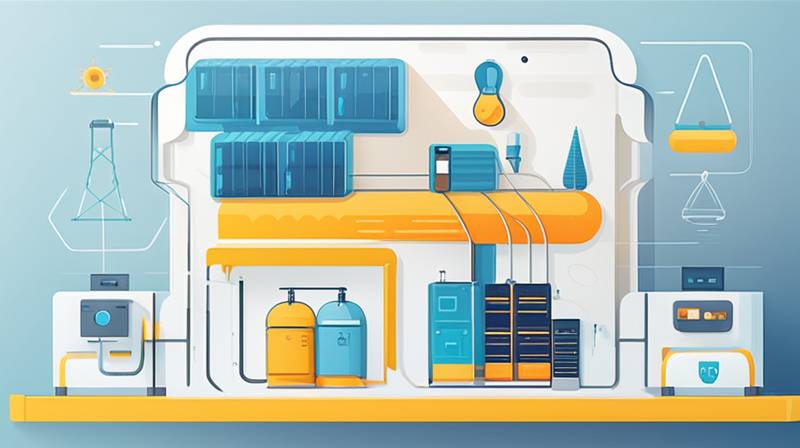
1. Hydrogen is ideal for energy storage due to its high energy density, ability to facilitate renewable energy integration, versatility across various applications, and environmentally friendly characteristics. 2. Hydrogen acts as a buffer for intermittent energy sources like solar and wind, allowing excess energy production to be stored and utilized when demand arises. 3. It supports grid stability, promotes energy independence, and provides an effective solution for decarbonization strategies. 4. Additionally, hydrogen can be converted back into electricity, used in fuel cells, and as a feedstock for chemicals, ensuring a wide array of applications for energy storage.
1. UNDERSTANDING HYDROGEN AS AN ENERGY CARRIER
Hydrogen embodies a fundamental component in the transition toward sustainable energy solutions. Its high energy density offers significant advantages for energy storage purposes. Energy density is a criterion that quantifies how much energy is stored in a given volume or mass of the substance. Hydrogen, with its energy density of about 33.6 kWh/kg, surpasses conventional battery technologies such as lithium-ion systems. A deeper analysis of hydrogen’s energy density reveals how this property can facilitate enhanced energy storage solutions and contribute to energy systems that require reliability and flexibility.
Furthermore, hydrogen’s ability to store large quantities of energy in a relatively lightweight form presents unique possibilities for both stationary and mobile applications. Hydrogen storage technologies range from compressed gas to metal hydrides, each providing a mechanism to encapsulate and release energy efficiently. This versatility is crucial as the world navigates through energy transitions and seeks to leverage renewable resources effectively, ensuring clean energy delivery at all times.
2. INTEGRATING RENEWABLE ENERGY SOURCES
A critical advantage of utilizing hydrogen for energy storage lies in its capability to support renewable energy integration. With rising adoption of renewable sources such as wind and solar, energy intermittency poses a challenge. Hydrogen can be synthesized through processes such as electrolysis, which splits water into hydrogen and oxygen using electricity from renewable sources. This ability to act as a “buffer” allows excess energy generated during peak production times to be stored as hydrogen gas, effectively converting unutilized energy into a usable storage medium.
This approach facilitates a seamless transition from conventional energy generation methods toward a more diversified and environmentally friendly energy system. By storing excess renewable energy in hydrogen form, energy providers can ensure that electricity supply matches demand, thus stabilizing the grid and helping to minimize energy wastage during periods of high production. Proactive strategies developed around hydrogen storage can lead to a more resilient energy framework, mitigating risks associated with supply shortages and fluctuating energy prices.
3. VERSATILITY OF HYDROGEN APPLICATIONS
Hydrogen’s versatile applications in various sectors further underscore its suitability as an energy storage medium. It has found its place in the transportation industry, offering an alternative to traditional fossil fuel systems. Hydrogen fuel cells are used in electric vehicles that provide zero-emission solutions while delivering operational efficiencies that make them attractive compared to battery-operated vehicles. The automotive sector is only one of many where hydrogen’s energy storage potential can shine; industries, such as shipping and aviation, are exploring hydrogen’s role in reducing their carbon footprints as well.
Besides transportation, hydrogen can also act as a feedstock for producing chemicals and materials. The chemical industry relies heavily on hydrogen for processes such as ammonia synthesis, which is crucial for producing fertilizers. By integrating hydrogen into these processes, organizations can fundamentally transform their production methodologies, enhancing sustainability while reducing reliance on carbon-intensive feedstocks. Consequently, the diverse utilization of hydrogen reinforces its value as an energy storage solution, providing practical applications across numerous sectors.
4. ENVIRONMENTAL IMPACT OF HYDROGEN
As the global framework shifts towards sustainable practices, hydrogen’s environmentally friendly characteristics play a significant role in its proliferation as an energy storage medium. The primary advantage lies in its potential to reduce greenhouse gas emissions, particularly when produced through renewable resources. Green hydrogen, obtained via electrolysis powered by renewable energy, emits no carbon dioxide during its lifecycle. This characteristic positions hydrogen as a central element in climate strategies aimed at achieving net-zero emissions.
Using hydrogen facilitates a shift away from fossil fuels, contributing positively to the energy transition narrative. In many applications, burning hydrogen results in water vapor as the only byproduct, significantly diminishing the environmental impact associated with conventional energy systems. Moreover, adopting hydrogen technologies enhances energy security, instilling greater independence from foreign fossil fuel supplies and creating local jobs focused on developing and maintaining hydrogen infrastructure. The intersection of hydrogen technology with positive environmental outcomes emphasizes its central role in future energy systems.
FREQUENTLY ASKED QUESTIONS
WHAT IS THE PROCESS OF HYDROGEN PRODUCTION?
Hydrogen can be produced through various methods, each with distinct environmental and efficiency considerations. The most prevalent processes include steam methane reforming (SMR), electrolysis, and gasification. Steam methane reforming, which converts natural gas into hydrogen and carbon dioxide, currently constitutes the majority of hydrogen production. However, this process generates significant emissions, thus raising concerns regarding its sustainability.
Electrolysis, on the other hand, utilizes electricity to split water molecules into hydrogen and oxygen. When powered by renewable energy sources, electrolysis produces green hydrogen, which is gaining prominence due to its zero-emission nature. While still relatively expensive compared to SMR, advancements in electrolyzer technology and declining renewable energy costs are making green hydrogen increasingly competitive. Gasification employs high-temperature processes to convert biomass or fossil fuels into hydrogen and carbon dioxide. Each method’s viability depends on various factors, including economic considerations, energy sources, and emissions profiles; ongoing research aims at improving efficiency and reducing costs in hydrogen production technologies.
WHAT ARE THE STORAGE OPTIONS FOR HYDROGEN?
Hydrogen storage options encompass different methodologies, including compressed gas, liquid hydrogen, and solid storage methods. Compressed hydrogen gas is the most common method, involving storing hydrogen at high pressures within specialized tanks. This approach allows for a relatively lightweight storage vessel and is widely employed in various applications, including fuel cell vehicles.
Liquid hydrogen storage involves cooling hydrogen to extremely low temperatures (−253 degrees Celsius) to convert it into a liquid state. It offers higher energy density than compressed gas and is often used in aerospace applications. However, handling and maintaining the necessary cryogenic temperatures necessitate advanced technology and operational considerations. Solid storage techniques leverage materials such as metal hydrides to absorb hydrogen, releasing it when needed. This method can provide safer and more stable storage solutions while mitigating risk factors associated with gas storage. Decision-making on the appropriate storage method ultimately hinges on specific application requirements, safety considerations, and economic factors.
HOW DOES HYDROGEN INTERACT WITH THE ENERGY GRID?
Hydrogen’s relationship with the energy grid is multifaceted, contributing to increased stability and versatility. Integrating hydrogen storage into the energy network allows operators to better manage supply and demand fluctuations, particularly with renewable energy sources. When generation exceeds demand, surplus energy can be redirected through electrolyzers to produce hydrogen, effectively storing energy for later use.
During periods of high demand, hydrogen can be converted back into electricity via fuel cells or combustion turbines, ensuring that electricity supply meets consumer requirements. This cyclical energy storage mechanism enhances the grid’s resilience, enabling better integration of renewable resources while maintaining reliable energy delivery. Furthermore, hydrogen infrastructure can bolster energy independence by reducing reliance on fossil fuels, leading to enhanced energy security. Regional grids can benefit significantly from this added layer of energy management capability, making hydrogen a key player in future energy systems.
Hydrogen’s role as a sustainable energy storage medium catalyzes significant transformation across various sectors and applications. The climate crisis necessitates innovative solutions to deploy energy efficiently while engaging with renewable resources effectively. Hydrogen fulfills these demands through its remarkable energy density, flexibility as an energy carrier, and environmental advantages derived from its use. By facilitating renewable integration and ensuring grid reliability, hydrogen offers a pathway toward energy independence and lower carbon emissions.
While challenges remain—particularly associated with production costs, storage safety, and technical infrastructure—strategic advancements and investments in hydrogen technology are essential. Continued research and development, alongside supportive policy frameworks, will drive innovation within this sector.
To maximize hydrogen’s potential, stakeholders across academia, industry, and government must collaborate to create a unified vision that encompasses necessary changes in thinking, technology, and cultural perceptions toward energy use. By effectively capitalizing on hydrogen’s strengths and addressing its limitations, society can steer toward a sustainable future marked by clean, responsible energy practices. As exploration into hydrogen advances, it is crucial to embrace and adapt to the evolving landscape of energy storage, prioritizing a holistic approach that includes diverse energy sources and innovative technologies.
Original article by NenPower, If reposted, please credit the source: https://nenpower.com/blog/why-is-hydrogen-suitable-for-energy-storage/

