

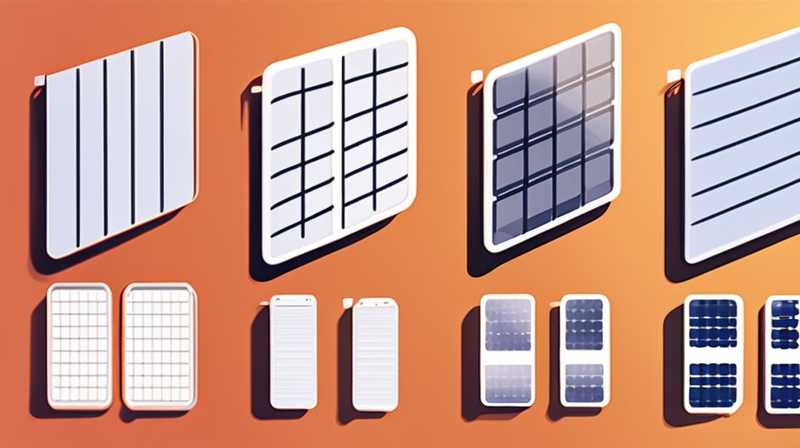
1. Foldable solar charging panels are costly due to several factors, including 1. advanced technology involved in production, 2. portability efficiency through innovative designs, 3. superior materials that enhance performance, and 4. investment in research and development to improve functionality and durability. A significant point to elucidate is the advanced technology involved in production, which encompasses the sophisticated manufacturing processes, precise engineering, and high-quality standards that contribute to the elevated price. This investment ensures reliability and effectiveness in diverse conditions, making them a go-to option for outdoor enthusiasts and professionals alike.
1. ADVANCED TECHNOLOGY IN SOLAR PANEL MANUFACTURING
The complexity in manufacturing foldable solar charging panels stems from the integration of cutting-edge technologies and methodologies. These panels are designed to harness solar energy efficiently, often utilizing monocrystalline or polycrystalline solar cells, which are crafted for optimal energy conversion. These technologies illustrate the intricate balance of enhancing performance while minimizing weight, a crucial factor in portability.
The exclusive use of high-quality silicon and other materials not only influences the performance metrics but also contributes to the overall lifespan of the product. The advanced production techniques, including laser-cutting and automated assembly, reinforce the significance of precision in the creation of these devices. Each component must meet rigorous standards to ensure durability and efficiency, which inevitably drives up costs.
2. PORTABILITY AND INNOVATIVE DESIGNS
The need for portability in solar charging panels has spurred innovative design solutions that significantly increase their overall expense. Unlike traditional, rigid solar panels, foldable variants are engineered to be lightweight and compact, which requires more sophisticated engineering methods. The folding mechanism itself involves intricate designs that enable both protection of the solar cells during transport and ease of use once deployed.
Additionally, many foldable solar panels feature multiple connection options, enhanced user interfaces, and integrated battery storage systems. These innovations necessitate additional components and electronics that further inflate the manufacturing costs. The pursuit of convenience in outdoor applications, such as camping or emergency preparedness, has led to developments that cater specifically to these markets, thereby influencing pricing structures.
3. SUPERIOR MATERIALS AND PERFORMANCE
The use of high-grade materials is another pivotal factor contributing to the elevated cost of foldable solar charging panels. Manufacturers source materials that not only enhance efficiency but also withstand challenging environmental conditions. For instance, durable fabrics used for panel casings must be weather-resistant, lightweight, and capable of enduring extended exposure to the elements, thus requiring significant investment in quality control.
Moreover, solar cells themselves are often made from advanced compounds that facilitate higher energy conversion rates. Such enhancements can result in panels that are both more efficient and longer-lasting, delivering value that justifies the price premium. The interplay between the materials chosen and the end performance greatly affects the overall expense—high-quality materials inspire trust and instill confidence in users, further solidifying their market position.
4. INVESTMENT IN RESEARCH AND DEVELOPMENT
The landscape of solar technology is ever-evolving, necessitating continual investment in research and development to keep pace with innovative advancements and user expectations. Companies constantly work on improving efficiency, expanding functionality, and developing new technologies that could dramatically change the way solar energy is utilized. This R&D process is labor-intensive and often requires substantial funding, which can place a financial burden on manufacturers.
Moreover, as competition in the market intensifies, businesses are prompted to invest in more costly and advanced technologies to maintain their competitive edge. This ongoing commitment to innovation and excellence means that the financial resources allocated to research and development also contribute to the overall pricing of foldable solar charging panels.
FAQs
WHAT FACTORS INFLUENCE THE COST OF FOLDABLE SOLAR CHARGING PANELS?
Multiple factors contribute to the pricing of foldable solar charging panels, including advanced manufacturing technologies, the use of superior materials, the portability of design, and extensive investments made in research and development. The intricate architecture of these devices typically employs high-efficiency solar cells, which amplify energy conversion ratios but also increase production costs. Furthermore, quality assurance in terms of durability, weather resistance, and reliability during outdoor use necessitates that manufacturers utilize premium materials, which raises the price.
Additionally, the innovative design aimed at enhancing portability—often seen in lightweight, compact features—demands careful engineering. This contributes to the expense. In tandem, these various elements work synergistically to create a product that meets the expectations of performance and durability that customers seek. Therefore, potential buyers should weigh the benefits of premium solar charging solutions against their initial investment, especially given the long-term conservation of energy and resources they can provide.
ARE FOLDABLE SOLAR CHARGING PANELS WORTH THE INVESTMENT?
The worthiness of investing in foldable solar charging panels is contingent on one’s individual needs and intended usage. For those engaged in outdoor activities, travel, or professional fields requiring portable energy sources, these panels can significantly enhance convenience and functionality. The high efficiency and robust performance delivered by premium materials mean that users can harness solar energy, even in remote locations.
Additionally, foldable panels tend to offer convenience features, such as integrated batteries and multiple output options, that create a tailored user experience, enhancing their value further. However, if an individual’s energy needs are modest or they seldom venture outdoors, their cost may not be justifiable in the short term. Nonetheless, with the price of traditional energy rising, and the wider adoption of sustainable practices, foldable solar panels are increasingly being recognized as a long-term investment in clean energy.
HOW CAN USERS MAINTAIN FOLDABLE SOLAR CHARGING PANELS?
To maximize the longevity and performance of foldable solar charging panels, users should engage in routine maintenance practices. A consistently clean surface is paramount; dust, dirt, and debris can obstruct solar cells and diminish energy absorption. Users are encouraged to lightly wipe the panels with a soft cloth periodically, especially after exposure to elements that may leave residues.
Additionally, proper storage when not in use is crucial; panels should be kept in a dry, cool environment and away from direct sunlight and extreme temperatures to avoid degrading materials. Users should also inspect connectors and cables regularly for any signs of wear or damage, as this can impact overall functionality. Following these practices will ensure that users derive optimal performance and reliability from their investment while prolonging the lifespan of the panels.
The financial ramifications associated with foldable solar charging panels can significantly impact consumer decisions and market trends. These panels encapsulate a blend of intricate engineering, premium materials, and relentless innovation, rendering them a robust but costly option. As outdoor enthusiasts and environmentally conscious consumers recognize the merits of portable renewable energy solutions, the market will likely experience a greater understanding of the necessity behind premium pricing. The technological advancements and thoughtful designs illustrate a commitment to sustainability and utility, which ultimately plays a crucial role in shaping consumer behavior. Thus, as the global energy landscape continues to evolve and lean toward green alternatives, the significance of foldable solar charging panels will only amplify, justifying their elevated price in light of their multifaceted applications and advantages. Investing in such technology equates to not merely acquiring a product, but embracing a lifestyle that champions sustainability, efficiency, and a proactive approach to energy consumption.
Original article by NenPower, If reposted, please credit the source: https://nenpower.com/blog/why-are-foldable-solar-charging-panels-expensive/

