

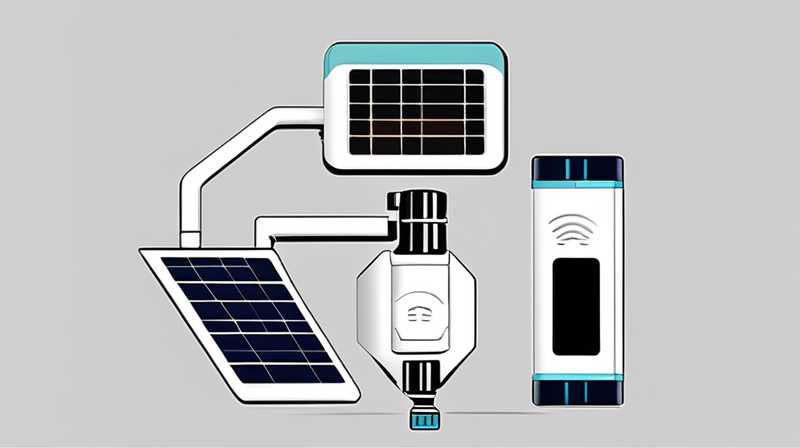
In examining the port arrangement of a solar solenoid valve, one can determine that the functional aspects are paramount for optimal operation. 1. A solenoid valve typically features an inlet and outlet port; the inlet is where the fluid enters, while the outlet is where the fluid exits. 2. The side integration of these ports ensures effective operation in solar and fluid circulation applications. 3. Understanding the correct orientation fosters better installation and maintenance practices.
1. UNDERSTANDING SOLENOID VALVES
To grasp the significance of port placement in solar solenoid valves, it’s essential to start with a foundational understanding of solenoid valve functionality. These devices serve as electromechanical actuators that manage the flow of fluids in various systems, including those reliant on solar energy. They operate by means of an electromagnetic coil that, when energized, creates a magnetic field that moves a plunger inside the valve, thereby opening or closing it.
A solar solenoid valve specifically operates within a system designed to harness solar energy, often used in irrigation or heating systems. The valve’s operational efficiency is enhanced by its proper alignment and port placement. Proper orientation influences flow dynamics, ensuring that the valve efficiently regulates the fluid as it moves through the system.
2. PORT CONFIGURATIONS AND THEIR IMPORTANCE
Port configuration is fundamental in determining how fluid interacts with the valve. The most common configurations are two-port and three-port designs. In a two-port valve, there is a distinct inlet and outlet, which allows for straightforward flow management. Meanwhile, three-port valves can either divert or mix flows, providing versatile control over fluid dynamics within the system.
The correct installation of a solar solenoid valve significantly impacts its performance. For instance, if the inlet and outlet ports are reversed during installation, it could lead to inadequate flow pressure or even system damage. Ensuring that the appropriate port is installed on the desired side simplifies maintenance and troubleshooting, avoiding unnecessary complications.
3. APPLICATION OF SOLAR SOLENOID VALVES IN SYSTEMS
Solar solenoid valves find their prime applications in automated irrigation systems, solar water heating systems, and fluid heating applications. In these setups, they ensure that fluids only flow when appropriate, conserving energy and resources. For example, in irrigation systems, the solenoid valve opens to distribute water during specified times and closes to preserve the soil’s moisture when necessary.
In these contexts, the strategic placement of ports is crucial. Typically, the inlet port is aligned with the water source, while the outlet port directs the flow to various irrigation zones. By ensuring that these elements are set correctly, the system guarantees precise water distribution, ultimately facilitating optimal plant growth.
4. SOLAR ENERGY SYSTEM INTEGRATION
The integration of solenoid valves into solar energy systems involves unique considerations. These valves play a vital role in managing fluid flow in elements like solar collectors and storage tanks. Proper port positioning is essential for maximizing efficiency. For instance, incorrect alignment can lead to backflow or insufficient heating, negating the advantages of solar energy harnessing.
Additionally, partnerships with control systems enhance the role of solenoid valves in solar applications. Controlling when the valve opens or closes can be automated based on various factors, including temperature gauges or soil moisture sensors, contributing to efficient energy use and resource conservation.
5. MAINTENANCE AND TROUBLESHOOTING
Maintaining solar solenoid valves is integral to ensuring longevity and performance. Regular checks on the valve’s functionality, including the connectivity of electrical components and the physical integrity of ports, can preemptively address potential issues. Identifying and rectifying leaks or blockages is necessary to maintain system efficacy.
In troubleshooting, understanding the port layout aids in diagnosing issues. If a valve is failing to open or close, determining whether the correct port is being actuated might highlight discrepancies leading to ineffective operation. Employing a systematic approach in monitoring these valves through their port configurations can prevent significant system failures.
6. TECHNOLOGICAL INNOVATIONS
Recent advancements in technology have seen the evolution of solenoid valves towards more energy-efficient and responsive designs. Innovations like smart solenoid valves come equipped with sensors and IoT (Internet of Things) connectivity, allowing for real-time data analysis and improved flow management. This technology promises not only enhanced performance but also deeper integration into smart home and commercial water management systems.
Such upgrades facilitate better maintenance and operational control. With digital interfaces, users are provided with instant status updates and diagnostics regarding flow rates and potential leakage, simplifying the maintenance process. This allows for a proactive approach in dealing with port function awareness.
FAQs
WHAT IS A SOLENOID VALVE, AND HOW DOES IT WORK?
A solenoid valve is an electromechanical device that controls the flow of fluids. It operates through the principle of magnetism: when an electric current passes through an electromagnetic coil, it generates a magnetic field that pulls a plunger. This movement opens or closes the valve, allowing fluid to flow or preventing it from doing so. The operation can be characterized as either normally open or normally closed, influencing how the valve behaves in various setups. Understanding solenoid valves includes recognizing their various configurations, such as two-port and three-port styles, and their applications in systems that utilize liquid or gas, including irrigation setups, heating systems, and industrial machinery.
HOW DO I INSTALL A SOLENOID VALVE PROPERLY?
To ensure proper installation of a solenoid valve, start by identifying the inlet and outlet ports. It’s crucial to verify the direction of flow according to the manufacturer’s specifications. Use appropriate seals and fittings to avoid leaks, and ensure that the solenoid is situated in an accessible location for future maintenance. Electrical connections should be securely attached, following correct polarity where applicable. After installation, conduct a test to check for leaks and verify proper operation by activating the solenoid and ensuring the flow behaves as intended. Comprehensive installation guidelines should always be followed for best practices.
WHAT MAINTENANCE IS REQUIRED FOR SOLENOID VALVES?
Maintenance for solenoid valves primarily involves routine checks to ensure functionality and prevent wear and tear. Regular inspections should include examining the electrical connections, verifying that the solenoid coil is intact, and testing the valve’s operational response. Periodic cleaning of the valve’s body and the ports will help avert blockages caused by debris or buildup. If any leaks or unusual noises are detected during operation, immediate attention is necessary to prevent damage. Understanding manufacturer guidelines will also aid in establishing a preventive maintenance schedule to maximize the valve’s lifespan.
In summary, examining the specifications of solar solenoid valves reveals the critical nature of their operational design. Proper understanding of port arrangements enables effective fluid management, crucial in various solar energy applications. These valves maintain the integrity of systems utilizing solar power, reinforcing their role in energy conservation. Furthermore, innovations in solenoid technology enhance functionality, promising to support both existing and future solar applications with improved efficiency and control. Consequently, regular maintenance and informed installation practices are essential for maximized performance, underscoring the importance of understanding the nuances associated with these devices within the renewable energy landscape.
Original article by NenPower, If reposted, please credit the source: https://nenpower.com/blog/which-port-is-on-the-side-of-the-solar-solenoid-valve/

