

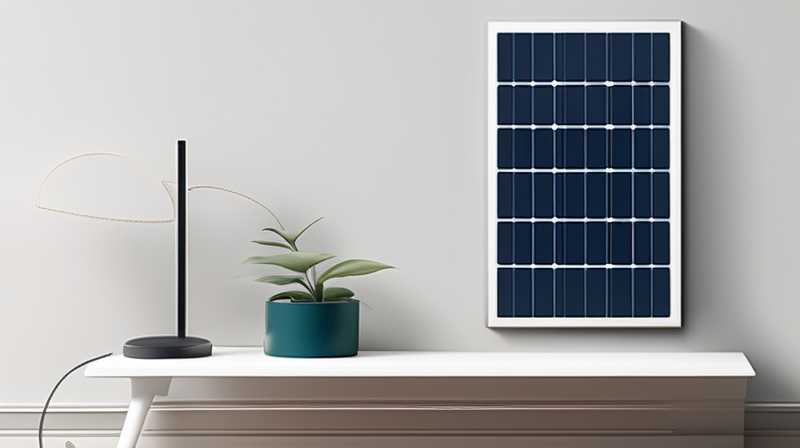
Which is better, solar or wall-mounted flat panel?
- Both options have distinct advantages based on the intended application, energy efficiency, and installation requirements. The choice largely depends on individual circumstances. 2. Solar panels harness renewable energy, reducing electricity bills significantly over time. 3. Wall-mounted flat panels offer simplicity in design and ease of installation, especially for heating. 4. Ultimately, the decision will depend on cost, environmental impact, and energy needs.
1. UNDERSTANDING SOLAR PANELS
Solar panels convert sunlight into electricity, utilizing photovoltaic (PV) cells. This innovative technology significantly reduces reliance on fossil fuels, leading to a sustainable energy solution. When installed in suitable locations, they generate substantial savings on energy bills, often offsetting installation and maintenance costs over time.
One critical aspect of solar panels is their environmental impact. By harnessing renewable energy, they contribute to decreased greenhouse gas emissions. Transitioning to solar-based energy solutions promotes a greener planet, thus appealing to environmentally conscious consumers. They not only offset carbon emissions during operation but also lessen dependence on non-renewable energy resources, promoting a sustainable energy future.
2. EXPLORING WALL-MOUNTED FLAT PANELS
Wall-mounted flat panels, commonly associated with heating systems in residential and commercial settings, operate based on radiative heat transfer. Unlike solar panels, these devices primarily serve a heating function rather than electricity generation. Their installation is relatively straightforward, allowing for quick deployment in various locations.
The design and aesthetics of wall-mounted flat panels appeal to many consumers. Their sleek appearance makes them easier to integrate into existing architecture, providing a minimalist look. Additionally, they offer immediate heating solutions without the complexities associated with solar installations, making them a popular choice for those seeking immediate benefits without extensive setup.
3. COST ANALYSIS
When assessing the financial implications of both options, it’s essential to distinguish between initial investment and long-term savings. Solar panels typically demand a higher upfront expenditure due to their technology and installation requirements. However, governmental incentives can mitigate these costs significantly, making them more accessible for homeowners and businesses looking to invest in renewable technology.
Conversely, wall-mounted flat panels usually require less initial investment and can yield immediate returns in comfort. While their operational costs may be lower, they do not offer the same long-term energy independence as solar systems. Integrating solutions like energy-efficient systems can further enhance the overall cost-effectiveness of wall-mounted varieties, making this aspect significant when deciding between the two.
4. ENERGY EFFICIENCY AND PERFORMANCE
The energy efficiency of solar panels can vary, with modern advancements pushing efficiencies well above 20%, allowing for more energy generation from the same surface area. This capability means that lesser installations may still provide sufficient energy for households or businesses. Moreover, solar panel systems often include features like battery storage, enabling energy consumption during non-sunny periods.
Wall-mounted flat panels, while efficient, typically have a different method of energy consumption. They provide immediate heat upon activation but do not store energy for future use. Hence, their efficiency can be limited by external factors such as electricity prices or supply availability. Evaluating performance in specific environments is crucial for users to understand the effectiveness of each option in providing consistent energy or heating.
5. INSTALLATION CONSIDERATIONS
Installation requires careful planning and consideration of physical space and exposure for solar panels. Optimal placement involves a thorough analysis of sunlight access throughout the day. Areas with prolonged exposure will yield better results. Moreover, climate conditions can affect performance, necessitating professional assessment before installation.
On the other hand, wall-mounted flat panels offer ease of installation and immediate functionality. They are often mounted within existing structures, making them adaptable to various environments. Their installation process typically requires less space and can be achieved in a shorter timeframe, which can be appealing for those in search of quick heating solutions.
6. MAINTENANCE REQUIREMENTS
Maintenance varies significantly based on the type of system installed. Solar panels generally require minimal maintenance since they have no moving parts. Routine checks, such as cleaning dirt or debris, are often all that is needed to ensure optimal performance, allowing users to enjoy long-lasting benefits with minimal hassle.
In contrast, wall-mounted flat panels may require more frequent maintenance. Regular inspections of heating elements and connections are crucial to ensure they operate efficiently, particularly in environments that experience heavy usage. Users may need to clean or replace components more often, adding another layer of consideration when evaluating options.
7. LONG-TERM VALUE AND RETURN ON INVESTMENT
When evaluating long-term value, solar panels stand out due to their capacity to generate free energy over time. The return on investment from solar can be substantial, with many homeowners reporting a complete payback within a decade depending on local energy costs. Furthermore, increasing energy prices can enhance this return as the efficiency of solar power becomes more pronounced over the years.
In comparison, wall-mounted flat panels may not provide the same long-term financial benefits as they largely depend on fossil fuels. The return on investment typically centers around comfort and immediate utility rather than substantial energy savings, which can deter those looking to invest primarily for financial gain. The comparison between these options must consider individual preferences and expectations.
FAQs
IS SOLAR ENERGY RELIABLE?
Solar energy’s reliability is affected largely by geographical location and climate conditions. Regions with consistent sunlight can expect high efficiency and production. However, areas experiencing frequent cloudy weather or seasonal changes may encounter fluctuations in solar energy generation, necessitating backup solutions. Integrating battery storage can also bridge the gap during periods of low sunlight, ensuring a continuous supply of power.
WHAT ARE THE AVERAGE COSTS ASSOCIATED WITH INSTALLING SOLAR PANELS?
The costs for solar panel installation vary greatly based on multiple factors, including system size, local incentives, and the type of solar panels selected. In general, homeowners can expect initial investments ranging from $15,000 to $30,000 before any applicable government rebates. Evaluating return on investment through monthly energy savings is vital, as many systems can pay for themselves within a decade based on individual energy consumption patterns.
HOW MUCH HEAT CAN WALL-MOUNTED FLAT PANELS PROVIDE?
The heating capacity of wall-mounted flat panels is contingent on their heat output rating. Typically, these units are designed to provide instant radiant heat, making them efficient for immediate comfort needs. However, specific heating requirements will vary based on room size and insulation. Careful calculation of heat output versus room volume is essential to determine the number of units necessary for effective climate control.
The choice between solar and wall-mounted flat panels presents several advantages and considerations. Each alternative caters to distinct user needs, operating principles, and goals associated with energy generation or heating. Solar energy systems shine as a sustainable choice, promising long-term savings and reduced environmental impact, while wall-mounted options excel in immediate applicability and straightforward functionality. Users must weigh their preferences, such as financial investment, energy independence, and environmental concerns, in their decision-making process.
Ultimately, making a well-informed choice requires thorough research and understanding of the parameters involved in each option. Evaluating personal energy needs and long-term aspirations can guide consumers toward the best solution, ultimately fostering a more sustainable and energy-efficient future.
Original article by NenPower, If reposted, please credit the source: https://nenpower.com/blog/which-is-better-solar-or-wall-mounted-flat-panel/

