

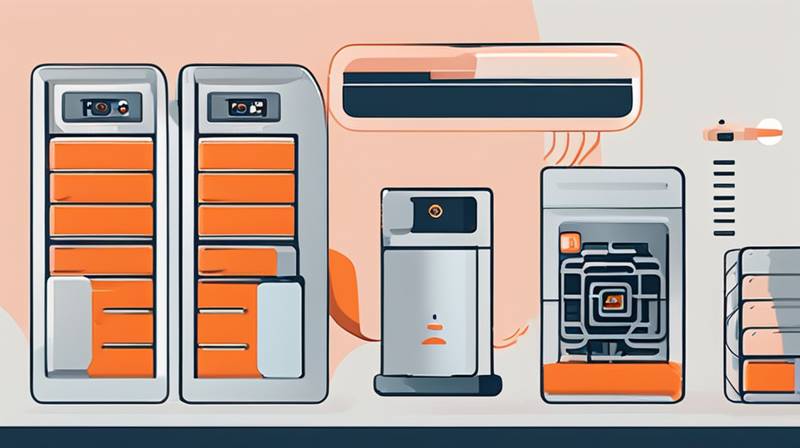
To discuss devices that possess energy storage capabilities, it is essential to recognize a variety of technologies that play pivotal roles in both residential and commercial applications. 1. Batteries, 2. Supercapacitors, 3. Flywheels, 4. Pumped Hydroelectric Storage, 5. Thermal Energy Storage are some of the primary devices utilized across different sectors.
- BATTERIES
In contemporary energy management, batteries are deemed the cornerstone of energy storage systems. They convert chemical energy into electrical energy, providing reliable power on demand. Commonly deployed in devices such as smartphones, laptops, electric vehicles, and home energy systems, batteries come in multiple chemistries, including lithium-ion, lead-acid, and nickel-metal hydride.
One of the notable advantages of lithium-ion batteries is their high energy density, which allows them to store significant amounts of energy in a compact form. This makes them particularly suitable for portable devices and electric vehicles that require lightweight power sources. Their relatively low self-discharge rate and ability to maintain performance over numerous charge cycles further enhance their appeal.
In contrast, lead-acid batteries are more established in various industrial applications, particularly in backup power systems and for renewable energy integration. Though they are heavier and less efficient compared to their lithium-ion counterparts, their lower initial cost makes them an attractive choice for many users.
In addition to the fundamental chemistry, significant strides in battery management systems (BMS) have led to enhanced performance and safety of these energy storage devices. BMS technology optimizes charging and discharging cycles while regulating temperature, ensuring longevity and efficiency. Thus, batteries’ role in evolving energy demands continues to grow, shaping a more sustainable future.
- SUPERCAPACITORS
Supercapacitors, often mistaken for traditional capacitors, exhibit a unique energy storage mechanism that bridges the gap between capacitors and batteries. Known for their rapid charge and discharge capabilities, these devices excel in applications that require short bursts of energy. Their high power density allows for efficient energy delivery in scenarios like regenerative braking in electric vehicles.
Functionally, supercapacitors store energy electrostatically through the separation of charge, which enables them to achieve far quicker responses to fluctuations in demand compared to batteries. One of their most significant advantages is the ability to operate across a wide temperature range, making them suitable for diverse environments and applications.
While supercapacitors cannot match the energy density offerings of batteries, their extended life cycle—often exceeding a million charge and discharge cycles— renders them highly desirable for applications where longevity and reliability are critical. Moreover, their role in hybrid systems, where they complement batteries to provide enhanced performance and efficiency, is gaining traction.
As technology progresses, research is focusing on improving the energy density of supercapacitors, striving to develop devices that harness the best aspects of both batteries and supercapacitors. This combination could enable advancements in various sectors, from consumer electronics to electric vehicles, transforming how energy is harvested and utilized.
- FLYWHEELS
Flywheel energy storage systems operate on a relatively straightforward principle, converting kinetic energy into electricity. These mechanical devices spin at high speeds, storing energy through rotational inertia. The primary benefit of flywheels lies in their ability to deliver rapid bursts of power, making them practical for grid stabilization and uninterruptible power supplies.
One such application involves using flywheels in renewable energy integration, particularly wind and solar, where the generation of power can be intermittent. By storing excess energy generated during peak production periods, flywheels can release that energy back into the grid during times of high demand or when generation is low.
Flywheel systems often employ advanced materials and designs to enhance performance and efficiency. Advanced composites are utilized for constructing the flywheel rotors, enabling them to withstand the high stresses of operation while minimizing weight. This development is crucial in extending the operational lifespan and reliability of these systems.
Despite their numerous advantages, such as minimal maintenance requirements and rapid energy delivery, the high capital costs and space requirements of flywheels limit their proliferation. Research is ongoing to optimize designs and reduce costs, which may position flywheels as a more widely accepted solution for energy storage in the future.
- PUMPED HYDROELECTRIC STORAGE
Pumped hydroelectric storage (PHS) is one of the oldest and most widely utilized forms of grid-scale energy storage. The system comprises two water reservoirs situated at different elevations. By pumping water from the lower reservoir to the higher one during periods of low electricity demand, excess energy is effectively stored. Subsequently, during peak demand periods, the water is released back down through turbines, generating electricity.
PHS facilities are designed to manage fluctuations in demand regularly. The scalability of pumped storage plants allows them to store and provide vast amounts of energy, offering a stable integration point for variable renewable energy sources such as wind and solar. The system’s efficiency typically ranges from 70% to 90%, depending on various factors, including the age of the facility and the specific design.
In terms of environmental effects, while the infrastructure for PHS can disrupt local ecosystems, many ongoing projects incorporate wildlife considerations into their designs to reduce adverse impacts. Furthermore, as the demand for renewable energy sources grows, the relevance of pumped-storage hydroelectricity in stabilizing the grid continues to evolve.
While the establishment of new pumped hydroelectric systems involves extensive infrastructure and significant initial investment, they present a long-term solution for energy storage and grid stability, reflecting the shift towards sustainable energy practices.
- THERMAL ENERGY STORAGE
Thermal energy storage (TES) systems capitalize on storing energy in the form of heat. This method is particularly advantageous for applications involving concentrated solar power (CSP) or district heating. By absorbing excess thermal energy during peak production or low demand periods, TES enables the efficient use of that energy during high-demand periods.
Systems can utilize various materials for heat storage, including water, molten salts, and even advanced solid-state materials. CSP plants equipped with thermal energy storage systems offer a significant enhancement over traditional solar power by allowing energy dispatch after sunset. This capability mitigates the inherent intermittency associated with solar energy, enhancing grid reliability.
In addition to CSP applications, TES systems also play a role in buildings, leveraging low-cost electricity during off-peak hours to heat or cool spaces. This not only helps manage electrical loads but also contributes toward energy conservation and environmental sustainability. The integration of smart grids with TES technologies can further facilitate energy optimization.
As demand continues to rise for improved energy efficiency and reduced greenhouse gas emissions, the development of advanced thermal energy storage technologies will likely thrive, fostering the transition toward greener energy solutions.
FREQUENTLY ASKED QUESTIONS
WHAT TYPES OF BATTERIES ARE COMMONLY USED FOR ENERGY STORAGE?
Among the myriad of battery types available, lithium-ion batteries have emerged as the predominant choice due to their high energy density and lightweight characteristics. These batteries are widely employed in consumer electronics, electric vehicles, and renewable energy applications. Another popular type is lead-acid batteries, historically significant in industrial settings. While they offer lower energy density compared to lithium-ion batteries, lead-acid batteries remain relevant due to their lower purchase cost and reliability for backup power systems. Nickel-metal hydride batteries also serve various applications, particularly in hybrid vehicles. The evolution of battery technologies continues to expand the possibilities for energy storage, with ongoing research into solid-state batteries, which promise higher safety and efficiency.
HOW DOES PUMPED HYDRO STORAGE WORK?
Pumped hydro storage operates by utilizing the gravitational potential energy of water. During periods of low electricity demand, excess energy—often from renewable sources—is employed to pump water up from a lower reservoir to a higher one. This action effectively stores energy in the form of gravitational potential. When electricity demand peaks, the stored water is released back down through turbines, generating electricity. This method is efficient, with round-trip efficiencies often between 70%-90%. While the infrastructure for pumped hydro can be capital-intensive and disrupt ecosystems, its crucial role in balancing supply and demand in the energy grid cannot be understated.
WHAT ROLE DO SUPER CAPACITORS PLAY IN RENEWABLE ENERGY SYSTEMS?
Supercapacitors function as energy storage devices adept at managing rapid fluctuations in electrical demand and supply. In renewable energy systems, particularly solar and wind, energy generation can be intermittent. Supercapacitors can smooth out these fluctuations by providing quick bursts of energy as needed, enhancing system performance and reliability. They can be paired with batteries in hybrid energy systems, where they absorb quick peaks and deliver energy rapidly, while batteries manage longer-term energy storage. This synergistic relationship not only improves overall efficiency but also boosts the sustainability of renewable energy systems. The ongoing research in supercapacitor technology continues to catalyze advancements in energy storage solutions.
In various contexts, energy storage devices reflect essential advancements in technology and energy management. The diversification of devices—from batteries to pumped hydroelectric systems—demonstrates the complexity and sophistication of modern energy solutions. The need for robust storage mechanisms stems from the growing demand for energy reliability, sustainability, and integration of renewable energy sources.
As society progresses toward cleaner energy options, the importance of understanding these devices—how they operate, their advantages, and limitations—becomes increasingly imperative. The efficacy of these systems hinges on advancements in technology, regulatory support, and investment in infrastructure. Thus, each energy storage method complements others in a comprehensive energy strategy, optimizing demand response and facilitating the transition toward a low-carbon future.
In conclusion, energy storage has become a vital component of the global energy landscape. The interplay between various technologies ensures a more stable, efficient, and sustainable energy economy. As innovations continue to arise, exploring synergies among these devices will yield further improvements, helping to mitigate the challenges presented by renewable energy generation. Therein lies the promise of energy storage: as technology advances and research continues, the potential for greater energy resilience, environmental stewardship, and economic viability remains within reach.
Original article by NenPower, If reposted, please credit the source: https://nenpower.com/blog/which-devices-have-energy-storage-function/

