

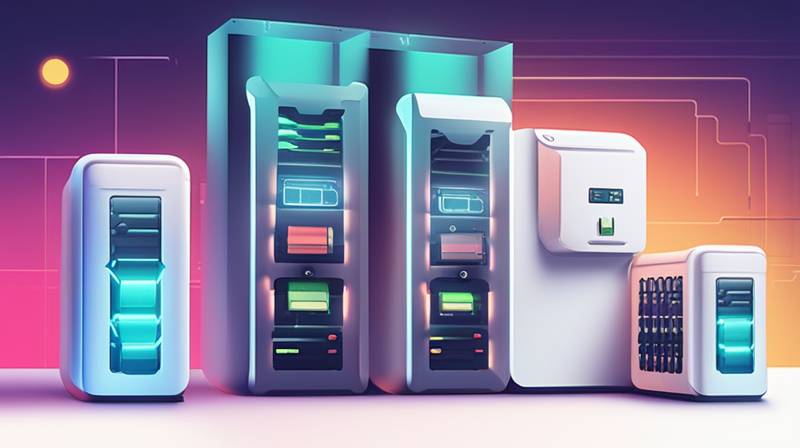
Which companies have smart energy storage power stations?
The landscape of smart energy storage power stations is advanced by a multitude of companies, each contributing unique technologies and innovations. 1. Tesla, 2. LG Chem, 3. Samsung SDI, 4. Fluence, 5. Panasonic lead the forefront of the smart energy storage market. Tesla, for instance, has developed the Powerwall and Powerpack, designed for residential and commercial energy storage. Fluence, a joint venture between Siemens and AES, offers scalable solutions that are customizable to meet diverse energy needs. The commitment to sustainable energy solutions drives these entities, transforming the future of energy management. The technological capabilities and focus on renewable energy storage signal a pivot towards greener alternatives in energy consumption. The robust advancements made by these companies not only provide means to harness energy for later use but also contribute significantly towards enhancing grid stability and reducing reliance on fossil fuels.
1. TESLA’S ENERGY STORAGE INNOVATIONS
The realm of energy solutions has seen Tesla emerge as a dominant player thanks to its innovative approach to energy storage. Tesla’s Powerwall revolutionized the home energy storage market, providing homeowners not only with autonomy over their energy consumption but also enabling them to utilize renewable sources more efficiently. With its user-friendly design and cutting-edge technology, Powerwall allows users to store energy during off-peak hours when electricity rates are lower and release it during high-usage periods when demand—and costs—skyrocket. This strategic use of energy significantly reduces utility bills and enhances energy independence.
In commercial applications, Tesla’s Powerpack fulfills a critical role by accommodating larger-scale energy storage requirements. It can manage demand charges, which are imposed by utilities when consumption is high. By deploying multiple Powerpack units to aggregate energy, businesses can achieve not just cost savings, but also improve their carbon footprints through reliance on renewable energy sources. Tesla’s integration of software with hardware allows real-time monitoring and optimization of energy use, thus ensuring that energy storage systems are working at peak efficiency. This integration further supports the stability and reliability of the entire energy grid.
2. LG CHEM’S EXTENSIVE PRODUCT PORTFOLIO
LG Chem has established itself as a notable force in the smart energy storage market, driven by its commitment to providing high-efficiency lithium-ion batteries. With a diversified portfolio ranging from residential solutions to large-scale industrial storage systems, LG Chem tailors its offerings to meet the specific needs of various customer segments. Its RESU (Residential Energy Storage Unit) line is particularly noteworthy. It has been designed for seamless integration with solar panel systems, allowing homeowners to store excess solar energy generated during the day for use during the night or cloudy days.
Moreover, LG Chem is not only focused on residential solutions; its commercial and utility-scale storage systems play a pivotal role in grid stabilization. By implementing advanced energy storage technologies that support renewable energy integration and peak shaving, LG Chem addresses the critical challenges of energy management faced by utilities. The company also invests heavily in research and development to improve battery efficiency and durability. Their proactive approach encapsulates a crucial aspect of advancing energy storage technologies, ensuring that both performance and longevity are maximized in all applications.
3. SAMSUNG SDI’S CUTTING-EDGE TECHNOLOGIES
SAMSUNG SDI stands out as a leading innovator in the field of smart energy storage solutions. With a strong emphasis on R&D, Samsung SDI develops high-capacity batteries that are integral for energy stability and reliability. Their product offerings range from home energy storage systems to large-scale commercial and industrial applications. The Samsung SDI ESS (Energy Storage Systems) is a compelling solution for companies looking to optimize their energy consumption strategies. This system employs advanced lithium-ion technology that enhances efficiency while minimizing space requirements.
In addition to state-of-the-art materials and engineering, Samsung SDI places great emphasis on sustainability in its operations. They have implemented measures to reduce their ecological impact throughout the production and life cycle of their batteries. Their commitment to environmental responsibility is coupled with strategic partnerships aimed at expanding their energy storage capabilities globally. By leveraging their technological prowess and collaborative synergies, Samsung SDI is poised to lead the charge toward smarter, cleaner energy solutions, thereby reinforcing the essential role of energy storage in modern power systems.
4. FLUENCE’S CUSTOMIZED ENERGY SOLUTIONS
The joint venture between Siemens and AES, known as Fluence, has created a platform that excels in providing customized energy storage solutions at scale. Focused on delivering services tailored to meet the diverse demands of utilities around the globe, Fluence emphasizes flexibility and effective integration of renewable energy. Their Fluence Gridstack and Fluence Mosaic products cater to various market needs, from utility-scale storage to commercial battery systems. This versatility ensures not only the enhancement of energy reliability and stability but also the incorporation of renewable resources into the grid.
Fluence is heavily invested in leveraging analytics and machine learning to optimize energy outputs. Through their Fluence AI system, they analyze vast troves of data to predict energy usage trends and demand fluctuations, thereby enabling more intelligent energy storage and deployment strategies. This proactive use of technology emphasizes Fluence’s priority on maximizing efficiency and minimizing costs for their clients. Thus, Fluence stands as a prime example of how modern technology can be harnessed to improve energy storage systems.
5. PANASONIC’S HUMAN-CENTERED DESIGN
Panasonic is synonymous with innovation in various sectors, including energy solutions. The company has invested considerably in the development of smart energy storage systems that align with the pursuit of sustainable living. Their alliance with Tesla has garnered significant attention, particularly for the Gigafactory in Nevada, where they produce lithium-ion battery cells crucial for energy storage products. Panasonic’s focus on human-centered design ensures that these solutions are not only technologically advanced but also user-friendly, catering to consumer needs effectively.
The breadth of Panasonic’s research and development initiatives guarantees that they remain at the cutting edge of energy storage technology. This commitment manifests in their solar storage systems, which are designed to optimize the consumption of renewable energy for residential use. By storing solar energy produced during peak sun hours, Panasonic enables homeowners to lessen their reliance on fossil fuels, ultimately benefiting the environment while also providing financial savings. Panasonic’s holistic approach towards energy storage emphasizes a long-term vision for sustainable energy practices in homes and businesses alike.
FREQUENTLY ASKED QUESTIONS
WHAT IS SMART ENERGY STORAGE?
Smart energy storage refers to the utilization of advanced battery technologies and systems to store energy for future use, ensuring that electricity is available as needed. These systems can range from residential installations, such as Tesla’s Powerwall, to large commercial setups that help balance energy loads on the grid. The incorporation of smart technologies allows for real-time monitoring, predictive analytics, and optimization of energy usage, which not only enhances efficiency but also supports the integration of renewable energy sources into the existing power infrastructure. As your home or business incorporates smart energy storage solutions, you gain autonomy over your energy consumption patterns, potentially reducing costs and promoting sustainability.
HOW DO SMART ENERGY STORAGE SYSTEMS IMPACT RENEWABLE ENERGY USAGE?
Smart energy storage systems play a pivotal role in maximizing the effectiveness of renewable energy sources, such as solar and wind. These systems store excess energy generated during peak production times (e.g., sunny afternoons for solar) and make it available during periods of low production or high demand. Subsequently, they mitigate the inherent intermittency of renewable sources, enabling a more robust integration of renewables into the grid. This not only increases the reliability of power supply but also encourages a shift towards sustainable energy practices among consumers and businesses alike. With the growing adoption of smart energy storage, the potential to significantly reduce reliance on fossil fuels is more achievable than ever.
WHICH INDUSTRIES BENEFIT MOST FROM SMART ENERGY STORAGE?
Various industries, including residential, commercial, and utility sectors, stand to benefit immensely from smart energy storage solutions. In residential settings, homeowners harness energy storage to lower expenses by utilizing stored energy during peak hours. Meanwhile, for businesses, energy storage can lead to substantial savings by allowing them to shift usage away from periods with high demand charges. Utilities benefit through enhanced grid stability, leveraging energy storage to balance supply and demand more effectively. Additionally, sectors focused on renewable energy deployment continuously explore storage solutions to address fluctuations in generation, thus solidifying energy security. Ultimately, smart energy storage serves as a catalyst for efficiency and sustainability across numerous sectors.
The contributions of leading companies in the realm of smart energy storage power stations reflect a transformative approach to energy management. Each organization harnesses unique methodologies and technologies tailored to meet emerging energy demands in a rapidly evolving environment. By focusing on innovation, sustainability, and efficiency, these companies are not merely developing energy storage solutions; they are crafting the future of energy consumption. The strategic integration of energy storage systems enhances grid reliability, facilitates the adoption of renewable sources, and empowers consumers with greater control over their energy needs. As countries worldwide strive towards reducing their carbon footprints, the role of energy storage will inevitably grow in importance, offering a pivotal solution to the challenges of modern energy consumption. Through collaboration, research, and technological advancement, businesses in this sector will pave the way for a cleaner, smarter, and more sustainable energy future. Their ongoing commitment to enhancing energy storage technologies signals an exciting era of innovation, where consumer accessibility to sustainable energy becomes a reality. Therefore, investment in smart energy storage is not just a matter of individual benefit but a quintessential aspect of global efforts towards an environmentally conscious energy grid.
Original article by NenPower, If reposted, please credit the source: https://nenpower.com/blog/which-companies-have-smart-energy-storage-power-stations/

