

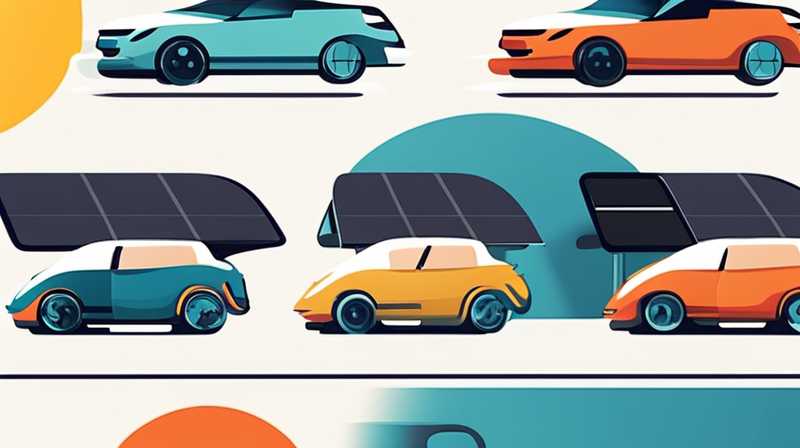
1. The automotive industry has made significant strides in integrating solar technology into vehicle design, particularly through the introduction of solar sunroofs. This innovative feature is currently available in several models from leading manufacturers. 2. Among the notable vehicles equipped with solar sunroofs are the Tesla Model S, the Hyundai Sonata Hybrid, and the Toyota Prius Prime. This technology enhances energy efficiency by harnessing sunlight to power various vehicle systems, thereby reducing reliance on the internal combustion engine and promoting sustainability. 3. The concept of using solar energy in vehicles is not just a futuristic idea; it is becoming a reality in various car models, and its implications for the environment are profound. 4. As the demand for eco-friendly options continues to escalate, the integration of solar sunroofs in more car models is anticipated in the future, representing a pivotal shift in how we envision sustainable transportation.
1. EVOLUTION OF SOLAR TECHNOLOGY IN AUTOMOBILES
The evolution of solar technology within the automotive sector is a fascinating journey, rooted in the broader context of renewable energy advancements. Solar technology, which harnesses sunlight and converts it into usable energy, has transitioned from traditional fixed installations to more dynamic applications, including vehicles. Over recent years, the integration of solar panels into cars has emerged as a viable solution to complement electric power, enhancing energy efficiency and promoting sustainability. The main driving factors behind this evolution comprise innovations in photovoltaic cell technology, decreasing costs of solar materials, and increasing consumer interest in sustainability.
As solar panel designs and efficiency have improved, manufacturers have begun to recognize the potential of incorporating this technology into their vehicles. With advancements in lightweight materials and enhanced solar cell efficiency, it has become more feasible to integrate solar panels without significantly increasing the weight or cost of the vehicle. These developments have led to designs that can seamlessly incorporate solar sunroofs, allowing vehicles to generate their own energy. Consequently, the emphasis on eco-friendly alternatives has aligned perfectly with these technological advancements, leading to the current landscape of mainstream vehicles featuring solar sunroofs, setting a precedent for future automotive designs. This trajectory indicates a growing commitment to sustainability among manufacturers, reflecting broader societal shifts toward greener energy solutions. Automakers are poised to deepen their commitment to renewable energy, embracing solar technology as an integral part of their offerings.
2. BENEFITS OF SOLAR SUNROOFS
Incorporating solar sunroofs into vehicles yields numerous advantages, transforming the driving experience. The first notable benefit is enhanced energy efficiency, allowing for on-the-go energy generation for auxiliary systems. Rather than solely relying on the vehicle’s battery, the sunroof’s integrated solar panels can power elements such as ventilation fans, navigation systems, and infotainment units, consequently extending the overall range of electric vehicles. This energy independence is especially advantageous for long-distance drivers who wish to optimize their energy consumption.
Moreover, solar sunroofs contribute to sustainability by reducing carbon footprints. Vehicles equipped with solar technology promote a cleaner environment by harnessing renewable energy, which helps to diminish reliance on fossil fuels. As societies grapple with the undeniable implications of global warming and climate change, solar-integrated vehicles serve as a tangible step toward minimizing greenhouse gas emissions. Furthermore, the ability to generate energy from sunlight mitigates the necessity for constant charging and reliance on electric grids, making such vehicles particularly advantageous in remote areas where charging infrastructure may be limited.
In addition to energy efficiency and sustainability, the aesthetic appeal of solar sunroofs cannot be overlooked. Many contemporary consumers favor sleek designs and modern features in their vehicles. Solar sunroofs add a stylish flair, enhancing the overall visual appeal of the vehicle while simultaneously serving an essential function. The fusion of beauty and functionality is increasingly regarded as a significant selling point in today’s competitive automotive market, allowing manufacturers to attract conscientious consumers who value both form and function.
3. AVAILABLE MODELS WITH SOLAR SUNROOFS
An array of automobile manufacturers have embraced the integration of solar sunroofs in their respective models, showcasing a commitment to innovative technology and environmental conscious solutions. The Tesla Model S, widely known for its electric prowess, offers the option of a solar sunroof that enhances overall vehicle efficiency. By integrating solar technology, it allows the vehicle to maintain battery levels for cabin conditioning and electronics, especially during idle periods. The solar sunroof adds an advanced touch to the Model S while contributing to its eco-friendly nature.
Hyundai’s Sonata Hybrid is another exemplary model featuring a solar sunroof. This vehicle incorporates photovoltaic cells into its glass roof, allowing it to harness solar energy to charge the hybrid battery. This unique feature allows for an increase in fuel efficiency, ultimately resulting in lower emissions. Such innovations set Hyundai apart as a brand committed to sustainable practices, catering to environmentally conscious consumers seeking efficiency without compromising style or performance.
The Toyota Prius Prime, a familiar name in the hybrid vehicle market, also incorporates a solar roof in its design. This model not only boasts impressive fuel economy, but the solar sunroof captures solar energy to power various onboard features, reinforcing Toyota’s long-standing commitment to eco-friendliness. As solar energy becomes increasingly popular, Toyota’s approach emphasizes the dual focus on efficiency and innovation, especially critical as global attention shifts toward renewable energy sources.
Besides these prominent models, various other manufacturers are beginning to roll out vehicles equipped with solar sunroofs. As more automotive brands recognize the potential of solar technology in meeting consumer demands for sustainability, the upcoming years are expected to bring forth an even more extensive selection of vehicles featuring this cutting-edge technology. This trend highlights a pivotal change within the automotive industry, signaling a move toward incorporating renewable energy solutions across more models.
4. CHALLENGES AND LIMITATIONS
Despite the numerous benefits associated with solar sunroofs, challenges remain in their widespread adoption. One primary limitation stems from the efficiency of solar panels, particularly in terms of their energy conversion capabilities. While advancements have enhanced the efficiency of solar cells, the amount of energy generated by rooftop panels can still fall short of what is required to power the entire vehicle. The reliance on sunlight renders it impractical in regions with frequent overcast weather or short daylight periods, thus limiting the effectiveness of this technology under certain conditions.
Another concern is the financial aspect associated with solar integration in vehicles. The initial costs for incorporating solar sunroofs can be prohibitively high for both manufacturers and consumers. The sophisticated technology and materials required for solar systems add to the overall production costs, leading some manufacturers to choose traditional methods over solar enhancements in their vehicle designs. This can result in a limited selection for consumers seeking solar-integrated vehicles, hindering broader market penetration.
The issue of aesthetic integration also poses challenges. While solar sunroofs can enhance the vehicle’s appearance, designing them to align with diverse car shapes and sizes can be complex. Ensuring that solar panels are aesthetically pleasing without sacrificing function requires a commitment to R&D, a journey that could prolong the integration process of sunroofs into remaining vehicle designs. Moreover, adapting designs to meet consumer aesthetics while accommodating the necessary solar technology further complicates development efforts.
Furthermore, maintenance and durability of solar sunroofs pose potential concerns. While solar technology is generally robust, the integration of solar panels into vehicles requires durable materials that withstand various environmental factors. Consumer awareness of possible maintenance and replacement issues may affect perceptions of solar technology’s long-term viability, causing hesitation among potential buyers. Thus, addressing these challenges is essential for fostering acceptance and widespread adoption of solar sunroofs in the automotive market.
5. FUTURE OF SOLAR SUNROOFS IN AUTOMOBILES
The future of solar sunroofs within the automotive industry appears promising, driven largely by advancements in technology and increasing consumer demand for sustainable transportation solutions. Further innovations in solar panel efficiency and energy storage present numerous opportunities for growth. Researchers and manufacturers continue to explore alternatives such as perovskite solar cells and organic photovoltaic materials, which can theoretically lead to even higher efficiency rates, ultimately expanding the utility of solar energy in vehicles.
In addition to technological advancements, government policies and incentives supporting green initiatives will play a crucial role in the adoption rates of solar sunroofs. As emissions regulations become stricter, automakers may be compelled to explore renewable energy options, thereby reinforcing commitments to integrating solar technology into vehicle designs. Meanwhile, consumer awareness regarding climate change and the impact of fossil fuel usage may drive demand for eco-friendly options, prompting manufacturers to expand their solar-integrated offerings.
Moreover, partnerships between automotive companies and energy providers could facilitate the integration of solar technology into a more extensive range of vehicles. Such collaborations may foster the development of innovative charging solutions and produce expansive networks that utilize solar energy, effectively streamlining the entire ecosystem surrounding electric and hybrid vehicles. As technology matures and public attitudes shift, the potential for solar sunroofs will significantly extend beyond consumer vehicles.
The timeline for widespread adoption of solar sunroofs may vary, but the trajectory supports a notable upturn in interest and investment in sustainable automotive solutions. The convergence of consumer demand, technological progress, and supportive policymaking sets the stage for solar sunroofs to flourish within modern automotive designs, paving the way for a greener future.
SOLAR SUNROOFS FAQS
WHAT ARE SOLAR SUNROOFS?
Solar sunroofs are specialized panels integrated into a vehicle’s roof, designed to capture sunlight and convert it into electrical energy. These panels generate power for vehicle systems, such as battery charging and accessories, enhancing the vehicle’s overall efficiency. By utilizing solar energy, cars equipped with solar sunroofs can reduce dependency on traditional charging, particularly useful in hybrid and electric vehicles. In addition to providing power for operational needs, they contribute to lower emissions and a more sustainable driving experience. As advancements in solar technology develop, the integration of these sunroofs in a broader range of vehicles is expected, promising a shift towards greener automotive solutions.
HOW DO SOLAR SUNROOFS FUNCTION IN CARS?
The functionality of solar sunroofs relies on photovoltaic technology, converting sunlight into electrical energy. When sunlight hits the solar cells embedded within the sunroof, the photovoltaic effect generates electricity, which can then be utilized to charge the vehicle’s battery or support auxiliary functions like climate control, navigation, and entertainment systems. Typically, the energy harvested can substantially reduce the necessary load on the vehicle’s main power source, allowing for extended driving range and improved fuel efficiency. Notably, the energy generated may not completely replace traditional charging, especially for fully electric models, but it operates to enhance overall energy management and diminish the reliance on conventional energy sources.
WHAT AUTOMAKERS OFFER CARS WITH SOLAR SUNROOFS?
A variety of automakers have incorporated solar sunroofs in their models, showcasing their commitment to sustainable technology. Prominent examples include the Tesla Model S, Hyundai Sonata Hybrid, and Toyota Prius Prime. Each of these vehicles utilizes solar energy differently, powering various electronic systems and contributing to improved energy efficiency. Beyond these models, many manufacturers are exploring and testing new designs as consumer demand for eco-friendly vehicles intensifies. As research progresses, the availability of solar sunroofs is likely to expand significantly, offering consumers more options across diverse automotive brands in the near future.
The rise of solar sunroofs within the automotive sector represents a profound shift toward environmentally conscious transportation. With an increasing number of manufacturers adopting this technology and consumers demanding sustainable options, it is evident that solar sunroofs are here to stay. The integration of renewable energy solutions aligns with global efforts to combat climate change and foster cleaner air, making it imperative for automakers to explore innovative designs further.
As advancements in solar technology continue to develop, not only can we expect improvements in energy efficiency and systems integration, but we can also anticipate a burgeoning market for eco-friendly vehicles. Future consumers are anticipated to favor vehicles with solar sunroofs, leading to widespread adoption among manufacturers; this transition will facilitate unprecedented changes in reducing harmful emissions and fostering sustainability across the automotive landscape. Moreover, as governmental policies reinforce the push for greener technologies, combined with evolving consumer attitudes toward environmental responsibility, the time for solar sunroofs promises to revolutionize how we perceive and operate personal vehicles. Ultimately, solar sunroofs mark the beginning of a remarkable journey toward a cleaner, more sustainable automotive future, encouraging both manufacturers and consumers to seek innovative solutions for combating environmental challenges.
Original article by NenPower, If reposted, please credit the source: https://nenpower.com/blog/which-cars-have-solar-sunroofs-2/

