

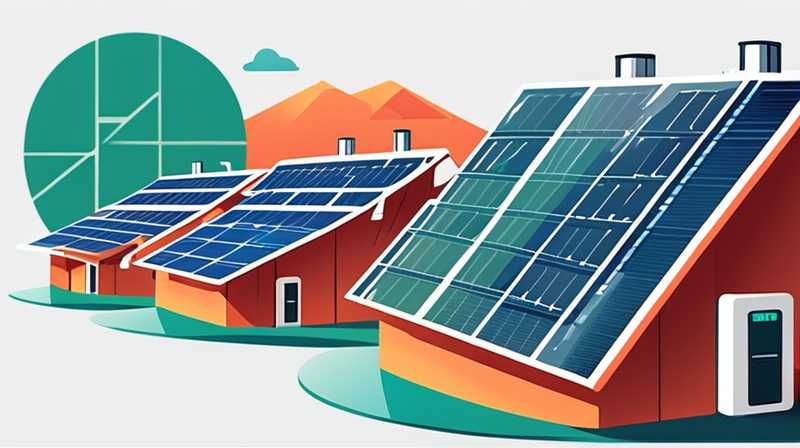
1. The optimal locations for solar photovoltaic power stations include vast, open areas, rooftops of commercial buildings, and brownfields, each offering distinct advantages for energy production. 2. Open desert landscapes, particularly in regions with high sun exposure, allow for expansive installations that can harness maximum solar energy. 3. Urban rooftops present an attractive opportunity due to their existing infrastructure, capitalizing on otherwise unused space. 4. Brownfields, or previously developed lands, can be revitalized for energy use while preventing further environmental degradation.
In summary, ideal locations for solar photovoltaic power stations can be classified into three major categories: vast open areas, urban rooftops, and brownfields. Each site contributes significantly to the efficiency and sustainability of solar energy generation. Open desert landscapes, particularly in regions characterized by ample sunlight, allow for extensive array installations that optimize energy capture. Urban rooftops not only utilize space that would otherwise remain underutilized but also contribute to urban energy needs sustainably. Finally, repurposing brownfields offers an opportunity for ecological rejuvenation while creating renewable energy production facilities, thus supporting a dual purpose of environmental recovery and sustainable energy output.
1. VAST OPEN AREAS
The deployment of solar photovoltaic (PV) power stations in vast, open areas presents one of the most effective strategies for maximizing solar energy production. Locations such as deserts or wide, flat terrains offer several advantages, including minimal shading and greater exposure to sunlight. The expansive landscapes facilitate the installation of large-scale solar farms, which can significantly contribute to the electricity grid.
Moreover, these regions often have lower land values compared to urban areas. This economic factor becomes crucial in assessing overall project feasibility, reducing the upfront capital expenditures associated with land acquisition. By focusing on regions that are sparsely populated, developers can minimize potential conflicts with local communities while also gaining access to large tracts of land, thus enhancing the overall capability for energy generation.
2. URBAN ROOFTOPS
Urban rooftops stand out as a unique yet underutilized opportunity for solar photovoltaic installations, particularly in densely populated metropolitan areas. The advantages of harnessing solar energy from rooftops are manifold. First and foremost, these installations take advantage of already developed lands, thus avoiding additional ecological disruption. It allows cities to become more sustainable and energy-efficient by utilizing existing infrastructure.
Furthermore, installing solar panels on urban rooftops can significantly reduce the dependency on fossil fuels for energy generation. This not only helps meet local energy demands but also contributes to lowering greenhouse gas emissions in urban settings. The integration of solar energy into urban landscapes fosters a sense of community engagement, as residents and local businesses alike can participate in the transition to renewable energy sources.
3. BROWNFIELD SITES
Repurposing brownfield sites for solar photovoltaic power stations represents a novel and ecologically responsible approach to energy generation. Brownfields are previously developed lands that may be contaminated or underutilized, often as a result of former industrial activities. By transforming these areas into sites for renewable energy production, stakeholders can effectively remediate polluted lands while simultaneously contributing to the growing energy sector.
Selecting these sites comes with unique challenges, such as the necessity for environmental assessments to ensure safety before construction. However, with advancements in remediation technologies, many brownfields can allow for safe solar development while also revitalizing the local economy by creating jobs during the installation and maintenance phases. Ultimately, this creates a dual win for the community: better land use coupled with cleaner energy production.
4. NEAR EXISTING INFRASTRUCTURE
Constructing solar photovoltaic power stations adjacent to existing infrastructure can yield significant logistical advantages in terms of energy distribution and minimized costs. Proximity to power lines or substations allows for more straightforward integration into the energy grid, enhancing efficiency in energy transfer. This arrangement minimizes transmission losses, ultimately making solar energy more accessible and reliable for end-users.
Additionally, developed infrastructure often comes with established maintenance systems and local expertise, which can streamline future operational logistics. These sites may also benefit from existing roads, decreasing transportation costs associated with transporting solar panels and installation materials. By situating solar farms near existing infrastructure, stakeholders not only enhance the viability of solar deployment but also reduce the overall carbon footprint associated with construction.
5. COMMUNITY ENGAGEMENT AND SUPPORT
For solar photovoltaic power stations to realize their full potential, community support and engagement are fundamental. Involving local stakeholders from the planning phase can foster a sense of collaboration and unity, ultimately resulting in better outcomes for renewable energy projects. Providing educational resources regarding the benefits of solar energy and its impact on reducing carbon emissions can promote a positive image within communities and garner public support.
Moreover, community solar projects allow local residents to invest in solar energy, enabling access to renewable energy for those who cannot afford to install panels on their properties. This not only democratizes clean energy access but also stimulates local economies by creating jobs in the installation and maintenance phases, thus ensuring ongoing community engagement and support.
6. REGULATORY CONSIDERATIONS
When identifying suitable locations for solar photovoltaic installations, understanding the regulatory landscape is critical. Various jurisdictions may have different regulations that govern land use, environmental assessments, and construction processes. Engaging with local authorities early in the project planning phase can help navigate these complexities efficiently and expedite permitting processes.
Additionally, state and federal incentives can significantly influence the economic feasibility of solar projects. Tax credits, grants, or subsidies may be available to incentivize solar energy installations, thus making the economic case for solar more attractive to investors. Understanding and leveraging these incentives will further bolster the success and sustainability of solar power stations.
WHAT ARE THE BENEFITS OF SOLAR PHOTOVOLTAIC POWER STATIONS?
Numerous advantages characterize solar photovoltaic power stations, appealing to various stakeholders. Central among them is the potential for reducing greenhouse gas emissions; as a clean energy source, solar contributes to combating climate change while mitigating pollution. Additionally, once installed, solar systems offer low ongoing maintenance costs, allowing for long-term savings.
Another benefit lies in energy independence. Harnessing solar power lessens reliance on fossil fuels and external energy sources, enhancing national energy security. Moreover, solar power stations create economic opportunities; they can stimulate job creation not only during installation but also in ongoing maintenance and support roles. The establishment of these facilities can further stimulate local economies through the development of new industries focused on renewable energy solutions.
HOW DO SOLAR PHOTOVOLTAIC POWER STATIONS IMPACT LOCAL COMMUNITIES?
The introduction of solar photovoltaic power stations can have profound ripple effects in local communities. Firstly, these installations foster economic growth by generating jobs, from construction labor to ongoing operational roles, invigorating the local job market. Additionally, by providing accessible, renewable energy, these power stations can lower energy costs for consumers, thereby enhancing the quality of life for residents.
However, community impacts can vary, leading to potential concerns around land use and aesthetics. Active engagement with the community throughout planning phases can alleviate misunderstandings and foster an environment of cooperation. Overall, solar photovoltaic power stations, when integrated thoughtfully, have the potential to enhance sustainable communities while promoting renewable energy initiatives.
CAN SOLAR PHOTOVOLTAIC POWER STATIONS BE DEPLOYED IN URBAN AREAS?
Absolutely, deploying solar photovoltaic power stations in urban areas is not only viable but increasingly beneficial. Urban rooftops and vacant lots can serve as excellent locations for solar installations, harnessing sunlight that many buildings receive, even in densely populated areas. The installation of solar panels on rooftops reduces the heat island effect commonly observed in cities while simultaneously utilizing otherwise unproductive space for energy generation.
Furthermore, cities are often bustling centers of energy consumption, meaning local solar production aligns well with demand. This localized approach can enhance energy security and resilience, especially during peak usage times. Overall, the combination of renewable energy installations within urban landscapes can create a sustainable future while facilitating the transition to cleaner energy sources at the local level.
The exploration of optimal locations for solar photovoltaic power stations reveals the multifaceted benefits and strategic considerations involved. Vast, open areas provide unmatched sun exposure and minimal land costs, essential for large-scale energy production. Urban rooftops offer innovative solutions for harnessing energy amidst growing population densities, turning unused spaces into productive assets. Brownfield sites present a mutually beneficial opportunity to rehabilitate contaminated land while generating renewable energy, encouraging ecological recovery in tandem with technological advancement.
The discourse surrounding the deployment of solar photovoltaic power stations extends beyond mere energy generation; it significantly influences community dynamics, economic landscapes, and environmental stewardship. By engaging local communities, adhering to regulatory frameworks, and leveraging existing infrastructure, stakeholders can ensure a smooth transition towards sustainable energy solutions that benefit both the planet and local economies. As the world moves towards a greener future, the careful planning and strategic placement of solar power stations will play a pivotal role in shaping a reliable, renewable energy landscape. Such initiatives not only illustrate a commitment to environmental responsibility but also empower communities to take charge of their energy destinies.
Original article by NenPower, If reposted, please credit the source: https://nenpower.com/blog/where-to-build-solar-photovoltaic-power-stations/

