

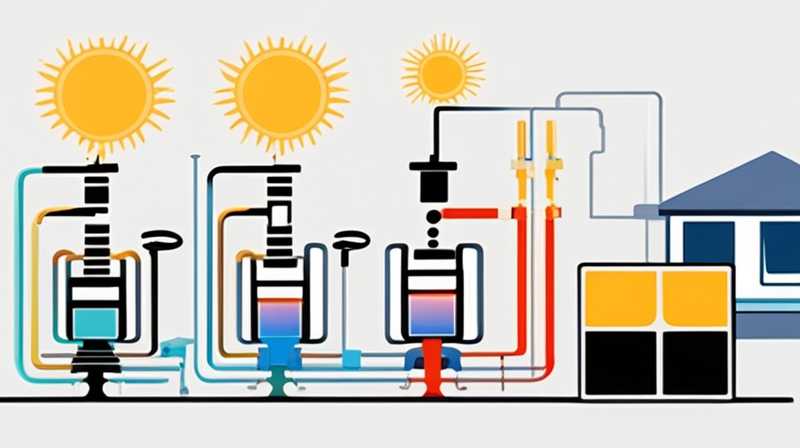
In installations involving irrigation systems, the solar solenoid valve is typically positioned within the main water supply line or directly next to the irrigation controller. 1. This installation is crucial for the proper functioning of an automated irrigation system, allowing it to control the flow of water based on programmed schedules and environmental conditions. 2. Furthermore, the location of the valve must ensure ease of access for maintenance and repairs. 3. Proper installation contributes to overall system efficiency, enhancing water usage and minimizing waste. 4. Additionally, it is advisable to install the valve in a location sheltered from extreme weather conditions to prolong its lifespan.
1. IMPORTANCE OF SOLAR SOLENOID VALVES
The adoption of solar solenoid valves in irrigation management signifies a shift towards more ecologically responsible practices. Ecological benefits stem from maximizing water efficiency, critical in regions experiencing water scarcity. Traditional irrigation often involves substantial waste, which can be significantly reduced with the implementation of these valves. This modern technology enables precise control over water delivery, reducing unnecessary consumption.
Another significant factor is the automation aspect. By integrating solar solenoid valves with programmable controllers, users can establish tailored irrigation schedules. These schedules can adapt to fluctuations in weather patterns, ensuring crops and gardens receive adequate moisture without overwatering. Automation not only conserves water but also saves time for the user, allowing for more energy-efficient farming practices. Thus, the inclusion of solar solenoid valves represents a critical advancement in irrigation technology.
2. IDEAL LOCATIONS FOR INSTALLATION
When contemplating the placement of solar solenoid valves, several factors warrant careful consideration for optimal performance. The optimal location within the irrigation system depends on water flow, pressure, and accessibility to power sources. Generally, positioning these valves close to the water source streamlines installation and enhances efficiency.
Moreover, the proximity to a power supply is also essential. Solar panels typically require adequate sunlight exposure, meaning that the area must be clear of obstructions such as trees or buildings. A clear line of sight allows solar panels to operate at peak effectiveness, ensuring the solenoid valve functions seamlessly. Additionally, choosing a location easily accessible for maintenance is crucial. Areas that are hard to reach can lead to inefficiencies in managing irrigation systems over time, making accessibility a key consideration.
3. INSTALLATION PROCESS
Successfully installing solar solenoid valves demands careful attention to detail. Minimizing unnecessary disruptions during installation is essential for long-term system integrity. Initially, locate the main water line where the valve will be installed. Shut off the water supply to avoid leaks or flooding during this process.
Next, the cutting of the pipeline must be performed with precision. Use appropriate tools to ensure clean cuts and avoid damage to surrounding lines. Following this, the valve should be connected. Ensure that connections are tight and watertight to prevent leaks down the line. Once the solar panel is connected, ensure it is positioned for optimal sunlight exposure. This meticulous installation procedure is crucial to achieving a fully operational solar solenoid valve.
4. MONITORING AND MAINTENANCE
Post-installation, implementing a regular monitoring and maintenance regimen is vital to ensure functionality over time. Routine checks of the solar panels are necessary to ensure they remain free of debris, which could obstruct sunlight. Periodically cleaning the panels can enhance their efficiency, maximizing the operation of the solar-powered solenoid valve.
Moreover, inspecting the valve for leaks or malfunctions plays a crucial role in maintenance. Any signs of water leakage should be addressed immediately to prevent further damage to the irrigation system. Over time, seals and connections may wear out, necessitating replacement to preserve optimal function. By adhering to a detailed monitoring and maintenance plan, users can significantly extend the lifespan and efficacy of solar solenoid valves within their irrigation systems.
FAQs
WHERE CAN I PURCHASE A SOLAR SOLENOID VALVE?
Depending on your location, solar solenoid valves can be purchased from various sources including online marketplaces, specialty irrigation supply stores, and home improvement centers. Online platforms such as Amazon, eBay, and dedicated irrigation suppliers offer a wide range of options catering to different needs and budgets. Physical stores may allow for an easier examination of the products before purchase, ensuring compatibility with existing systems. Additionally, consulting with local agricultural supply retailers may yield expert recommendations based on regional conditions and specific irrigation requirements. It is critical to evaluate product specifications and reviews to make informed purchases, ensuring optimal performance in your irrigation setup.
HOW DO I KNOW IF MY SOLAR SOLENOID VALVE IS FUNCTIONING PROPERLY?
To assess the functionality of a solar solenoid valve, conduct regular checks on the watering output during scheduled irrigation cycles. Start by observing if the valve opens and closes as programmed. If the irrigation system remains dry or experiences flooding, this may indicate a malfunction. Visual inspections are equally important; check for visible leaks, rust, or signs of wear on the valve and its connections. Furthermore, ensuring proper power supply to the valve is essential, as inadequate solar energy will impede its operation. If issues persist, consult the manufacturer’s manual or seek professional assistance to diagnose and rectify any underlying problems effectively.
WHAT SHOULD I DO IF MY SOLAR SOLENOID VALVE MALFUNCTIONS?
Should a solar solenoid valve show signs of malfunction, it is imperative to diagnose the problem methodically. Start by ensuring there are no disruptions in power supply, as inadequate energy may hinder operation. Inspect the valve for any visible signs of leakage, blockages, or mechanical failure. If substantial issues are detected, it may be necessary to disassemble and clean the valve components thoroughly. If cleaning does not rectify the situation, consider contacting customer support or a professional technician knowledgeable in irrigation systems. Timely intervention can prevent further complications, ensuring that your irrigation system resumes optimal performance efficiently.
In summary, understanding the correct installation location, maintaining the system, and ensuring proper operation are integral aspects of utilizing a solar solenoid valve. The myriad benefits these valves bring to irrigation underscore the importance of making informed choices regarding their use. By embracing technology that promotes sustainability in agricultural practices, users contribute positively to both their operational efficiency and environmental protection. Proper consideration of installation procedures, maintenance routines, and proactive problem-solving techniques will ultimately result in successful implementation. It is essential to view such innovations not only as mere tools but as vital components of a future-focused approach to irrigation that prioritizes resource conservation and operational efficiency.
Original article by NenPower, If reposted, please credit the source: https://nenpower.com/blog/where-is-the-solar-solenoid-valve-installed/

