

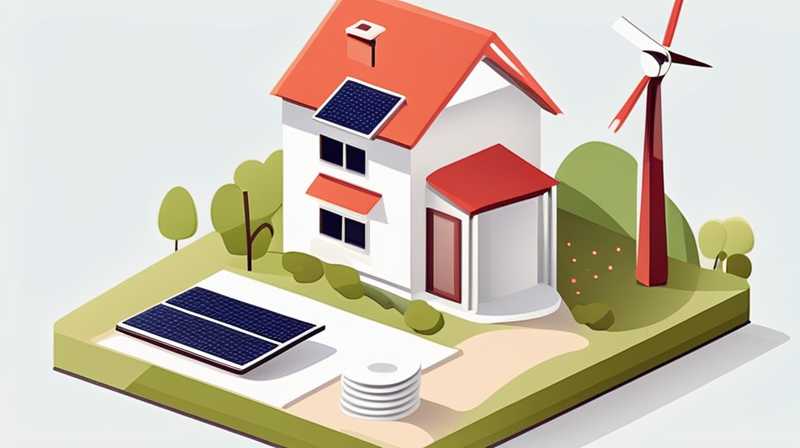
1. Home solar energy systems tend to face challenges in several specific areas, namely: 1. Inadequate sunlight exposure, 2. Poor installation practices, 3. Suboptimal equipment quality, 4. Insufficient storage solutions. A closer examination reveals that inadequate sunlight exposure significantly influences the efficiency of solar panels. Various geographical factors, seasonal weather variations, and obstructions such as trees can impede sunlight access, leading to reduced energy generation.
1. INADEQUATE SUNLIGHT EXPOSURE
One of the salient factors contributing to the underperformance of home solar energy systems lies in inadequate sunlight exposure. The geographical location of a residence plays a pivotal role in determining how much sunlight reaches solar panels. Some regions experience long seasons of cloud cover, rain, or snowfall, profoundly impacting solar energy generation. For instance, homes situated in areas with frequent inclement weather may produce far less energy than anticipated, jeopardizing household energy needs. Additionally, the time of year also influences solar output, with winter months potentially yielding diminished energy due to shorter days and inclement weather.
Obstructions such as overhanging trees or nearby structures can further exacerbate this challenge, casting shadows on the solar panels and dramatically decreasing their efficiency. Homeowners must conduct a comprehensive site assessment to identify obstacles that could potentially hinder sunlight exposure to the panels before installation. If trees are blocking sunlight, proactive measures such as trimming or removing them may be necessary. Ultimately, ensuring maximum sunlight access is critical to the successful operation of a home solar energy system.
2. POOR INSTALLATION PRACTICES
Professional installation is essential for maximizing solar panel functionality. Various factors contribute to inadequate installation methods, which can significantly hinder a system’s performance. Some installers may lack the necessary experience or technical proficiency to account for intricate site-specific variables, which may lead to errors during the installation process. An improperly aligned solar panel or an incorrect tilt angle could substantially reduce the amount of energy generated, leaving homeowners grappling with energy deficiencies.
Another concern arises from the usage of subpar mounting hardware or inappropriate electrical layouts. If the mounting hardware fails to secure the panels effectively, they may be susceptible to damage during harsh weather conditions. Further complicating matters is the potential for electrical connection errors that may not manifest immediately. System failures can emerge long after the installation has been completed, resulting in unexpected costs and ongoing headaches for homeowners. Engaging professional installation services and ensuring that the installation is executed meticulously can mitigate these risks and enhance system reliability.
3. SUBOPTIMAL EQUIPMENT QUALITY
The quality of components used in a solar energy system can dramatically influence its performance and longevity. The market is rife with various solar panels, inverters, and batteries, each with varying levels of quality and effectiveness. While homeowners may be tempted to cut costs by selecting cheaper components, doing so can lead to long-term issues, including diminished energy output and increased likelihood of breakdowns. High-quality solar panels are pivotal in converting sunlight into usable electricity efficiently.
Inverters, which convert the direct current generated by solar panels into alternating current, can also represent a weak link in the system. A poor-quality inverter may operate at lower efficiency or may even fail prematurely, disrupting energy production. Furthermore, the battery storage system utilized for storing surplus energy must also adhere to high-quality standards. Utilizing low-grade batteries can result in faster charge depletion rates and inadequate energy reserves during periods of low solar generation. Selecting superior quality components that offer reliability and robustness significantly enhances the overall functionality and efficiency of a solar energy system.
4. INSUFFICIENT STORAGE SOLUTIONS
An often-overlooked aspect of home solar energy systems is the capacity for energy storage. While solar panels can produce energy during the day, households may require power in the evenings or during periods of low solar generation. Insufficient or incompatible storage solutions contribute significantly to the system’s inability to meet energy needs when the sun is not shining. Utilizing inadequate battery solutions can lead to energy loss and reduced home energy independence.
Moreover, the choice of battery technology can impact longevity and performance. Advanced options, such as lithium-ion batteries, offer higher capacity and longer lifespan compared to traditional lead-acid batteries, which may be more cost-effective in the short term. However, with inferior storage solutions, a household risks becoming entirely reliant on the grid during non-sunny hours, nullifying the benefits of solar energy utilization. Strategically investing in quality storage options serves to enhance the overall energy independence afforded by solar installation, ensuring continuous access to power regardless of time or weather conditions.
FREQUENTLY ASKED QUESTIONS
WHAT IS THE MAIN REASON FOR SOLAR ENERGY SYSTEMS TO UNDERPERFORM?
Various factors may contribute to the underperformance of solar energy systems, but the most critical include insufficient sunlight exposure. Inadequate sunlight can stem from geographical location, seasonal weather conditions, and physical obstructions like trees or buildings. Optimal sunlight access significantly contributes to the efficiency and output of solar panels; thus, it’s imperative for homeowners to evaluate their site thoroughly before making an investment.
HOW CAN HOMES PREPARE FOR POTENTIAL ISSUES WITH SOLAR INSTALLATION?
To prevent potential complications from solar installations, homeowners should prioritize a meticulous installation process. Engaging reputable and certified professionals who possess extensive experience in solar energy systems can greatly minimize risks associated with improper installation. Additionally, conducting thorough research on component quality is essential. Equipping one’s home with high-quality solar panels, inverters, and energy storage solutions will not only promote efficient energy generation but will also enhance reliability.
ARE THERE POSSIBLE FINANCIAL IMPLICATIONS RELATED TO SOLAR ENERGY FAILURE?
Absolutely, financial implications can arise if solar energy systems fail or underperform. Homeowners may find themselves subjected to increased electricity bills as they resort to grid power to supplement their energy needs. Furthermore, issues stemming from poor installation or inferior equipment can incur unplanned repair costs, diminishing the overall return on investment. It is crucial to assess potential financial risks and weigh them against the benefits of investing in quality systems upfront.
Then, it is essential to explore the reasons that home solar energy systems may struggle to deliver optimal performance. Inadequate sunlight exposure dramatically diminishes energy harvesting, while poor installation practices can lead to technical failures that inhibit system reliability. Suboptimal equipment quality serves as a significant factor, especially given the range of materials available on the market today. Lastly, insufficient storage solutions irrevocably impact energy independence, further complicating the scenario for homeowners relying on solar technology. By understanding these key issues, potential adopters of solar energy can proactively mitigate risks and enjoy a sustainable energy future with minimized disruptions.
Original article by NenPower, If reposted, please credit the source: https://nenpower.com/blog/where-is-the-home-solar-energy-likely-to-fail/

