

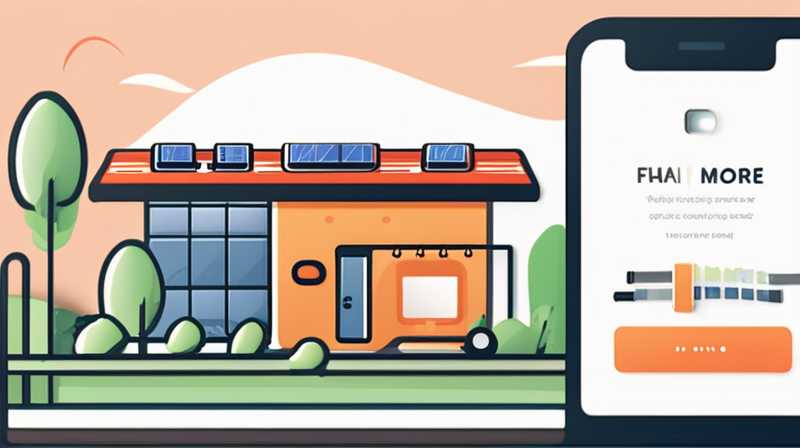
The optimal location for solar panel installation on a roof depends on several critical factors. 1. Roof orientation, maximizing sunlight exposure, and 2. Roof pitch, ensuring efficient energy production are paramount for enhancing the panels’ overall performance. Furthermore, 3. Local climate, influencing solar efficiency, should be considered. For example, areas with ample sunlight and minimal obstruction from trees or surrounding buildings can significantly boost solar panel efficiency. One highly relevant aspect is the alignment of the roof relative to the sun’s path throughout the day – ideally, solar panels should face south in the Northern Hemisphere and north in the Southern Hemisphere for maximum exposure.
The geographic location plays a significant role as well; regions with longer daylight hours substantially benefit from solar energy production. Therefore, engaging a professional installer to assess these factors can optimize energy output and ensure a more informed installation process.
1. ROOF ORIENTATION
The orientation of a rooftop is a pivotal element in determining the efficacy of solar panels. In general, south-facing roofs receive the most sunlight throughout the day in the Northern Hemisphere. This exposure results in a greater potential for energy generation as the panels capture sunlight during peak hours. Comparatively, roofs oriented towards the east or west can still be effective, yet they experience diminished sunlight exposure. For instance, an east-facing roof will receive sunlight primarily in the morning, while a west-facing roof captures sunlight primarily in the afternoon.
The effectiveness of orientation ties closely to a specific region’s sun path. Homeowners must analyze the trajectory of the sun from different angles throughout the year, as seasonal variations can impact solar intensity significantly. This examination can help property owners determine which orientation will yield the most energy. Additionally, shading from surrounding structures, trees, or other obstructions can severely reduce solar efficiency. It’s advisable to conduct a shade analysis, ideally using tools or software, to identify potential shading issues over the course of the year.
2. ROOF PITCH
A roof’s angle or pitch is another significant factor influencing solar energy production. A steeper pitch often facilitates optimal sunlight absorption, particularly in regions that experience substantial snowfall; an inclined angle allows snow to slide off more easily, reducing the chances of panel blockage. Moreover, an ideal pitch generally falls between 30 to 45 degrees. Such angles can enhance the panels’ exposure to direct sunlight, especially during the winter months when the sun’s position varies lower in the sky.
Conversely, flat roofs can be favorable for solar installations as they allow for flexible configurations. Installers can utilize mounting systems to tilt solar panels at the ideal angle, ensuring they capture maximum sunlight regardless of pitch. In urban environments, where roof space might be limited, such adjustable mounting options can optimally position the panels to face the sun while minimizing shading from nearby buildings. Ultimately, assessing the roof pitch in conjunction with other factors will yield a better overall energy production evaluation.
3. CLIMATE AND WEATHER CONDITIONS
The climatic conditions within a specific location also have profound implications for rooftop solar panel efficiency. Areas that receive abundant sunlight throughout the year generally exhibit higher energy production potential. Locations with frequent cloud cover or precipitation can hinder solar panel performance, as sunlight may not penetrate as consistently. For instance, regions with prolonged rainy seasons or excessive fog could struggle to optimize solar energy generation.
In addition to average sunlight hours, temperature plays a critical role in solar efficiency. Solar panels operate more effectively at cooler temperatures; thus, extreme heat can detrimentally impact their operational capacity. Homeowners should consider local climate data and historical weather patterns to assess the viability of solar energy production on their rooftops. If a region experiences severe storms or high winds, proper installation techniques and equipment must be in place to ensure system longevity.
4. LOCAL REGULATIONS AND INCENTIVES
Understanding zoning laws and building codes is crucial before taking steps to install solar panels on a rooftop. Many regions impose specific regulations regarding the type, size, and installation methods of solar energy systems. Homeowners must ensure compliance with these guidelines to avoid legal issues that could delay the installation process or lead to fines.
Moreover, several local and federal incentives can significantly offset installation costs. Various programs may offer tax credits, rebates, or financing options that can enhance the return on investment for solar panel systems. Engaging with a knowledgeable solar installer can help homeowners navigate these options effectively, maximizing potential financial benefits while remaining compliant with local regulations. Evaluating the financing scenarios presented through incentives can prove beneficial for homeowners looking to make sustainable energy choices without breaking the bank.
5. INSTALLATION EXPERTISE AND MAINTENANCE
Beyond selecting the right location for solar panel installations, the expertise of the installation team is paramount. Hiring seasoned professionals is essential to ensure that panels are installed correctly and positioned optimally. Skilled installers will not only adhere to industry standards but will also assess individual roof conditions, positioning panels based on the previously discussed factors.
Additionally, understanding the maintenance needs of solar panel systems is critical for ensuring longevity and performance. Regular inspection of panels, cleaning to remove debris or dirt, and monitoring output can enhance overall efficiency. Homeowners should consult with their installers about recommended maintenance schedules, and potential warranties that come with the solar panels can provide peace of mind regarding their long-term investment.
FREQUENTLY ASKED QUESTIONS
WHAT FACTORS DETERMINE THE BEST LOCATION FOR SOLAR PANEL INSTALLATION?
Several crucial aspects dictate the ideal positioning of solar panels on a rooftop. These include roof orientation, which ensures maximum sunlight exposure, and roof pitch, facilitating effective energy capture. Furthermore, the local climate significantly impacts solar efficiency; thus, areas with consistent sunlight yield better results. It is equally important to consider shading from nearby obstructions and local regulations concerning solar installations affecting the choice of location. Comprehensive assessments of these factors can significantly optimize energy generation and investment returns.
HOW DO I CHOOSE A SOLAR INSTALLATION PROFESSIONAL?
Selecting an experienced and reputable solar installation professional involves several considerations. First, evaluate their certification and licensing, ensuring they comply with industry standards. Obtain references from past clients to gauge the quality of their workmanship and punctuality. Additionally, compare multiple estimates while scrutinizing the details provided, such as materials used and warranty offered. Engaging in discussions to clarify any doubts can help ensure alignment with your expectations and project requirements. Prioritizing a professional relationship will facilitate a smoother installation process.
WHAT ARE THE LONG-TERM BENEFITS OF SOLAR ENERGY?
Investing in solar energy offers numerous long-term advantages that extend beyond immediate cost savings. Primarily, it leads to lower electricity bills, as homeowners can depend less on conventional energy sources. Additionally, utilizing solar power reduces carbon footprints, thereby contributing positively to environmental sustainability. Moreover, many regions provide incentives and tax credits that enhance return on investment. As solar technology continues to advance, the potential for energy independence evolves, offering a reliable alternative to fluctuating energy prices. Thus, a transition to solar energy can yield both financial benefits and eco-friendly impacts.
Ultimately, the decision regarding the most suitable location for solar panel installation on a rooftop necessitates a holistic analysis of several factors, encompassing the roof’s orientation, pitch, and local climate. Thorough consideration of shading and compliance with local regulations further influences energy production efficiency. Opting for professional installers ensures adherence to industry standards and maximizes energy output over time. Moreover, keeping abreast of maintenance practices is essential for long-term performance and reliability. Transitioning to solar energy not only positions homeowners to save on electricity bills but also plays a vital role in fostering environmental sustainability and promoting the use of renewable resources. Given the compelling incentives available at both local and federal levels, investing in solar energy remains a prudent choice, contributing to significant financial and ecological benefits. Thus, careful planning and a well-informed approach will pave the way for harnessing solar power effectively.
Original article by NenPower, If reposted, please credit the source: https://nenpower.com/blog/where-is-the-best-place-to-install-solar-panels-on-the-roof/

