

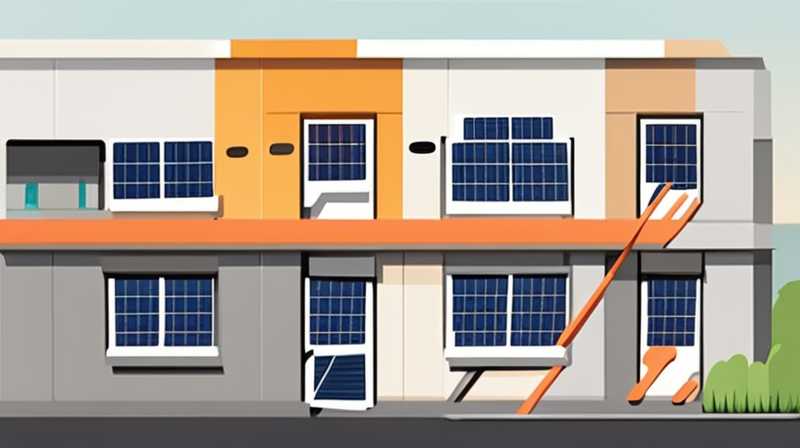
1. A solid wall-mounted flat panel solar panel option provides excellent efficiency, durability, and versatility. This type of solar panel system caters to various environments and applications, significantly reducing electricity costs. 2. The choice of solar panel hinges on factors like emission reduction, energy needs, and roof space availability. It is crucial to consider local climate conditions, as they influence overall panel efficiency, which in turn affects energy output. 3. Upfront investment costs are paramount, but the long-term savings and incentives can outweigh these expenses. A well-structured installation not only enhances property value but also contributes to environmental sustainability. 4. Research-backed brands with strong warranties and positive reviews are essential for ensuring quality and reliable performance. Such considerations ensure optimal energy generation and satisfaction with the investment.
1. UNDERSTANDING WALL-MOUNTED FLAT PANEL SOLAR PANELS
The realm of renewable energy solutions has undergone substantial growth, with wall-mounted flat panel solar panels leading the charge in both residential and commercial applications. These panels are celebrated not just for their aesthetic appeal but also for their ability to seamlessly integrate into existing structures. By harnessing sunlight, these panels convert solar energy into electricity, significantly mitigating dependence on traditional energy sources and lowering utility costs for consumers. Their importance in contributing to a greener planet cannot be overstated.
Solar energy is inherently sustainable and infinitely renewable, making it an attractive choice for reducing carbon footprints. Wall-mounted configurations are particularly beneficial in urban settings where ground space is limited, providing flexibility in deployment without occupying precious land. With advancements in technology, modern panels now offer improved efficiency rates and durability, making them increasingly viable for various clientele needs.
2. CRITERIA FOR SELECTING SOLAR PANELS
Choosing the right wall-mounted flat panel solar panel involves evaluating multiple criteria, each of which can significantly impact overall performance and satisfaction.
EFFICIENCY RATINGS
One of the critical factors to consider when selecting solar panels is the efficiency rating. Solar panel efficiency refers to how effectively a panel converts sunlight into usable electricity. Higher efficiency ratings mean that panels can generate more power with less surface area, which is particularly advantageous when space is limited. Most panels on the market today have efficiency ratings ranging from approximately 15% to 22%.
Brands like SunPower and LG are known for their high-efficiency models, often exceeding 22%, making them ideal choices for homeowners looking to maximize energy output without needing extensive installations. It is crucial to align the choice of panels with specific energy requirements to ensure that the home or facility receives adequate electricity to meet its needs. In some scenarios, opting for a slightly more efficient panel can lead to significant savings over time.
DURABILITY AND WEATHER RESISTANCE
The durability of solar panels is equally important to their performance. Wall-mounted installations are exposed to various environmental factors such as rain, hail, snow, and extreme temperatures. Panels that are built with high-quality materials and possess robust weather resistance will ensure longevity and minimize the risk of damage that could decrease efficiency. When evaluating potential options, consumers should look for panels certified for severe weather conditions, which often have higher resistance ratings.
Consider warranties offered by manufacturers; a longer warranty period generally indicates manufacturer confidence in the durability of their product. For instance, many premium solar panels now come with warranties spanning 25 years or more. This investment in quality guarantees performance over the lifespan of the panels and can provide peace of mind to homeowners and businesses alike.
3. COSTS AND FINANCIAL INCENTIVES
The financial aspect of purchasing wall-mounted flat panel solar panels is a crucial consideration for many consumers. The upfront costs can be significant; however, various financial incentives and funding options may alleviate some of this burden.
INITIAL INVESTMENT
Pricing for solar panel systems can vary widely depending on brand, technology, and efficiency. On average, consumers can expect to pay anywhere from $15,000 to $30,000 for a complete solar array installation. This investment encompasses not just the panels but also the necessary equipment, installation, and potential additional components such as batteries for energy storage.
Understanding local market rates and available incentives is essential for evaluating costs thoroughly. Homeowners should investigate potential federal, state, or local rebates that may be offered for solar panel installations, which can drastically lower the net cost. Some regions may also provide property tax exemptions for solar systems, further reducing financial burdens.
LONG-TERM SAVINGS
Investing in wall-mounted solar panels ultimately yields potential long-term savings that can surpass initial installation costs. Homeowners can expect to see a return on investment through lowered monthly electricity bills, and some installations even provide opportunities for selling excess energy back to the grid, contributing additional financial benefits.
Analyzing energy bills pre- and post-installation can offer a clear picture of savings. Studies indicate that residential solar buyers can save approximately $20,000 over the lifetime of the system, depending on energy usage and local electricity rates. Factoring in increasing energy costs over time strengthens the case for solar as a financially sound investment.
4. TECHNICAL CONSIDERATIONS FOR INSTALLATION
Effective installation of wall-mounted flat panel solar panels demands careful consideration of technical aspects to maximize productivity and efficiency. Proper placement, angle, and orientation are critical in ensuring optimal solar exposure and energy capture.
ORIENTATION AND ANGLE
The position at which solar panels are mounted can dramatically affect their efficiency. Ideally, panels should face true south to capture maximum sunlight throughout the day, as this direction receives the most exposure to sunlight. Furthermore, the angle of the panels can influence energy absorption; a standard tilt angle is often close to the latitude of the installation location.
For some homeowners, installation with adjustable mounts that allow for seasonal adjustments can enhance energy capture throughout the year. Static mounts, however, can effectively utilize available sunlight if positioned correctly during installation. Evaluating local climate and sunlight patterns is imperative for maximizing the potential of solar energy systems.
ELECTRICAL CONNECTIONS
Another significant technical aspect involves electrical connections during installation. System wiring and connectivity to the existing electrical grid must be performed by certified professionals to ensure safety and compliance with local codes. Adequate consideration of wire gauge, protection against potential overloads, and integration with home energy systems are vital components of a successful installation.
Professionals should also assess the capacity of the existing electrical system to accommodate the additional load from solar panels. An outdated or underpowered system may require upgrades to handle increased energy production effectively. Ensuring compatibility and safety is essential for a seamless transition to solar energy.
5. MAINTENANCE REQUIREMENTS
Routine maintenance of wall-mounted solar panels is essential for sustaining efficiency over time. While market advancements have led to the production of panels requiring minimal upkeep, certain practices can help maintain their operational integrity.
ROUTINE INSPECTIONS
Conducting periodic inspections can help identify potential issues before they escalate. It is advisable to physically check panels for debris, dirt, or biological growth that may impair performance. Performing such inspections may only be necessary semi-annually or annually, depending on environmental circumstances.
Homeowners may consider professional services for comprehensive upkeep to ensure that technical maintenance required for inverters and wiring is carried out appropriately. Such inspections help detect wear and tear and ensure that every component of the solar energy system operates efficiently.
WINTER PREPARATIONS
In winter months, ensuring that panels are free from snow and ice is critical for maintaining energy production levels. Accumulation on the surface can obstruct sunlight, leading to diminished efficiency. If snow or ice is present, homeowners should use soft brushes or other non-damaging tools to clear the panels.
Implementing measures to mitigate ice dams can further enhance operational efficiency during colder months. Successful maintenance practices lead to improved energy generation, ensuring effective performance across various seasonal conditions.
FAQs
WHAT ARE THE BENEFITS OF WALL-MOUNTED SOLAR PANELS?
Wall-mounted solar panels offer numerous benefits, including efficient space utilization and ease of installation. Unlike ground-mounted systems that require significant land space, wall-mounted solutions can leverage vertical surfaces, thus catering to urban installations or properties with limited space. Additionally, the installation process is often simpler, resulting in reduced labor costs. Such setups can also blend seamlessly with native architecture, enhancing the overall appearance of a property.
Furthermore, they are less likely to suffer from shading caused by trees or other obstructions, thus optimizing energy collection throughout more of the day. When installed properly, these panels can boost the aesthetic appeal of a building while providing substantial energy savings. Homeowners can experience reductions in energy bills, and many regions offer incentives for solar installations, ultimately providing financial returns over time. The benefits of wall-mounted solar panels extend beyond energy generation, as they contribute positively toward environmental sustainability and reduced carbon footprints.
HOW DO I KNOW IF MY ROOF OR WALL IS SUITABLE FOR SOLAR PANELS?
Determining the suitability of your roof or wall for solar panel installation involves several critical factors. Ideally, solar panels require a structure that receives ample sunlight, free from obstructions such as trees, chimneys, or other buildings. South-facing surfaces with minimal shading are typically optimal for energy collection. For wall-mounted systems, similar principles apply: an orientation that maximizes sunlight exposure is vital for efficiency.
An assessment of the building’s load-bearing capabilities is also essential. Most solar panels weigh around 40-50 pounds, making it necessary to confirm that the structure can accommodate additional weight. Seasonal weather patterns should also be considered; regions with heavy snowfall may necessitate specialized mounting solutions to prevent snow accumulation. Engaging a professional solar assessment service can provide invaluable insight, ensuring that any prospective installation is suitable for energy generation and overall structural integrity.
WHAT ARE SOME REPUTABLE BRANDS FOR WALL-MOUNTED FLAT PANEL SOLAR PANELS?
Several brands stand out for their commitment to quality, efficiency, and customer satisfaction when it comes to wall-mounted flat panel solar systems. SunPower consistently ranks as one of the top manufacturers known for producing high-efficiency solar panels that are also durable. Their products frequently feature performance warranties to enhance buyer confidence, offering assurance of product longevity.
LG Solar is another credible name, now widely recognized for producing panels with excellent performance ratings and robust customer service support. Their sleek designs offer aesthetic appeal along with reliable functionality. Canadian Solar is also gaining popularity due to its competitive pricing and solid performance metrics, making solar accessibility more feasible for a wider range of consumers. Researching these brands, analyzing customer reviews, and understanding warranty offerings will provide insights into the best options for wall-mounted flat panel solar installations.
Maximizing the benefits of a wall-mounted solar panel system requires careful consideration of various factors, including efficiency, durability, installation criteria, and maintenance practices. Selecting the appropriate solar technology correlates directly with long-term satisfaction and energy savings. While upfront costs may seem daunting, the environmental and financial advantages of adopting solar panels foster a more sustainable and economically favorable energy solution. By approaching each aspect of this decision thoughtfully and thoroughly, anyone can make an informed choice about integrating solar energy into their lives. Thus, the exploration of solar power emerges as a pathway toward energizing a greener future.
Original article by NenPower, If reposted, please credit the source: https://nenpower.com/blog/what-wall-mounted-flat-panel-solar-panel-is-good/

