

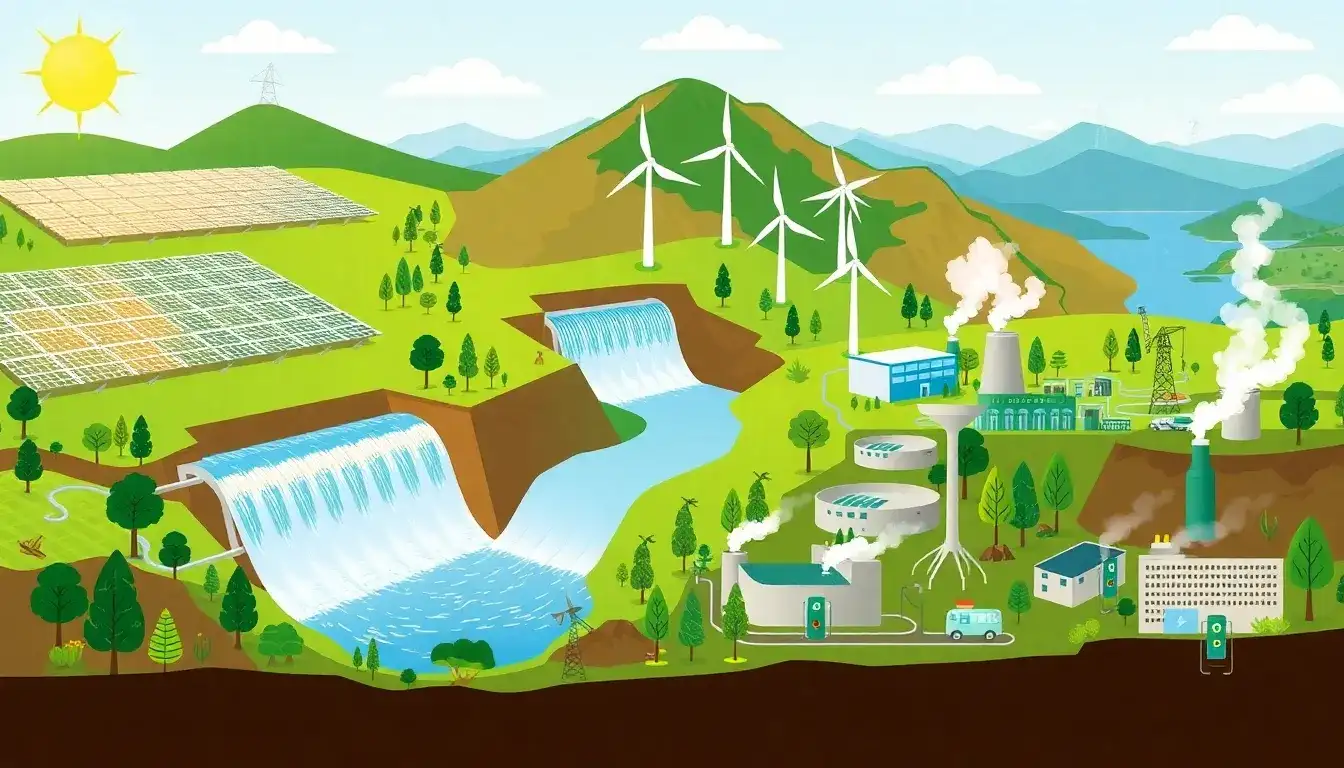
Green bonds are a financial instrument designed specifically to fund projects that have positive environmental impacts. In recent years, their popularity has surged as a means of financing renewable energy initiatives. The types of renewable energy projects most commonly funded by green bonds encompass a diverse range of technologies and applications, each contributing to sustainability and carbon reduction.
Common Renewable Energy Projects Funded by Green Bonds
1. Solar Energy Projects
Solar power generation is one of the most prevalent uses of funds raised through green bonds. These projects typically include the development and installation of solar panels for commercial, residential, and utility-scale purposes. For instance, Alliant Energy has issued green bonds specifically to fund solar generation projects, highlighting the role these bonds play in advancing solar energy infrastructure.
2. Wind Energy Projects
Wind power is another major focus area for green bond funding. Many issuers channel proceeds into the construction and enhancement of onshore and offshore wind farms. For example, Iberdrola’s green bond issuances have been directed towards funding projects like offshore wind farms, showcasing the significance of wind energy in the green bond market.
3. Hydroelectric Power
Hydroelectric projects, which harness the energy of flowing water to generate electricity, are also financed through green bonds. This includes the construction and refurbishment of dams and water turbines. Green bonds help support the infrastructure needed to facilitate energy generation from hydropower sources.
4. Energy Efficiency Initiatives
Beyond generating renewable energy, green bonds also fund energy efficiency projects aimed at reducing overall consumption. This can include retrofitting buildings with energy-efficient technologies, implementing systems to optimize energy use, and upgrading heating and cooling systems. Such initiatives contribute to lowering emissions and making existing infrastructure more sustainable.
5. Sustainable Transportation
Green bonds are increasingly being used to finance projects that aim to improve sustainable transportation options, such as electric vehicle charging stations and infrastructure for public transport systems that rely on renewable energy sources. These projects support the transition to cleaner modes of transport, which is vital for reducing greenhouse gas emissions.
6. Clean Waste Management
Projects focusing on responsible waste management, such as recycling facilities or waste-to-energy plants, are also eligible for funding through green bonds. This area of investment not only promotes sustainability but also aids in the reduction of landfill waste and enhances the circular economy.
Conclusion
The green bond market is a key mechanism for financing various renewable energy projects. With a growing emphasis on sustainability and climate action, investments through green bonds are expected to expand, further supporting the global transition towards cleaner energy systems. Through targeted funding for solar, wind, hydroelectric, energy efficiency, sustainable transportation, and waste management projects, green bonds are playing a crucial role in enabling significant advancements in environmental sustainability.
Original article by NenPower, If reposted, please credit the source: https://nenpower.com/blog/what-types-of-renewable-energy-projects-are-most-commonly-funded-by-green-bonds/

