

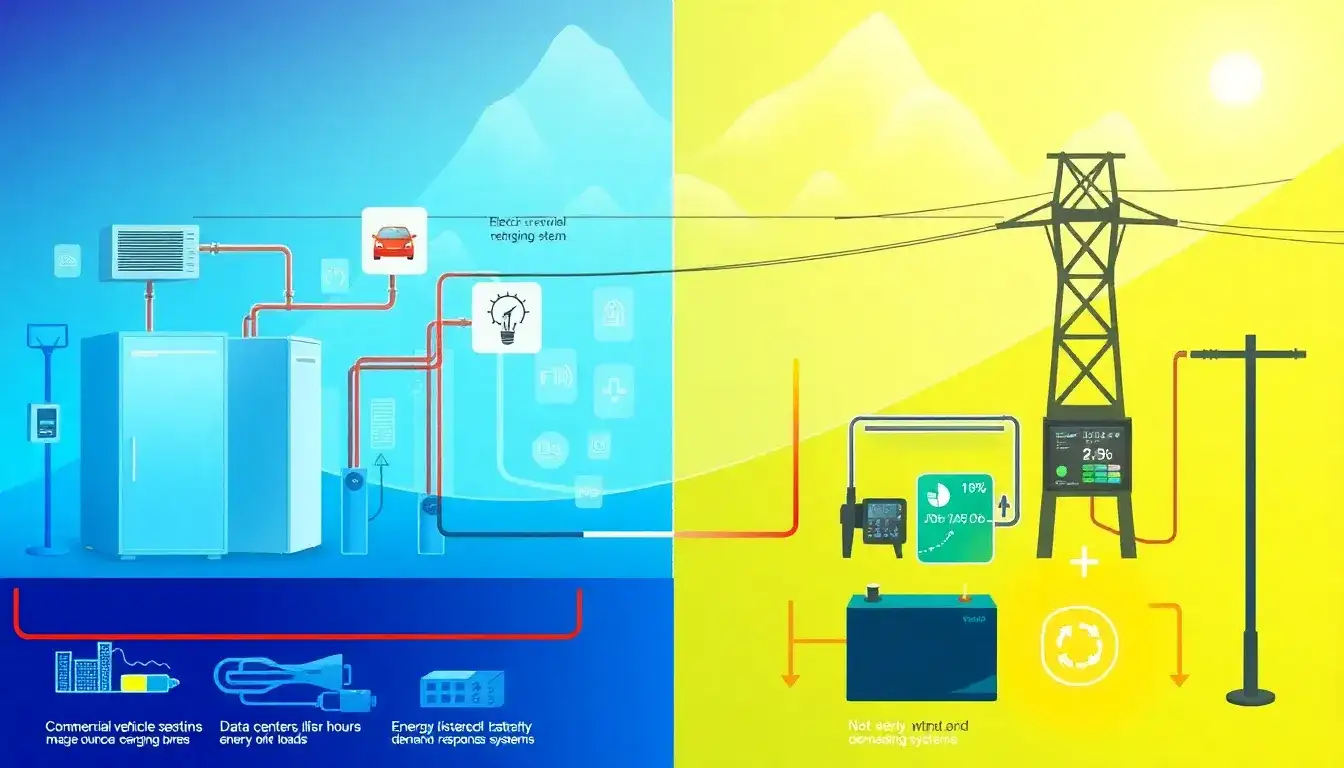
Loads most suitable for peak shaving typically include those with high power draw and some degree of flexibility in their operation. Here are some common examples:
- Electric Vehicle (EV) Charging Stations: These loads can be substantial, especially with fast charging infrastructure. By using battery energy storage systems, the power demand can be managed to avoid peak hours.
- HVAC Systems: Heating, ventilation, and air conditioning systems consume significant amounts of power, particularly in large commercial buildings. Their operation can be optimized to reduce energy usage during peak times.
- Industrial Processes: Continuous manufacturing operations often involve equipment that requires high power levels and can benefit from peak shaving by utilizing energy storage to meet peak demands without increasing grid usage.
- Energy-Intensive Appliances: Large appliances like water heaters, refrigeration units, or pool pumps can also benefit from peak shaving if their operation can be controlled or scheduled to avoid peak times.
These types of loads are prime candidates for peak shaving because they either have significant power demands during peak hours or can be controlled or shifted to some extent, thus allowing businesses to reduce demand charges and manage their energy costs more effectively.
Original article by NenPower, If reposted, please credit the source: https://nenpower.com/blog/what-types-of-loads-are-most-suitable-for-peak-shaving/

