

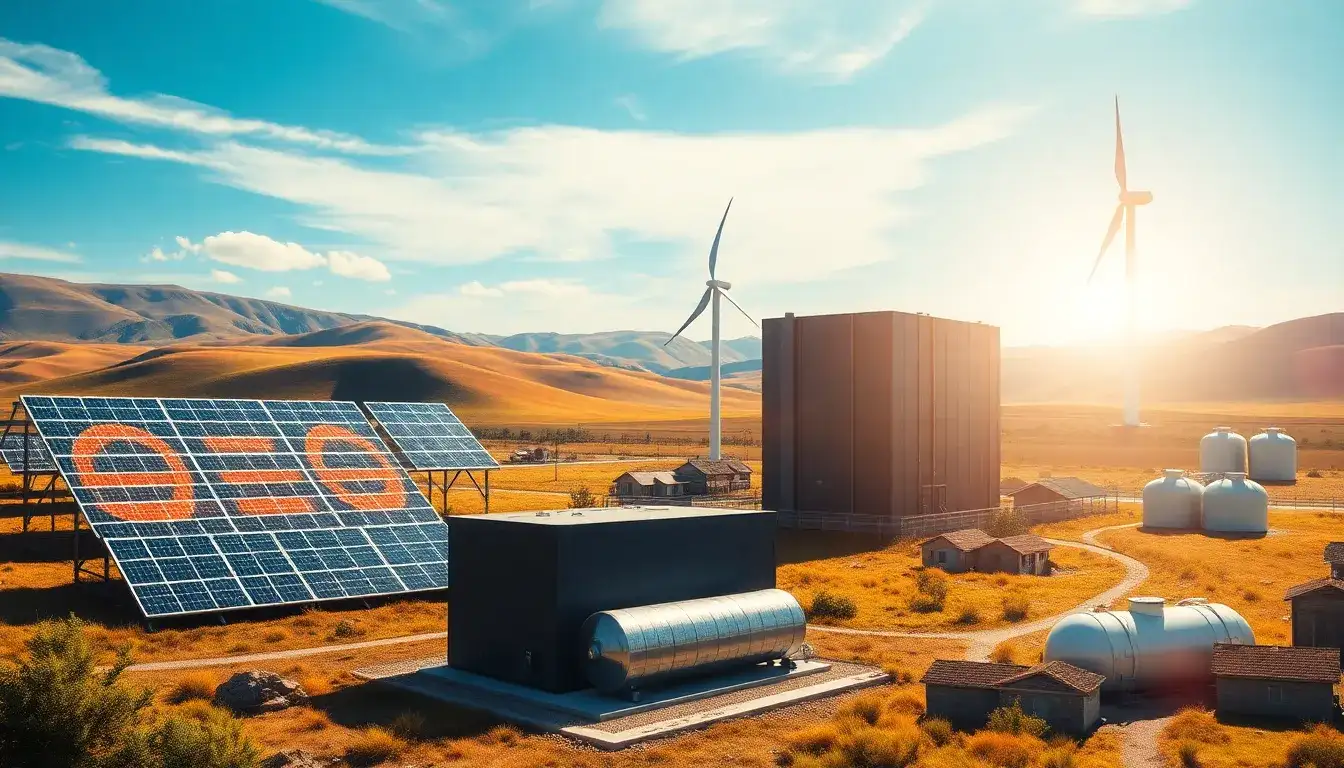
When it comes to remote communities, several types of energy storage systems can be effective, depending on the specific needs and circumstances of the area. Here are some of the most effective options:
Energy Storage Systems for Remote Communities
1. Battery Energy Storage Systems (BESS)
- Description: BESS are widely used to enhance energy reliability and resilience in remote communities. They store excess energy generated by renewable sources like solar and wind, providing power during times of low production or outages.
- Benefits: Reduces dependency on diesel generators, minimizes environmental impact, and offers silent operation. BESS can stabilize the grid, ensuring consistent voltage and frequency levels.
2. Microgrids
- Description: Microgrids are localized energy systems that integrate various distributed energy resources such as solar panels, wind turbines, and batteries. They can operate independently or in conjunction with the main power grid.
- Benefits: Provides reliable and sustainable power, enhancing socio-economic development. Microgrids can also reduce costs and dependence on centralized grid infrastructure.
3. Flow Batteries
- Description: Flow batteries are promising for large-scale energy storage, using electrolytic compounds for charging and discharging. They are ideal for tying into the grid due to their ability to store large amounts of energy.
- Benefits: Offers long-duration energy storage, making them suitable for remote communities with intermittent renewable energy sources.
4. Pumped Hydroelectric Storage and Compressed Air Energy Storage (CAES)
- Description: Pumped hydroelectric storage involves pumping water to an upper reservoir during low demand, while CAES involves compressing air for later expansion to generate electricity.
- Benefits: Both provide large-scale energy storage capabilities, though they require specific geographical conditions.
Practical Considerations
- Cost and Technology: The choice of energy storage system depends on initial investment, ongoing costs, and the suitability of the technology to the local environment and energy needs.
- Energy Source: Systems that can store excess energy from renewable sources (e.g., solar and wind) are particularly beneficial to reduce reliance on non-renewable fuels.
- Reliability and Maintenance: Solutions that offer stable power output, like BESS and microgrids, are crucial for maintaining continuous essential services in remote areas.
Original article by NenPower, If reposted, please credit the source: https://nenpower.com/blog/what-types-of-energy-storage-systems-are-most-effective-for-remote-communities/

