

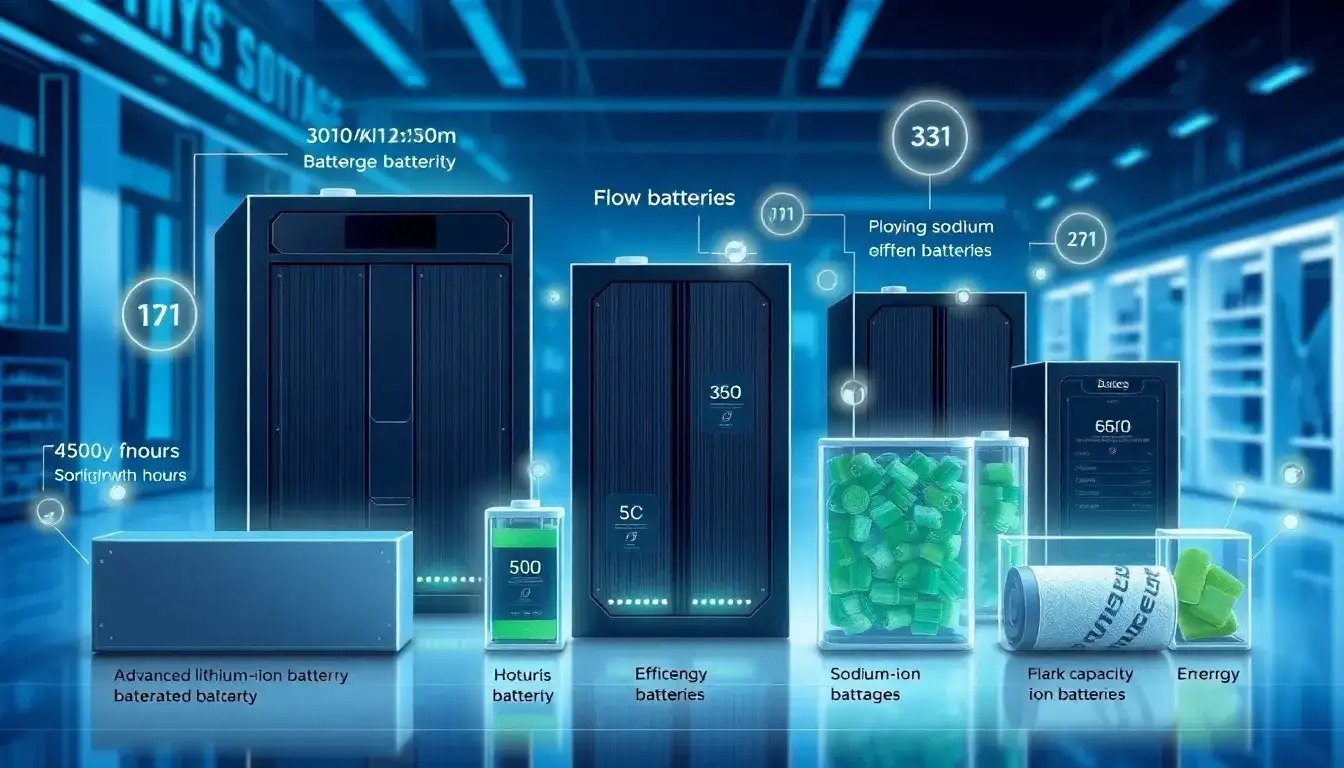
Battery storage technologies that meet the 3 kilowatt hour (kWh) capacity requirement include residential and commercial systems designed to provide backup power or optimize energy usage. These systems are typically composed of lithium-ion batteries, which are widely used for their high energy density and long cycle life. The capacity of these systems can range from small residential setups, often around 7-10 kWh, to larger systems in commercial applications.
Here are some key characteristics and types of battery storage technologies that exceed the 3 kWh requirement:
- Residential Battery Systems: These are commonly used for backup power during outages or for shifting energy use to off-peak hours. Systems like Tesla Powerwall or similar products from Panasonic can easily meet or exceed the 3 kWh threshold, typically starting around 10 kWh.
- Commercial and Industrial Systems: Larger-scale systems used for peak shaving, demand response, and backup power in commercial settings can have capacities ranging from tens to hundreds of kWh.
- Utility-Scale Systems: These are much larger, often used by utilities to stabilize the grid and manage large-scale energy storage. They can store megawatt-hours (MWh) of energy, significantly exceeding the 3 kWh requirement.
The Inflation Reduction Act expanded incentives for battery storage technologies, making standalone batteries eligible for the 30% Residential Clean Energy Credit as of 2023, provided they meet the 3 kWh capacity minimum.
Original article by NenPower, If reposted, please credit the source: https://nenpower.com/blog/what-types-of-battery-storage-technologies-meet-the-3-kilowatt-hour-capacity-requirement/

