

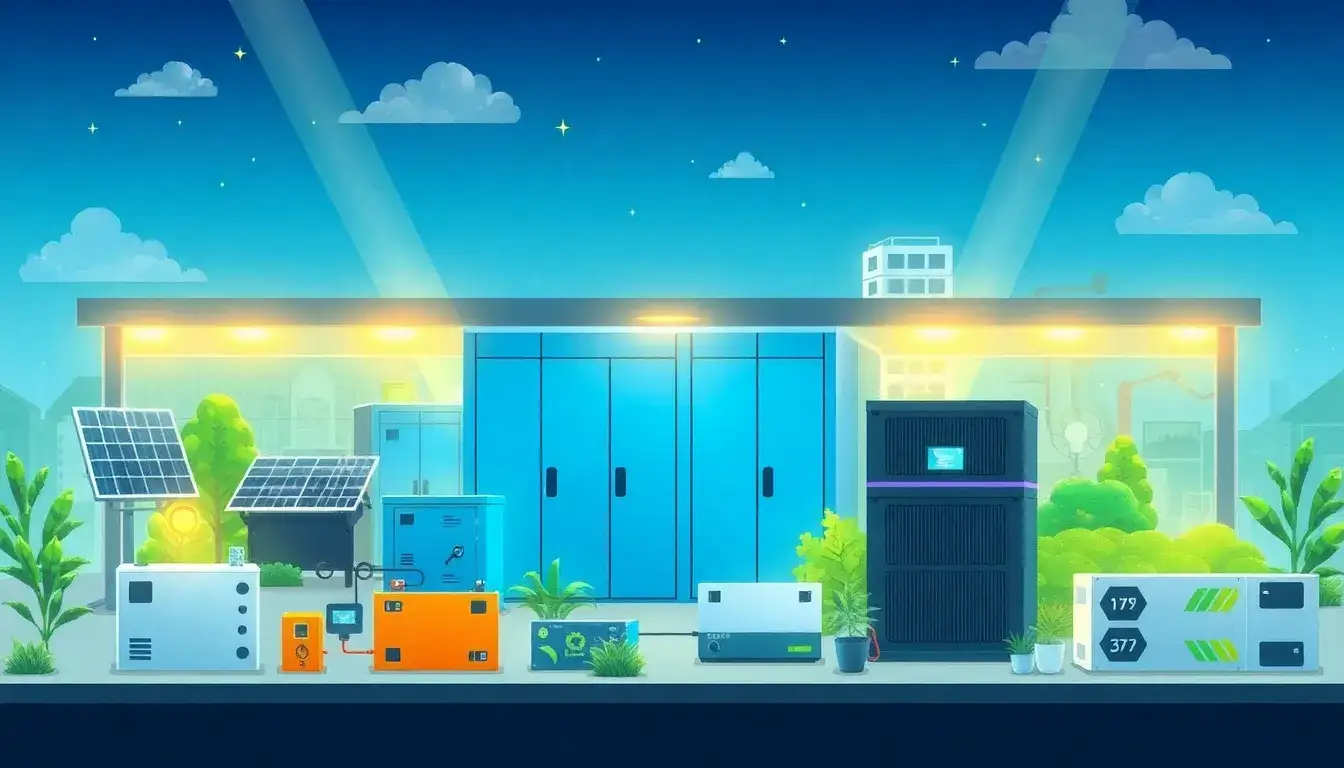
Qualified battery storage technologies for federal tax credits primarily include electrochemical battery systems meeting specific criteria:
- Lithium-ion batteries: The most common eligible technology, typically used in residential and commercial energy storage.
- Other rechargeable electrochemical batteries: Any battery system that “receives, stores, and discharges electricity” qualifies under IRS guidelines, provided it has ≥3 kWh capacity (residential).
- Thermal batteries and hydrogen fuel cells are also eligible under broader energy storage tax credits, though typically for commercial projects under different tax codes (Section 48 ITC).
Key eligibility requirements for residential systems (30% credit):
- Capacity: Minimum 3 kWh storage capacity.
- Installation: Must be in U.S. residences (principal or second homes, excluding rentals).
- Use: Systems must store energy for household consumption, not feed exclusively into the grid (commercial systems have separate rules).
The 30% Residential Clean Energy Credit applies through 2032 for qualified installations. Commercial systems follow different guidelines under Section 48 ITC, which includes thermal and hydrogen storage.
Original article by NenPower, If reposted, please credit the source: https://nenpower.com/blog/what-types-of-battery-storage-qualify-for-the-tax-credit/

