

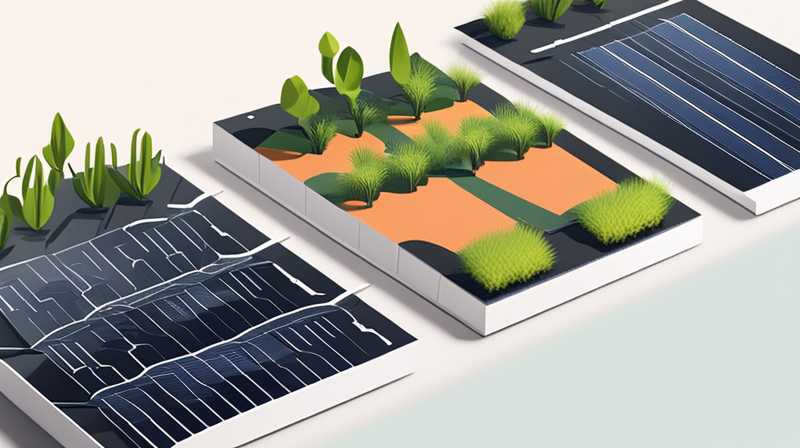
The optimal choices for planting beneath a solar field consider factors like shade tolerance, growth habits, and ecological benefits. 1. Native plants are advisable, as they adapt better to local conditions, 2. Low-growing species facilitate maintenance and reduce pricing issues, 3. Pollinator-friendly plants enhance biodiversity, and 4. Groundcover species control weeds and prevent soil erosion. Among these, native plants warrant special attention as they not only thrive under the reduced light conditions of solar arrays but also support local wildlife, thereby promoting a sustainable ecosystem.
1. NATIVE PLANT SELECTION
Selecting native plants should be prioritized when considering vegetation for environments under solar arrays. Native flora typically exhibit excellent adaptability, thriving in local soil conditions, and accommodating local climate variations. The choice of these plants contributes to ecological stability, fostering habitats for various wildlife species, including pollinators such as bees and butterflies. Moreover, native plants have evolved alongside other local species, contributing to a balanced ecosystem.
Choosing the right native species often entails diligent research, understanding factors like soil type, drainage capacity, and existing vegetation. Consult local agricultural extensions or environmental organizations to identify specific plants that flourish in your area. These plants typically require less maintenance compared to non-native varieties, leading to reduced watering and fertilization needs, thus lowering overall upkeep costs. Additionally, a diversified planting scheme can bolster resistance to pests and diseases, ensuring a healthier ecosystem beneath the solar panels.
2. LOW-GROWING SPECIES
Low-growing plants play an essential role in maximizing space while minimizing maintenance challenges. These species thrive in shaded conditions created by solar arrays, ensuring their survival without competing aggressively for sunlight. Options can range from various types of clover to creeping thyme, which provides ground coverage while resisting weed intrusion. Low-growing plants often require minimal intervention; they generally need less water and can survive in nutrient-poor soils while effectively controlling weed growth.
Incorporating an array of low-growing species increases the aesthetic appeal of solar fields, creating a visually pleasing landscape that can enhance public perception of solar projects. These plants can also provide essential habitat for ground-nesting birds and other small wildlife, contributing to local biodiversity. Their growth can help stabilize soil, preventing erosion and maintaining overall landscape integrity. Furthermore, the economic advantages of employing low-growing species reduce the need for regular mowing and maintenance, directly impacting operating costs.
3. POLLINATOR-FRIENDLY OPTIONS
Introducing pollinator-friendly plants beneath solar arrays contributes substantially to the surrounding environment. Many native flowering plants attract bees, butterflies, and other pollinators, playing a critical role in ecosystem health as these organisms facilitate the reproduction of various plant species. This interaction not only promotes biodiversity but also fortifies food sources for other wildlife.
Selecting plants that bloom at different times throughout the growing season provides continuous food sources for pollinators. More extended blooming periods increase the likelihood of sustaining pollinator populations across seasons. Examples of suitable plants include coneflowers, asters, and milkweed, which provide nectar and pollen. Additionally, employing different planting strategies, such as meadow-like arrangements, can enhance visual aesthetics while supporting biodiversity. Communities focused on enhancing their local environments can find great value in implementing these plants, which improves the ecological footprint of solar installations and fosters a more responsible interaction with nature.
4. GROUND COVER PLANTS
Utilizing ground cover species serves multifunctional purposes beyond mere aesthetics. Plants such as creeping phlox or ajuga not only add greenery but also partner with underlying soil to control erosion, maintain moisture, and suppress invasive weed growth. This natural cover influences the microclimate around root systems, ensuring soil integrity while enriching nutrient availability.
Moreover, ground cover plants form a dense mat that can protect roots from extreme temperatures, ensuring more consistent growth patterns. This helps mitigate the severe fluctuations that can affect plant health. With the establishment of a robust ground cover system, solar fields are less likely to experience degradation of soil quality, leading to long-term sustainability of the landscape. This proactive approach nurtures the ecosystem, promoting climate resilience while delivering functional benefits that ease management tasks.
FREQUENTLY ASKED QUESTIONS
WHAT TYPES OF PLANTS CAN WITHOUT SUNLIGHT?
Plants that thrive in low-light conditions encompass a variety of species, particularly those adapted to shaded environments. Common options include specific types of ferns, mosses, and hardy perennials. For example, ferns are known for their ability to flourish in dappled light or complete shade, making them ideal candidates for utilization beneath solar panels. Additionally, shade-tolerant flowers like violets and certain varieties of hostas can bring color and texture to such settings. The critical element in selection lies in focusing on species native to the area, allowing enhanced compatibility with local climatic and soil conditions. Many trees’ root systems may compete for nutrients and space below the solar arrays, so low-plant strategies are essential. Ultimately, the selection process prioritizes plants that not only endure diminished light but also contribute positively to ecosystem stability while enhancing biodiversity.
HOW CAN VEGETATION BENEATH SOLAR ARRAYS AFFECT MAINTENANCE COSTS?
The incorporation of plants beneath solar arrays can significantly influence maintenance costs. The correct plant selection directly impacts factors like mowing frequency, fertilizer needs, and pest management. Opting for native, low-growing plants can diminish the need for regular lawn care services, thereby cutting down labor expenses and utilizing fewer resources. Plants that exhibit pest resistance traits further reduce the necessity for herbicides or pesticides, promoting an environmentally friendly maintenance approach while also lowering costs.
Moreover, well-established vegetation assists in moisture retention within the soil profile, leading to reduced irrigation requirements. This conserves water while also ensuring the surrounding ecosystem remains healthy. The efforts focus not only on cost reduction but also on amplifying the solar facility’s overall value by integrating additional ecological benefits. Such a combination ultimately promotes resource conservation and emphasizes sustainable practices over time, creating synergistic relationships among the panels, plants, and the broader environment.
WHAT BENEFITS DO POLLINATOR FRIENDLY PLANTS OFFER IN SOLAR FIELDS?
Integrating pollinator-friendly plants beneath solar arrays supports local ecosystems, enhancing biodiversity and the overall health of the environment. These plants not only attract vital pollinators like bees and butterflies but also serve as food sources, contributing significantly to sustaining these species. Pollinators are essential for the reproduction of many flowering plants, promoting prolific growth that reciprocates within the ecosystem, benefiting the plants, and the wildlife that depend on them.
Additionally, the presence of pollinators allows for healthy interactions among various species, ensuring that the flora and fauna can flourish collaboratively. This balance creates a more resilient ecosystem beneath solar installations, reducing dependency on chemical pest management methods and fostering natural pest control mechanisms. During times of environmental stress, such as droughts, the strengthening of local biodiversity through pollinator-friendliness equips ecosystems with greater resilience. The adoption of such strategies within solar fields distinguishes stakeholders as environmentally conscious, instilling positive public relations while enhancing their project viability.
Engaging in an ecosystem-based approach to managing the land beneath solar fields serves multiple functions, creating a net positive impact on both the environment and economic aspects. Adopting native plants as foundational elements contributes significantly to sustainable land practices, which in turn reduce maintenance demands and bolster ecological balance. Low-growing species serve practical benefits by optimizing space while keeping operational costs in check. The promotion of pollinator-friendly options stimulates biodiversity, supporting vital species that facilitate plant reproduction. Ground cover plants not only enhance aesthetic appeal but also safeguard soil integrity, which is crucial for long-term sustainability. Consequently, the integration of flora beneath solar panels transcends aesthetic considerations, contributing broadly to developing resilient and functional ecosystems. Implementing these strategies collaboratively enhances agricultural productivity, broadening efficiency while creating fertile ground for both renewable energy and ecological sustainability. The incorporation of a well-researched planting scheme can ideally lead to enhanced public perception, community support, and a thriving habitat beneath solar fields. All aspects combined create a harmonious balance where technology and nature coexist, ideally crafting a path forward that embraces sustainable practices that yield positive outcomes for both the environment and society.
Original article by NenPower, If reposted, please credit the source: https://nenpower.com/blog/what-to-plant-under-a-solar-field/

