

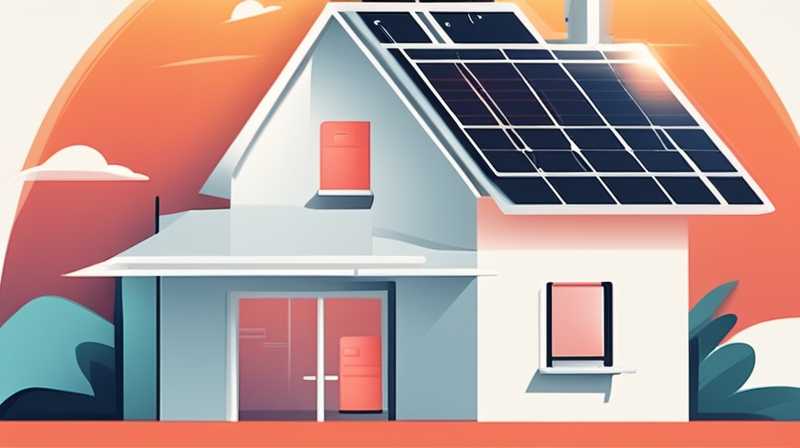
1. What technology does indoor solar energy use? The technology utilized for harnessing indoor solar energy primarily revolves around photovoltaic cells, concentrated solar power, and advanced energy storage systems. 1. Photovoltaic cells convert sunlight into electricity through a semiconductor material such as silicon. This sunlight absorption creates an electric current through the photovoltaic effect, allowing for efficient energy generation even in limited light conditions found indoors. 2. Concentrated solar power systems utilize reflective materials to focus sunlight onto a small area, generating heat and subsequently converting it into electricity. This approach, while traditionally used for outdoor applications, has promising adaptations for indoor use as well. 3. Energy storage technologies like batteries or supercapacitors are crucial for storing generated energy, ensuring a continuous supply even when external light is insufficient. These advancements signify a remarkable shift toward optimizing indoor energy efficiency through renewable sources, showcasing the potential to reduce reliance on conventional power systems significantly.
1. UNDERSTANDING PHOTOVOLTAIC CELLS
Photovoltaic cells stand at the forefront of indoor solar energy technology. The principle behind photovoltaic cells is rooted in the photoelectric effect, which occurs when sunlight interacts with semiconductor materials. Silicon is the most commonly used semiconductor, selected for its efficiency in converting light into electricity. In indoor environments, light sources such as fluorescent bulbs or LED lights may not provide the intensity of natural sunlight, but advancements in technology have made it possible for photovoltaic cells to operate effectively under these conditions.
The energy conversion process in photovoltaic cells involves several stages. When light photons strike the solar cell, they excite electrons in the silicon atoms, causing them to break free and create an electric current. This current flows through electrical circuits, powering devices directly or charging batteries for later use. An essential feature of modern photovoltaic cells is their ability to maintain efficiency under artificial lighting conditions, making them adaptable for residential and commercial spaces alike. The ongoing research in material science aims to enhance the performance and lowering the production costs of these cells, making them more accessible.
Despite their clear advantages, photovoltaic cells are not without drawbacks when implemented indoors. One challenge is their limited output under artificial lighting, which is often less potent than sunlight. To combat this issue, technologies such as multi-junction solar cells have been developed, allowing for increased efficiency by utilizing various layers of semiconductor materials designed to capture different frequencies of light. With encouragement from renewable energy initiatives and regulatory frameworks, the potential for handheld solar technology to penetrate indoor markets continues to grow, providing a promising outlook on energy generation.
2. CONCENTRATED SOLAR POWER
Concentrated solar power (CSP) techniques have gained traction in discussions surrounding renewable energy sources; however, their application indoors is relatively nascent. Traditionally reserved for expansive solar farms, CSP technology has recently started to find innovative use cases in domestic environments. CSP systems utilize mirrors or lenses to focus sunlight onto a small area, where it converts light into thermal energy, producing steam that can drive turbines for electricity generation.
The potential for employing this technology indoors presents exciting prospects. For instance, innovative designs involve using concentrated light to heat water within a compact setup, which can then be used for heating purposes or even electricity generation. Techniques like solar thermal collectors are employed to ensure efficient capture of the concentrated energy, enabling indoor environments to benefit from solar power. By integrating enhanced insulation and reflective surfaces, spaces can be optimized to maximize light capture, even if the direct sunlight is limited.
One of the significant advantages of CSP technology is its scalability; systems can be designed to fit diverse indoor settings. While there may be initial challenges related to space and heat management, ongoing research focuses on developing more compact and efficient systems suitable for indoor usage. Additionally, integrating CSP technology with existing HVAC systems offers a dual benefit of generating electricity while also providing sustainable heating solutions.
As the industry advances, new materials and innovations emerge, pushing the boundaries of what CSP can achieve indoors. Moreover, the integration of IoT technology with CSP systems promises improved monitoring and control over energy generation, ultimately leading to smarter, more energy-efficient buildings. Combining these advancements heralds possibilities that significantly innovate the ways we utilize solar energy within confined spaces.
3. ADVANCED ENERGY STORAGE SOLUTIONS
Energy storage solutions are paramount in optimizing the utility of indoor solar power systems. As photovoltaic cells and CSP technologies generate energy, it’s critical to have mechanisms in place that capture and store it for times when sunlight is sparse. Modern energy storage solutions include batteries, supercapacitors, and flywheels, each offering distinct advantages suited to various applications.
Lithium-ion batteries dominate the residential energy storage market due to their high energy density, efficiency, and decreasing costs. They serve as a crucial link between solar energy generation and consumption, enabling users to store energy produced during peak sunlight hours for later use. Additionally, advanced battery technologies, such as solid-state batteries, promise to further enhance safety and longevity compared to traditional batteries while reducing environmental impact.
In addition, supercapacitors offer rapid energy discharge and charge capabilities, making them ideal for applications that require immediate power response. While they do not store as much energy as batteries, they can complement battery systems effectively, providing bursts of energy for demanding appliances, reducing strain on grid connections, and enhancing overall system efficiency. Byte-level data and enhanced predictive algorithms enable supercapacitor setups to optimize charge/discharge cycles intelligently.
Flywheel energy storage systems represent another promising technology, particularly in spaces with high energy demands. These systems use kinetic energy to store power, enabling swift energy release with minimal loss. While still less common in residential applications, their potential for commercial spaces, especially in industries requiring high power surges, signifies exploring possibilities for indoor solar energy utilization. The ongoing evolution and cost reduction in storage technologies drive interest in sustainable energy solutions across various sectors.
Ultimately, the combination of solar generation and advanced storage technologies leads to significant strides toward energy independence and sustainability. As homeowners increasingly look toward solar solutions to mitigate energy costs, these advancements ensure that indoor solar energy can be captured, stored, and utilized efficiently, fitting seamlessly into modern lifestyles.
4. ENVIRONMENTAL IMPACT AND SUSTAINABILITY
Adopting indoor solar energy technologies offers an impressive opportunity to reduce environmental impact and promote sustainability in several dimensions. As global concerns about climate change escalate, the imperative for cleaner, renewable energy sources becomes clearer. Innovations in indoor solar applications directly contribute to this holistic transition by minimizing reliance on fossil fuels and enhancing energy efficiency in urban and suburban settings.
One of the most significant benefits of implementing indoor solar technologies is the reduction in overall carbon emissions. By harnessing sunlight—an abundant and renewable resource—individuals and businesses can offset the carbon footprint typically associated with conventional energy sources. Furthermore, incorporating photovoltaic systems in buildings can help meet decarbonization targets while promoting a circular economy through sustainable manufacturing practices.
Moreover, the design choices made while integrating indoor solar technology can lead to broader environmental sustainability outcomes. Using sustainable materials, reducing waste generation, and emphasizing recyclability are crucial considerations in this context. Developing systems that can adapt to changing environmental conditions and sourcing materials responsibly will ultimately minimize the ecological impact of the technologies themselves.
Public awareness plays a vital role in propelling the adoption of indoor solar energy technologies. As educational initiatives grow, the understanding of the benefits and potential applications of indoor systems increases. Engaging communities in this knowledge exchange not only fuels interest but also fosters collaboration that can drive innovation forward. Future studies must continue to explore the systemic advantages of integrating solar technologies in indoor design, ensuring the outcomes of such practices benefit the environment holistically.
Incorporating indoor solar technologies can significantly influence future urban planning and infrastructure development. As more communities pursue net-zero energy goals, the investment in solar solutions encompasses multiple benefits, altering how we consume and produce energy for the better. The commitment to sustainability through indoor solar energy can reshape how society interacts with its surroundings and the environment, culminating in a healthier planet for future generations.
FREQUENTLY ASKED QUESTIONS
WHAT ARE THE LIMITATIONS OF INDOOR SOLAR ENERGY SYSTEMS?
Indoor solar energy systems, while promising, possess several limitations that may hinder their widespread adoption. First and foremost, the effectiveness of photovoltaic cells and concentrated solar power technologies is closely linked to the availability of sunlight. Unlike outdoor solar installations, the artificial lighting used in myriad indoor contexts provides significantly less energy output. As a result, the efficiency of indoor solar technologies often diminishes, especially under low-light conditions.
Moreover, initial installation costs can be substantial, particularly when retrofitting existing buildings with indoor solar technologies. While prices for photovoltaic systems have fallen considerably over the years, potential users must still consider the complete costs involving installation, maintenance, and battery storage solutions. Additionally, the physical space available for setting up these technologies can vary. Compact urban environments may not always offer enough room for optimal solar configurations, further complicating installations. Lastly, local regulations and building codes can impact the feasibility of adopting indoor solar technology. Navigating these complexities requires careful planning and consideration to maximize the benefits of solar energy indoors.
HOW DO INDOOR SOLAR ENERGY SYSTEMS IMPACT ENERGY BILLS?
Indoor solar energy systems have the potential to significantly impact energy bills, primarily by reducing reliance on traditional electricity sources. When properly integrated, systems like photovoltaic panels allow homeowners and businesses to generate their own electricity, decreasing the need to purchase power from the grid. This translates into lower monthly energy costs, especially as demand for electricity fluctuates according to seasonal patterns. The actual savings depend on various factors including the system’s efficiency, energy consumption habits, and local electricity rates.
Furthermore, the connection between indoor solar technologies and energy storage solutions enhances overall financial benefits. By acquiring energy during low-cost times—such as during peak solar generation periods—and utilizing stored energy during higher-cost periods, users can optimize their consumption strategies to maximize savings. Additionally, many regions offer incentives in the form of rebates, tax credits, or net metering for those who embrace renewable energy sources. These initiatives contribute to decreased upfront expenses while fostering long-term savings on energy bills. Collectively, these dynamics result in significant striking cost reductions for users of indoor solar systems.
WHAT FUTURE TRENDS CAN BE EXPECTED IN INDOOR SOLAR ENERGY TECHNOLOGIES?
The trajectory of indoor solar energy technologies suggests several key trends likely to shape the future landscape. A significant advancement revolves around increased efficiency in solar cells, particularly through innovations in materials science. Research is focused on creating lightweight, flexible photovoltaic cells that can seamlessly integrate into various surfaces and structures, ultimately expanding indoor applicability. These advancements promise to enhance energy generation and utilization, allowing for new installations in unconventional settings.
Moreover, smart home technologies will increasingly interact with indoor solar energy systems, facilitating improved monitoring and control. With the introduction of AI and IoT capabilities, users will be able to track energy consumption patterns in real time, optimizing their systems for maximum efficiency. Additionally, the incorporation of decentralized energy microgrid systems can allow buildings to generate, store, and share energy locally. As a result, indoor environments will be empowered to operate more independently from the grid, fostering resilience against energy shortages and price spikes.
As demand for sustainable practices continues to grow, regulatory frameworks are anticipated to evolve in tandem, encouraging innovation in indoor solar technology and making renewable energy solutions more accessible. Continued research and collaboration among engineers, architects, and policymakers will play a crucial role in catalyzing momentum toward a robust indoor solar energy industry that inspires future generations.
Both the emergent technologies and the interest surrounding indoor solar energy speak volumes about societal aspirations toward sustainability and energy independence. Building momentum in this field not only emphasizes a collective commitment to safeguarding the environment but also lays the groundwork for future advancements that will redefine how we generate, utilize, and store energy in our daily lives, pushing boundaries, unlocking potential, and powering the future toward efficiency. By effectively harnessing the advancements in photovoltaic systems, concentrating solar power, and energy storage solutions, we can pave the way for a sustainable, prosperous energy landscape that caters comfortably to modern needs. If backed by solid efforts and constant innovation, indoor solar technologies can forge a pathway toward a cleaner, greener future, enriching both personal and environmental wellbeing significantly while revolutionizing the ways we consume energy.
Original article by NenPower, If reposted, please credit the source: https://nenpower.com/blog/what-technology-does-indoor-solar-energy-use/

