

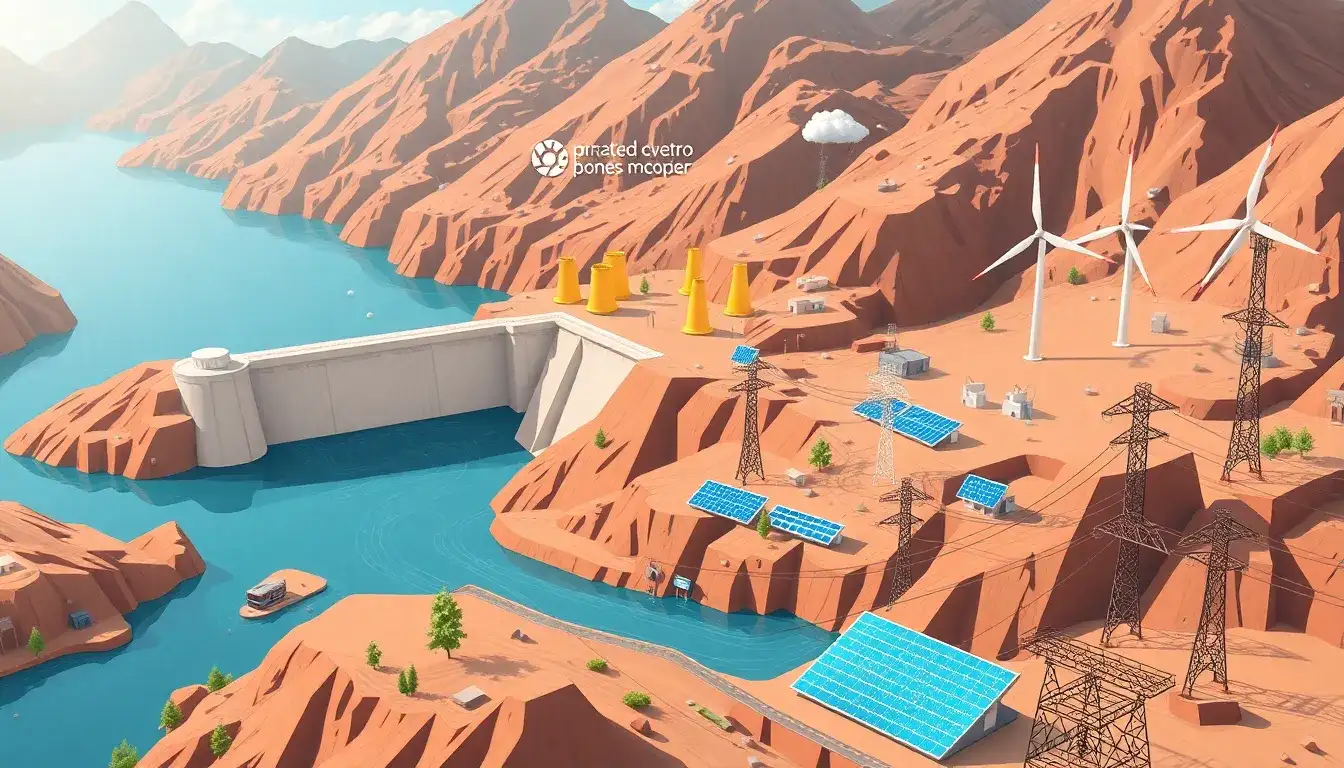
Integrating older pumped hydro storage systems with modern renewable energy sources presents several technical challenges rooted in the outdated design, operational framework, and market conditions for these facilities.
Key Technical Challenges
1. Limited Flexibility and Adaptability
Most existing pumped storage hydropower (PSH) plants were designed and built in the last century primarily to support baseload plants like nuclear power. These plants typically have fixed-speed pumps and turbines optimized for steady, predictable operation rather than the highly variable and intermittent output of modern renewable sources like wind and solar. As a result, older PSH systems often lack the flexibility to rapidly ramp up or down in response to short-term fluctuations in renewable generation, limiting their effectiveness in grid balancing and storage roles today.
2. Aging Equipment and Reduced Reliability
The performance and reliability of the mechanical and electrical components in older PSH facilities degrade over time. This deterioration impacts output capacity and operational safety. Without modernization—such as upgrading to variable-speed pump turbines and advanced control systems—these facilities struggle to provide the fast-response services needed to complement variable renewable energy (VRE).
3. Market and Revenue Uncertainty
The transition to deregulated electricity markets and increased penetration of variable renewable energy creates uncertainty in how pumped storage assets can recover costs and generate predictable revenue streams. The value of the flexibility and fast-response capability these storage plants provide is often not fully recognized or compensated in current market structures, undermining incentives to upgrade or maintain older plants.
4. Integration with Grid and Control Systems
Older PSH plants may have legacy control systems that are not compatible with modern, smart grid technologies. Integration with advanced energy management systems that coordinate renewable generation, storage, and demand response is essential but technically challenging. Upgrading communication, automation, and control infrastructure is necessary to enable seamless operation with variable renewable inputs.
5. Environmental and Geographical Constraints
While not purely technical, the environmental impacts and siting restrictions of pumped storage plants can complicate their integration and expansion. Older plants often face legacy environmental issues, such as river ecosystem disruption, and geographic limitations that hinder retrofits or expansions aimed at improving their role in renewable integration.
Opportunities for Overcoming Challenges
- Modernization Programs: Retrofitting older equipment with variable-speed pump-turbines and upgrading control systems can enhance flexibility and operational efficiency, making PSH more compatible with fluctuating renewable energy supply.
- Regulatory and Market Reforms: Adaptation of market mechanisms to recognize and reward the flexibility services PSH provides would improve their economic viability and justify investments in modernization.
- Enhanced Coordination: Early-stage integration of federal and state agencies and improved planning can streamline licensing and upgrade projects, addressing technical and regulatory challenges simultaneously.
Summary Table of Challenges vs Modern Needs
| Challenge | Older PSH Characteristics | Modern Renewable Integration Requirement |
|---|---|---|
| Flexibility | Fixed-speed, slow response | Variable-speed, rapid ramping |
| Equipment Condition | Aging, reduced reliability | High reliability, fast dynamic response |
| Market Participation | Limited market visibility for flexibility | Clear valuation and compensation for services |
| Grid Integration and Control | Legacy control and communication systems | Advanced, interoperable control and automation |
| Environmental and Geographical | Legacy environmental constraints | Environmentally sensitive, adaptable siting |
In conclusion, integrating older pumped hydro storage systems with modern renewable energy sources requires overcoming technical limitations related to flexibility, equipment aging, market design, and control systems, alongside addressing environmental and regulatory hurdles. Strategic modernization and market reforms are essential to unlock their full potential for supporting a renewable-heavy power grid.
Original article by NenPower, If reposted, please credit the source: https://nenpower.com/blog/what-technical-challenges-arise-from-integrating-older-pumped-hydro-storage-systems-with-modern-renewable-energy-sources/

