

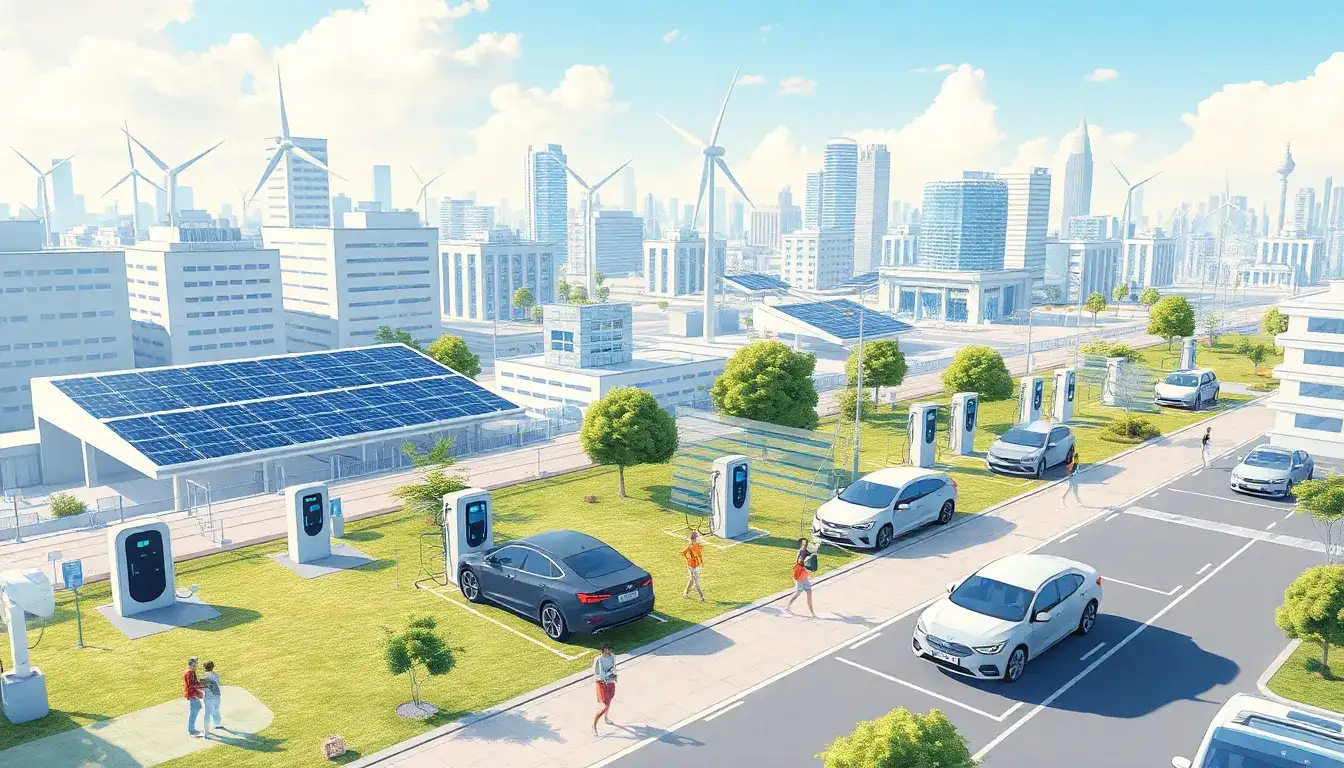
Minimizing the impact of electric vehicle (EV) charging on the grid can be achieved through several strategic approaches:
Strategies to Minimize Grid Impact
-
Smart Charger Functionality:
- Smart Charging: Utilize smart charging systems to manage the timing and rate of EV charging. This can help shift charging loads away from peak demand periods and reduce strain on the grid.
-
On-Site Renewable Energy and Energy Storage:
- Photovoltaic (PV) Generation: Implement on-site solar generation to provide a portion of the energy needed for charging, reducing reliance on the grid.
- On-Site Energy Storage: Use energy storage systems like batteries to store excess renewable energy for later use during peak demand periods.
-
Demand Charge Mitigation Strategies:
- Cap Energy Costs: Implement strategies to cap total energy costs for low-use charging stations or negotiate demand charge incentives with utilities.
- Optimize Charging Infrastructure: Use tools like EVI-EnSite to optimize charging infrastructure configurations and operations, ensuring efficient energy use.
-
Transmission and Grid Upgrades:
- Upgrade Infrastructure: Perform targeted upgrades of transmission lines and distribution systems to handle increased load from EV charging stations, particularly where high demand is concentrated.
-
Controlled Charging and Load Management:
- Adjust Charging Times: Encourage drivers to charge vehicles during off-peak hours through incentives or pricing strategies, reducing peak demand impacts.
-
Flexibility in Charging Demand:
- Flexible Charging Schedules: Identify and utilize flexibility in charging needs to support grid stability and mitigate peak demand challenges.
By combining these strategies, the negative impacts of EV charging on the electrical grid can be significantly reduced.
Original article by NenPower, If reposted, please credit the source: https://nenpower.com/blog/what-strategies-can-minimize-the-impact-of-ev-charging-on-the-grid/

