

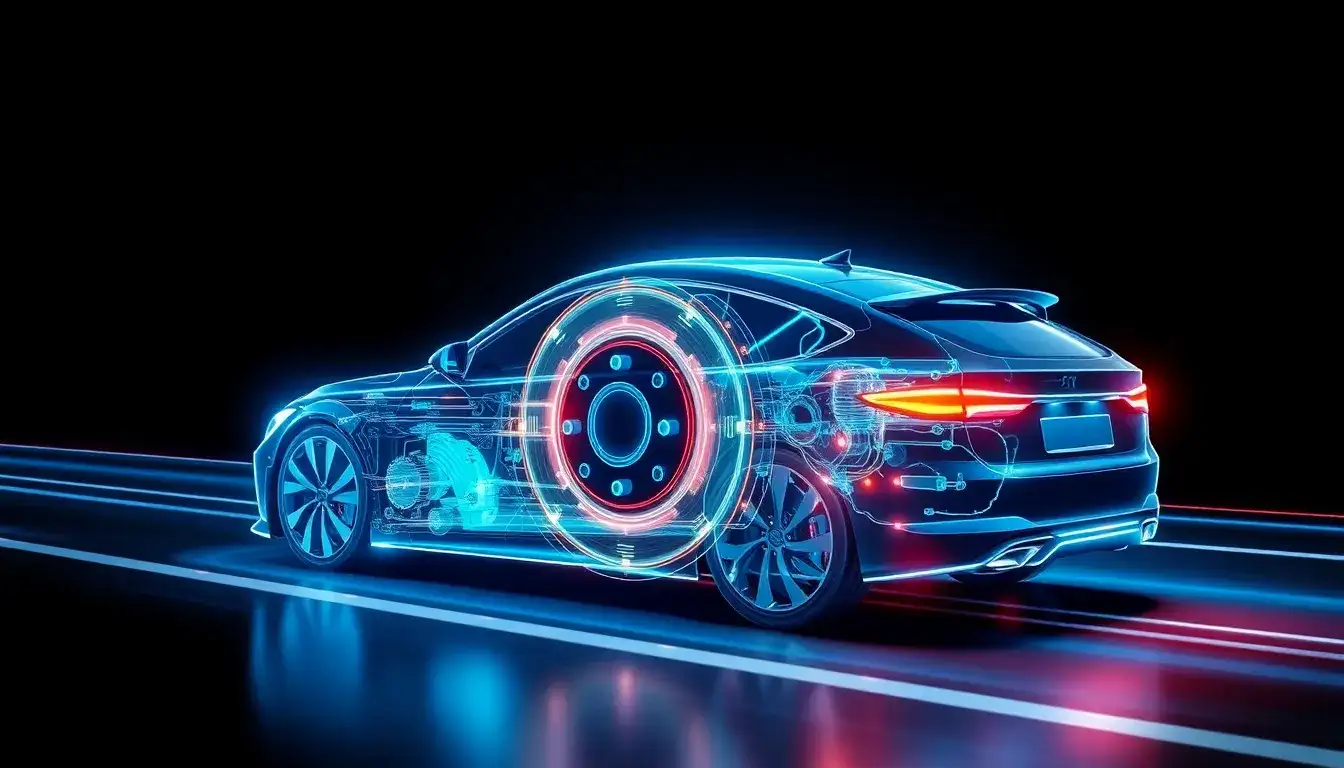
Hybrid Electric Vehicles (HEVs) and Braking Performance
Hybrid electric vehicles (HEVs) use multiple strategies to optimize braking performance, focusing on maximizing energy recovery, ensuring braking stability and comfort, and minimizing energy loss. The key approaches include:
Regenerative Braking and Energy Recovery Optimization
- HEVs use regenerative braking systems to convert kinetic energy into electrical energy during deceleration, which is stored in the battery for later use. Optimizing the energy recovery process is crucial to improving vehicle efficiency and extending driving range.
- Strategies incorporate models and algorithms such as game theory optimization, fuzzy control combined with metaheuristic algorithms (e.g., improved firefly algorithm), and data-driven approaches like BLSTM (Bidirectional Long Short-Term Memory) for adapting recovery based on driving styles and conditions.
- Optimization techniques focus on maximizing the proportion of regenerative braking torque, balancing energy efficiency with braking stability and driver comfort.
Brake Force Distribution Control
- Optimal distribution of braking force between the front and rear axles is implemented to maintain vehicle stability and ensure comfortable braking while maximizing energy regeneration.
- Approaches use brake force distribution strategies guided by regulations (e.g., ECE regulations) and stability curves (I curve, f-line, r-line) to achieve safety and performance targets.
Control Algorithms and Energy Management Strategies
- Advanced braking control systems integrate predictive and adaptive algorithms to coordinate regenerative braking and friction braking, improving energy management and minimizing losses.
- Model predictive control and optimization-based strategies coordinate multiple braking sources (electric motor and mechanical brakes) for seamless transition and effective torque distribution.
- Novel optimization algorithms like the Seagull Optimization Algorithm have been applied to improve dual motor torque distribution in electric and hybrid vehicles, enhancing braking performance and energy utilization.
Multi-Objective Optimization
- Strategies weigh factors such as braking economy (energy recovery), braking stability (vehicle control), and comfort, often employing multi-objective optimization frameworks to achieve the best overall performance.
- The use of game theory models helps balance these competing objectives by dynamically adjusting braking force allocation and regenerative braking levels.
In summary, optimizing braking performance in hybrid electric vehicles involves a combination of regenerative braking enhancements, precise brake force distribution, adaptive control algorithms, and multi-objective optimization to improve energy recovery, stability, and comfort simultaneously. These strategies contribute to extending driving range, meeting safety standards, and promoting sustainable vehicle operation.
Original article by NenPower, If reposted, please credit the source: https://nenpower.com/blog/what-strategies-are-used-to-optimize-braking-performance-in-hybrid-electric-vehicles/

