

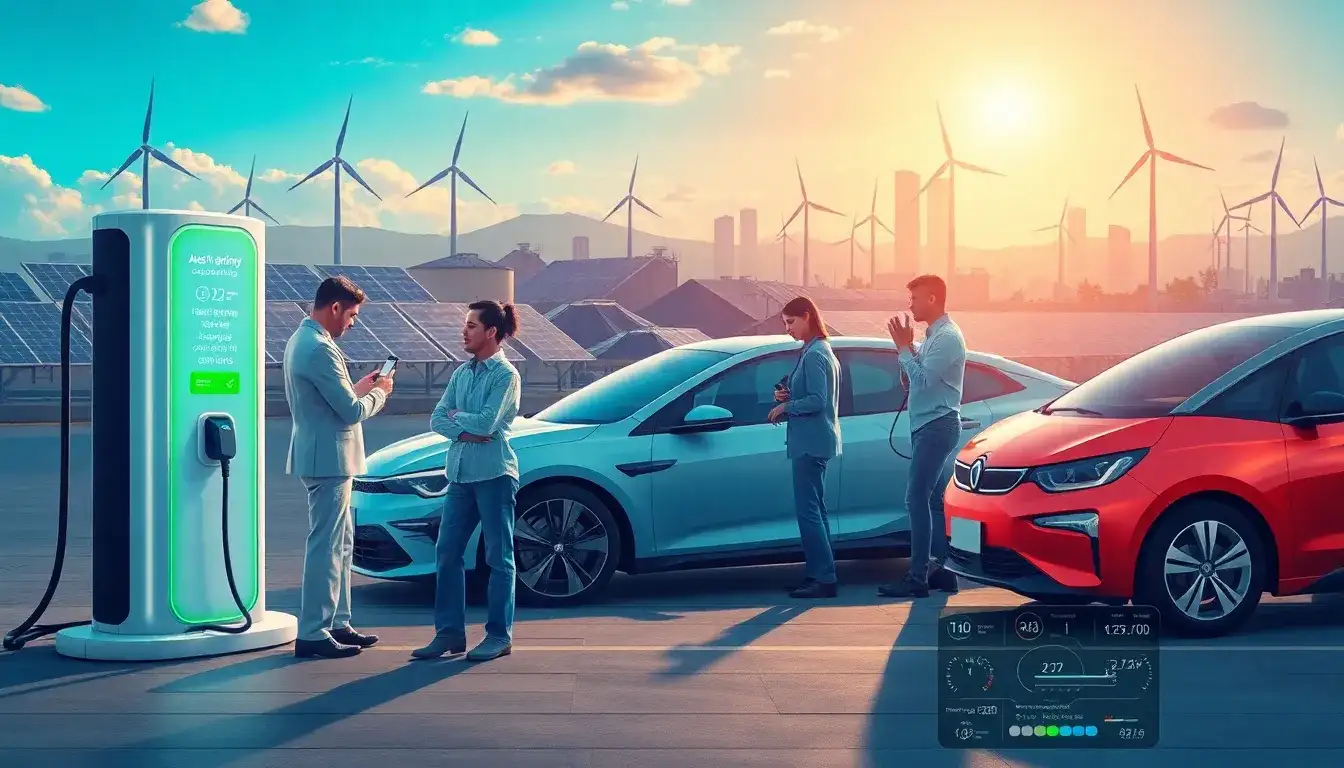
EV drivers can take several practical steps to avoid charging problems and ensure their electric vehicle (EV) remains reliable and efficient:
Preventative and Maintenance Measures
- Regular Maintenance and Software Updates: Regularly inspect and maintain your charging equipment and vehicle. Keep your vehicle’s software updated, as manufacturers release important fixes and improvements that affect charging and battery management.
- Use Quality Charging Equipment: Invest in high-quality, manufacturer-recommended charging cables and stations. Avoid using cheap or incompatible chargers that may cause issues.
- Professional Installation and Testing: Have your home charging equipment installed and periodically tested by licensed, experienced electricians to ensure proper function and safety. This reduces the risk of electrical hazards and charging inefficiencies.
- Check Power Supply and Electrical Panel: Ensure your home charging outlet or station delivers the correct voltage and current. Regularly inspect your electrical panel and breakers to prevent inadequate power supply problems.
- Monitor Environmental Conditions: Charge your EV in moderate or temperature-controlled environments. Extreme hot or cold temperatures can adversely affect charging performance and battery health. Use features like battery preconditioning before charging to warm the battery for faster and safer charge sessions, especially in cold weather.
Charging Habits for Battery Health and Convenience
- Keep Battery Charge Between 20% and 80%: Avoid driving the battery down to empty or charging to 100% too often, as this can reduce long-term battery health.
- Precondition the Cabin While Plugged In: Use your EV’s app or infotainment system to heat or cool the cabin when plugged in, minimizing battery energy use for climate control when driving.
- Start Charging Before Battery Is Critically Low: Don’t wait until the battery is nearly empty to charge. Doing so reduces range anxiety and helps prevent situations where charging stations could be unavailable or malfunctioning.
- Charge at Home When Possible: Installing a Level 2 home charger provides reliable overnight charging at a lower cost compared to public stations. This is especially beneficial if your utility offers lower off-peak electricity rates.
Troubleshooting Common Problems
- If charging fails, check for issues related to the Battery Management System (BMS), which monitors battery health; if faulty, a professional diagnostic is needed.
- Verify charger compatibility and that the charging station hardware is functioning correctly, especially when using public chargers.
- If problems persist, consult your vehicle manufacturer’s customer support or visit a certified service center for professional help.
By following these recommendations, EV drivers can avoid common charging problems, maintain battery health, ensure safe and efficient charging, and optimize their vehicle’s performance and longevity.
Original article by NenPower, If reposted, please credit the source: https://nenpower.com/blog/what-steps-can-ev-drivers-take-to-avoid-charging-problems/

